The European aviation sector is facing an unprecedented energy crisis as industry leaders warn that systemic jet fuel shortages could become a reality in exactly three weeks.
In a high-stakes letter addressed to EU officials, Airports Council International (ACI) Europe reported that dwindling reserves across the continent have reached a critical tipping point. The group emphasized that unless trade flows through the Strait of Hormuz are immediately and stably restored, the bloc’s transportation infrastructure will suffer significant operational disruptions by early May. The current supply squeeze stems from the military activity and subsequent blockade in the Middle East, which has effectively halted a key shipping route responsible for roughly 40% of Europe’s jet fuel imports.
While crude oil can occasionally be diverted via pipelines, refined petroleum products like kerosene lack similar alternative pathways, leaving the European Union particularly vulnerable. The International Energy Agency (IEA) noted that while the region has attempted to source replacement cargoes from the United States and Africa, these efforts have only offset roughly 50% of the lost Gulf supply. Market analysts indicate that inventory levels in the Amsterdam-Rotterdam-Antwerp (ARA) hub have plummeted to a three-year low, with some nations holding as little as 20 days of fuel cover.
This inventory drawdown is occurring just as the industry prepares for the peak summer season, a period when air travel typically underpins the tourism ecosystems of many EU economies. Industry experts warn that without a swift resolution, airlines will be forced to implement aggressive rationing, prioritize long-haul flights, and potentially cancel less popular leisure routes. The economic fallout is already visible as benchmark fuel prices in Northwest Europe have soared to record highs, surpassing $1,500 per tonne.
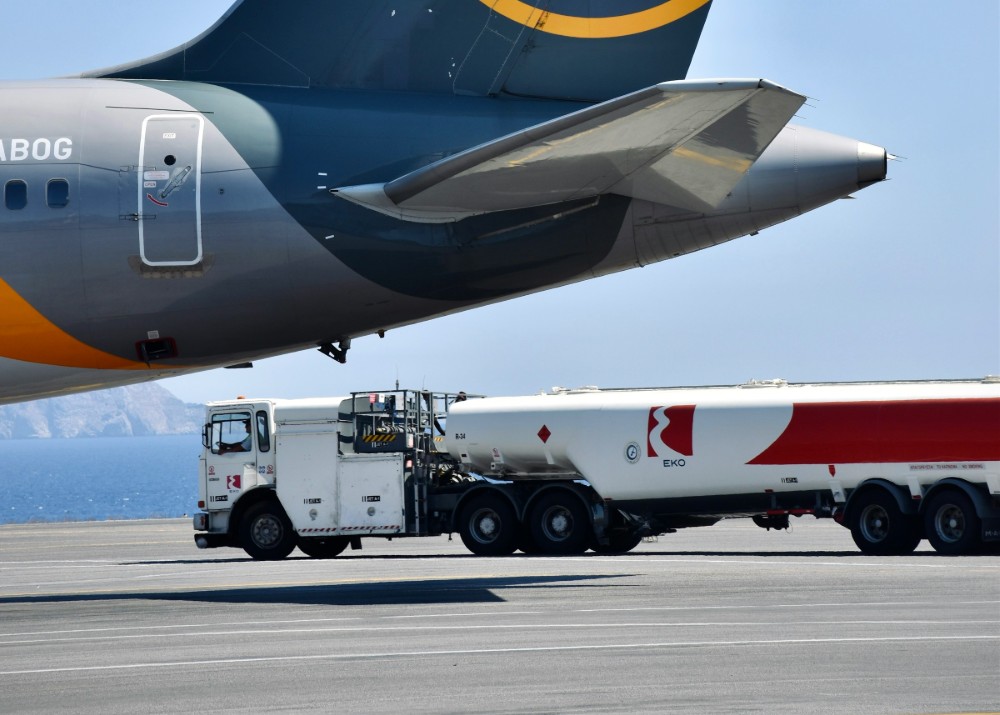
Airlines for Europe (A4E), representing major carriers like Lufthansa and Air France-KLM, has petitioned the European Commission for regulatory flexibility, including the temporary lifting of import restrictions and the use of Jet A fuel standards. Furthermore, carrier groups are calling for targeted refinery obligations to ensure that remaining domestic production is prioritized for the aviation sector rather than being diverted to other distillate markets. At the local level, the fuel crunch has already begun to impact regional hubs. Several Italian airports have issued notices to pilots to arrive with extra fuel reserves to avoid drawing from local tanks, a practice known as tankering.
While this strategy offers a short-term operational cushion, it increases aircraft weight and fuel consumption, further exacerbating the environmental and financial costs of the crisis. Aviation economists predict that these mounting expenses will inevitably lead to a sharp rise in ticket prices for consumers. As the three-week countdown begins, the European Commission is under intense pressure to unveil a holistic energy package on April 22.
While some officials have attempted to temper public alarm, the airport lobby maintains that the lack of EU-wide monitoring for fuel availability has left the bloc flying blind. The International Monetary Fund (IMF) has cautioned that even if a ceasefire holds, the return to a stable status quo for global supply chains will likely take months, leaving European travellers facing a summer of uncertainty.