

A Birmingham ophthalmologist is calling for more awareness of a condition often dubbed the ‘silent thief of sight’.
Mr Velota Sung, glaucoma consultant ophthalmologist from sight-saving eye clinic Newmedica Birmingham, is highlighting the dangers of going blind from glaucoma – one of the largest causes of sight loss in the world – due to its gradual onset. The condition usually occurs when naturally occurring fluid inside the eye does not drain properly, leading to a build-up of pressure.
This can then cause damage to the optic nerve and nerve fibres from the retina, in most cases without any symptoms. But although the condition cannot be reversed, it can be managed – so early detection is key.
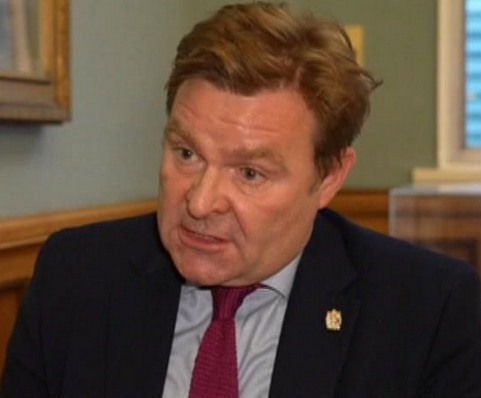
New analysis suggests more than 1.1 million people in the UK currently have glaucoma and this could rise to about 1.6 million by 2060 due to an ageing population and demographic shifts. Speaking during Glaucoma Awareness Month, Mr Sung (pic) said: “There are several factors that can increase your risk of developing glaucoma, such as a family history of the disease.
“Other risk factors would include those who have Black-African or Asian heritage, as well as those who have higher levels of short sightedness. Of course, age also needs to be considered, because two in every 100 people over the age of 40 are affected with the condition.
“Many people don’t realise there is anything wrong with their sight in the early stages, which is why regular eye tests are essential because it can generally be treated effectively if detected early and, in most cases, daily eye drops can halt the deterioration. When symptoms do appear, they can include blind spots in your peripheral vision, halos around lights, and blurred vision, leading to difficulties completing everyday tasks.”
Newmedica Birmingham is owned and led by consultant ophthalmologists Mr Sai Kolli, Mr Aaron Ng, Mr Ash Sharma and Mr Sung, alongside operations partner Rachel Hill. The clinic provides care for NHS and private patients, while also assisting the NHS in reducing its waiting lists.
Mr Sung added: “With glaucoma and other eye conditions, we always ensure the needs of the patient are at the heart of the plan we put in place.
“Alongside daily eye drops, we also offer other methods of glaucoma treatment, including Selective Laser Trabeculoplastyresults of which typically last for around three to four years before a patient requires further treatment. We can also undertake Minimally Invasive Glaucoma Surgery, which is a particularly effective solution when a patient also has another eye condition such as cataracts, because both procedures can be undertaken at the same time.”