
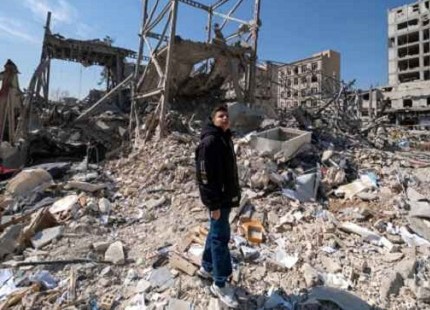
The "intensifying conflict" in the Middle East reached a critical flashpoint today following Iranian drone strikes on a fuel storage facility at Kuwait International Airport.
The resulting fire has forced the "temporary suspension" of all commercial flights into the northern Gulf, with carriers like Emirates and Qatar Airways "diverting arrivals" to nearby hubs. This "direct targeting of aviation infrastructure" has sent "shockwaves through the global market," leading to an immediate spike in jet fuel prices that is already impacting international airfares.
United Airlines announced today that it is "halving its capacity" on several "high-risk corridors" and doubling its "emergency fuel surcharge" for transpacific and transatlantic routes. The Strait of Hormuz crisis has also forced "maritime travel" into a state of "high alert," with QatarEnergy reporting a hit on one of its tankers today.
The United Kingdom is reportedly hosting an "emergency summit" with 40 countries to discuss "maritime reopening," but for now, the "geopolitical volatility" is the primary driver of travel logistics. These "ripple effects" are manifesting as "extended flight times" of up to three hours as pilots navigate around "contested airspace."
Cathay Pacific has already implemented a 34% fuel surcharge increase, and other major carriers are expected to follow suit by the weekend. Travelers with connections through the Gulf Cooperation Council (GCC) countries are seeing "unprecedented cancellations," with regional hotel RevPAR (revenue per available room) plummeting by nearly 68% this week.
Despite the "daunting volume of cancellations," travel advisors are noting that "spring break trips" to the Caribbean and Mexico remain largely unaffected. However, the "New Worldwide Travel Alert" issued today encourages all travellers to enrol in the Smart Traveler Enrolment Program (STEP) and to "review their insurance policies" for war-related exclusions.
The "cost of mobility" is being "redrawn in real-time" as the industry grapples with the most "significant disruption" since the global pandemic.