

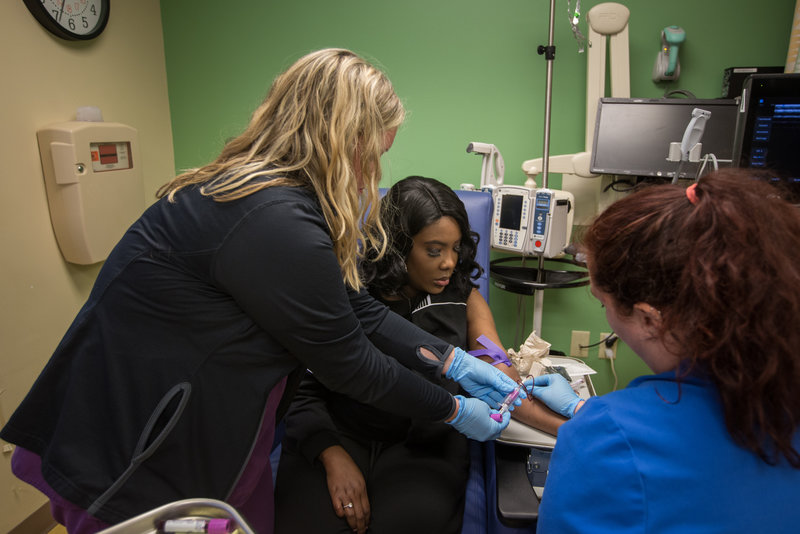
Sickle cell patients have begun receiving the first new treatment for the blood disorder in over 20 years. The inherited condition can cause severe pain and organ failure, often requiring hospital admissions.
Crizanlizumab is given as a monthly infusion and is thought to cut visits to A&E by 40%. Sickle cell disease causes red blood cells to distort and become sticky, blocking vessels and restricting oxygen supply, which triggers excruciating pain.
Crizanlizumab, a monoclonal antibody, binds to a protein on blood cells, preventing them from clumping. Sickle cell mostly affects Black people and uring a crisis, patients often need powerful opioid painkillers - but many people have faced suspicion when at A&E.
A report from MPs last year found serious failings in sickle cell care with some evidence of discrimination against patients.
Dr Shivan Pancham, a consultant haematologist at Birmingham City Hospital, said: "Our patients often find the experience in emergency departments challenging with a lack of understanding of the severity of pain. It is hoped with these new therapies if we reduce the likelihood of attending emergency departments, ultimately this will be much better for the patients."
Ten specialist treatment centres have been set up across England which doctors hope will improve outcomes for sickle cell patients. Each vial of the drug costs £1,000 but NHS England has negotiated a confidential discount and hopes to treat up to 5,000 patients over the next three years.
NHS director of health inequalities, Dr Bola Owolabi, who also works as a GP in the Midlands, said: "It's fantastic that our first NHS patients have been given this ground-breaking and historic new treatment for sickle cell disease - the first in over two decades. This revolutionary treatment will allow patients to have a better quality of life, reduce trips to A&E by almost half and ultimately help to save lives."
Kye Gbagbo, chair of the Sickle Cell Society, said: "We are delighted to see the first sickle cell patients are now getting access to this life-changing new treatment.
"We encourage others that are eligible to do similar. Sickle cell crises cause extreme pain and are a huge disruption to daily life. We hope that this new treatment will bring a new lease of life to many living with sickle cell."
Sickle cell is inherited from both parents, who pass on a particular gene. It is possible to carry the gene without having the disease and nearly 300 babies are born with it each year in the UK.
A simple blood test will show whether someone has it, while children with sickle cell are at greater risk of a stroke.
Other symptoms can include serious infections, anaemia and tiredness.