Colors: Blue Color

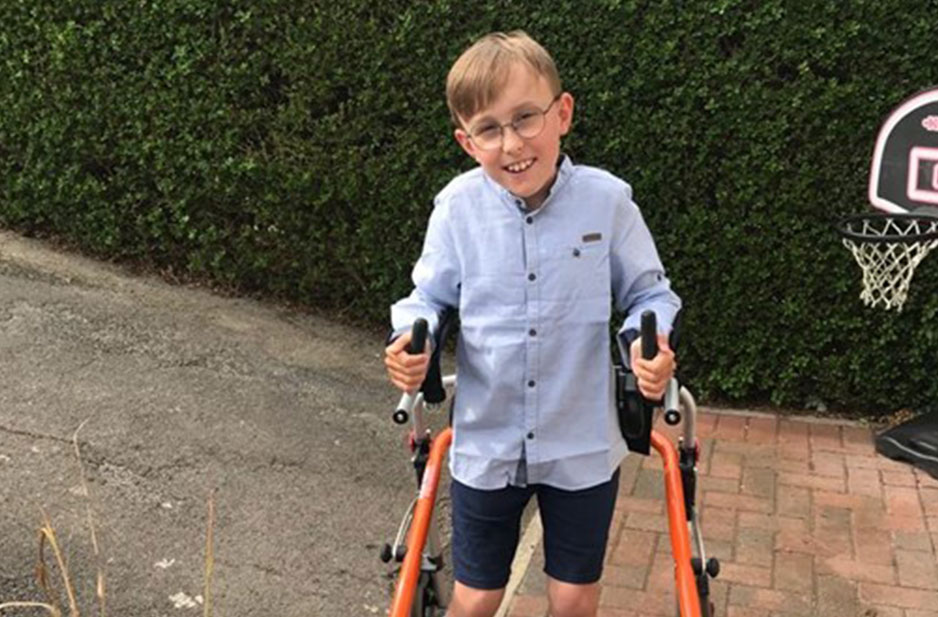
Following the record-breaking efforts of Captain Sir Tom Moore, a nine-year-old boy who has cerebral palsy was inspired to follow suit by walking the distance of a marathon in his street.

The Sheffield-born school boy used a walking frame to walk about 50 metres a day having originally planned to complete I kilometre in his local park to raise money for charity,.

Instead, Tobias, who is also autistic and cannot stand or walk unaided walked 750m per day until he completed the 26-mile challenge.

Saying that heard about Captain Tom and that he wanted to raise £10,000 by doing what he described as a “ginormous challenge”, he raised a staggering target sum – and still counting – for his two favourite charities; Sheffield Children’s Hospital where he attends for regular treatment and Paces School, where he attends for conductive education, which emphasises on developing the children so that they can achieve as much independence as possible by following physiotherapy programmes as well as being educated at the same time.

His proud mother, Ruth, said: “When Tobias heard about Captain Tom’s challenge, he felt a kinship with him and decided to replace his sponsored walk with a marathon attempt instead.

He started on March 21, which was pretty much the time when the lockdown started and looked to finish by the end of May.

“Tobias”, she added, “is just thrilled at the response that he has got – and still getting”.

The plucky young boy wants to raise money towards the ‘A New Home for Paces’ to provide a new school with improved facilities.

Scientific advisors to the UK government have warned of the risk of lifting the lockdown rules in England, as the UK begin the final weekend before rules change.

Professor John Edmunds said that it was a “political decision” to ease measures; Sir Jeremy Farrer said that the NHS test and tracking system should be “fully working”.

From Monday, schools will be reopened and up to six people will be able to meet in England, with other nations also easing their measures.

The government have said that it had followed the data and evidence at all times.

Sir Jeremy, director of the Wellcome Trust and a member of Saga (the Scientific Advisory Group for Emergencies), said in a Tweet that Covid-19 is “spreading too fast to lift lockdown in England” and that NHS test and trace “has to be fully working and infection rates have to be lower”.

Sage has published of its confidential meetings which include minutes of 34 sessions, going back to January 22 and a series of scientific reports.

They show one Sage meeting, on April 23, which estimated that there would be only 1,000 cases per day by mid-May.

Instead, estimates by the Office for National Statistics suggest that there are currently 8,000 cases per day in England alone. Those figures do not include cases in care homes or hospitals.

Wolverhampton Art Gallery has used its collections to create a digital exhibition while closed during lockdown.

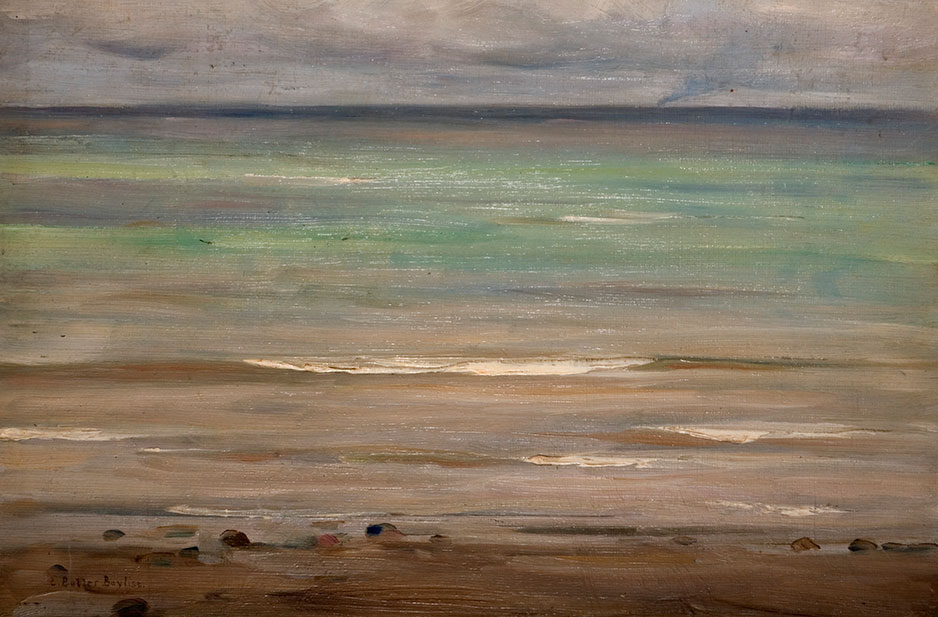
To the Sea, inspired by travel, showcases a selection of paintings and seascapes, including works by Edwin Butler Bayliss and Bilston-born painter William Harold Dudley that will help you escape to the coast – virtually.

Dudley’s art developed at a time when the influence of French Impressionism, the Newlyn School of artists, and the plein air technique of working outside drew many painters to the ocean.

He made regular visits to Polperro, Cornwall; depicting the village and coastline in a celebrated series that formed part of the original collection at Bilston Gallery. Previously exhibited in ‘Under Open Skies: The Life and Art of William Harold Dudley 1890-1949’, this display showcases Dudley’s art once more, alongside rarely-seen works from Wolverhampton Art Gallery’s permanent collection.

Also, on display are oils and sketches from Bayliss that reveal an alternative side to “Poet Painter of the Black Country”, as well as maritime studies by the renowned Cornish painter Alfred Wallis and Vorticist artist Edward Wadsworth.

City of Wolverhampton Council Cabinet Member for City Economy, Councillor Harman Banger, said: “We understand that art is an escape for most so I am glad to see that we are working in a new way to ensure our collection is still reaching those who have an interest in art.

“We recognise our visitors are missing our cultural venues but we hope that through our digital platforms we can still inspire people and make art accessible.
“Over recent months many of us have had to change our holiday plans, so we hope this selection of artwork will help people escape to the coast – virtually at least.”

To view the collection visit: www.wolverhamptonart.org.uk/tothesea.
 

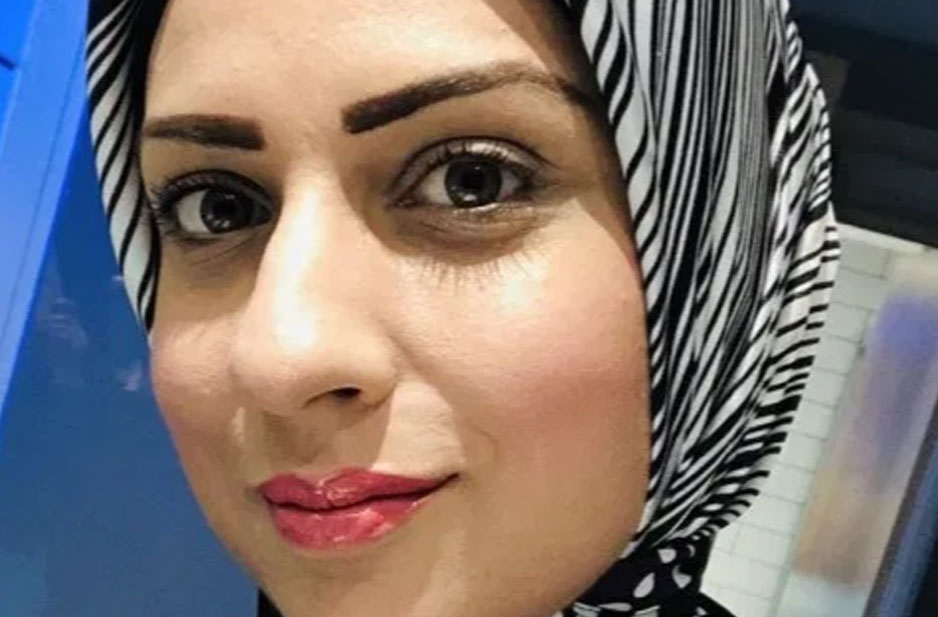
A woman who is the first to wear a hijab whilst sitting as a deputy district judge in the UK has said that she hopes to be a “trailblazer”.

Raffia Arshad, a member of St Mary’s Chambers in Nottingham, recently received her letter of appointment as a judge for the Midlands circuit.

On her appointment, Raffia, 40, said: “I don’t just see it as a personal achievement, it’s much bigger than that”.

The joint heads of St. Mary’s Chambers said; “She (Raffia) has led the way for Muslim women to succeed in the law”.

Mother of three, Judge Arshad, from Burton-upon-Trent in Staffordshire, said: “I almost feel a little detached from it being me. It’s become more about making sure that I am inspiring other people, no matter what their background may be.

“It’s taken me a while to get to where I am now, but I have to say that I am incredibly pleased with what I have achieved.

“I also see this as a huge achievement for anyone from a diverse background”.

An expert in Islamic family law, Judge Arshad is, however concerned about a lack o diversity in the judiciary.

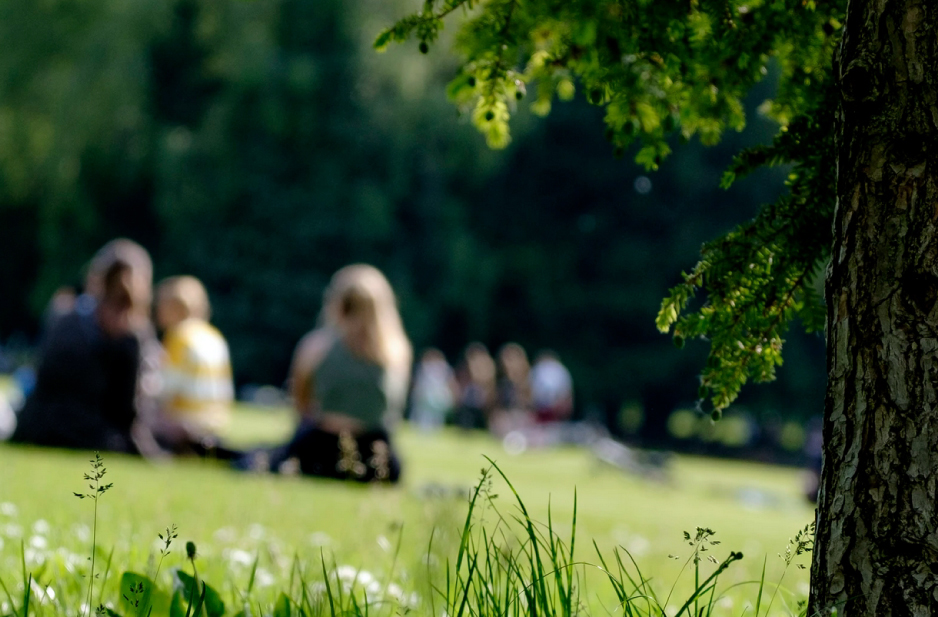
The National Trust in the UK is set to reopen some of its gardens and parks in England and Northern Ireland from June 3.

Around 29 sites are due to open for people with pre-booked tickets, with more to follow in the coming weeks.

Only around a third of the usual number of visitors will be permitted in order to maintain social distancing.

It comes after Prime Minister Boris Johnson announced a further easing of lockdown measures in England, while in Northern Ireland they have moved to reopen outdoor spaces.

All properties and car parks in Wales will remain closed, however, in line with Welsh lockdown rules.

The Trust said that most coastal and countryside car parks are already open, but some busier ones may need to be closed or pre-booked.

Hilary McGrady, the National Trust’s director general, said that the aim was to reopen gardens and parks “wherever possible”.

But she cautioned that “things will be very difficult, especially in the first instance”.

The RHS (Royal Horticultural Society) is also reopening its four gardens around England with a pre-booked ticketing system.

A University of Wolverhampton student is taking a novel approach to talking about mental health and wellbeing by illustrating the issues that children face in a new book.

Bethany Pickford, a third Visual Communication (Illustration) degree student, created the illustrated children’s book, “My Brother’s Monster”, in time for Mental Health Awareness week.

Drawing on personal experience of mental health issues suffered by friends and loved ones, Beth wanted to use her art to help children understand and relate to the complex issues surrounding depression.

Beth, 20 from Kidderminster, said: “The story focuses on a little girl who tries her best to reach out to her older brother as he suffers with his “monster”, and tries to free him of it. I wanted to find a way that translated how being with a loved one who’s suffering can make you feel, in a simple but effective way.

“I chose to illustrate this as a children’s book because I believe that it’s important for children to be introduced to mental health issues at an early age, as they or the people in their family, can also suffer from them. I wanted to try and show how it can feel from both sides, as someone who suffers and as someone who just wants to help, but can’t. Most of all I wanted the book to have a positive and heart-warming meaning even though it deals with a dark and sensitive topic.

“Initially I planned to work in watercolours, however after some experiments with coloured pencils I found that they were ideal for capturing the itchy, always moving texture of the monster and illustrating this story. It allowed me to push the colours and keep my style original and true to me. I’m really happy with how it turned out!”

Beth has had the full support of the staff of the Wolverhampton School of Art, especially Ben Kelly, Amy Evans, Howard Read and Stuart Varley, who have continued to mentor Beth, despite teaching moving to a virtual space during the COVID-19 lockdown.

Ben Kelly, Course Leader in Illustration at the University, said: ‘’Beth has worked incredibly hard on this project over the course of the final semester of her Degree programme. She has used this period of uncertainty in such a positive way, she is a credit to the course and we know she will go on to have a successful career within the creative industries.”

Beth aims to pursue a career in writing and illustration. She said “It would be amazing to get “My Brother’s Monster” published! It has been my first attempt at creating a full book of final artworks, and I am extremely proud of what I was able to achieve. This project means a lot to me, as it has lasted throughout the whole of third year and developed leaps and bounds since the concept was thought of last September. It would be a dream to hold a physical, printed, and published copy of a book that I both wrote and illustrated. Ultimately I would love to be a freelance illustrator and self-author!”

Another of Beth’s mentors at the University, Amy Evans, a lecturer on the Illustration course, views work that talks about mental health as absolutely vital. She said: “Mental Health Awareness Week has arrived at a time when it has never been more important to check in on our wellbeing. Mental health and depression can be a really challenging topic to discuss with children, but it is also so important to address. Beth has developed a really accessible way to approach the subject with a real sensitivity and understanding of communicating to young children in her picture book.”

The support and encouragement of her lecturers has meant a lot to Beth, helping her make the most of her course and hone her abilities. She said: “I always wanted to stay local for university and the Illustration course at Wolverhampton seemed approachable and welcoming to me. There hasn’t been a time where I regretted my decision, as I’ve always felt super supported by my lecturers and I am extremely happy with what I have managed to achieve over the past three years.”


Art for Charity, a collective of creatives and entrepreneurs from Birmingham, has launched the ‘Forward In Unity’ art project with the creation of its first dedicated artwork in Digbeth, Birmingham.

Designed to unite together the population of Birmingham and mark this generational event, and to draw on the skills and experience of some of Birmingham’s most exceptional creative talent, the collective has taken the first steps in establishing a new fundraising initiative in the city.

Spearheaded by Paul Cadman, Nathaniel Hanna and world-renowned street artist Gent 48, the goal is to create a permanent memorial to the hard work and lasting effects of the coronavirus crisis.

Head of Operations, Nathaniel Hanna, who is the co-founder of the Melting Pot Digbeth, Birmingham’s foremost creative centre, said: “We want to harness the creative potential across Birmingham to create a landmark moment for the city. We want to celebrate the spirit of Birmingham communities while paying homage to the efforts of those on the front lines at hospitals, care homes, education establishments and everywhere else across the city.

“Our aim is the creation of an artistic piece that the entire city can be proud of, then utilising its qualities as a fundraising tool to give people across Birmingham the opportunity to contribute to our ideology that the city will emerge from this crisis stronger than when it entered.”

Gent 48’s artwork, which appears in a prominent position in the heart of Birmingham’s creative district, will serve as the basis for prints of various sizes. The Art for Charity initiative invites sponsorship and purchases, which will see many contributors receiving acknowledgement on a printed gratitude board adjacent to the original artwork, online recognition and a selection of perks and prizes.

Larger prints will bear the signature of the artist, along with numerous dignitaries, business leaders and celebrities from across the city, including the Lord Mayor. Proceeds from this sponsorship will be donated to the Lord Mayor’s Charity, ensuring that the efforts of those we celebrate result in improvements to their local communities.

The news that anyone in England can now move house, as long as they follow new government guidance, will be welcomed by the 450,000 buyers and renters who have been unable to move since March.

After the government announced plans to help people to move house safely, in-line with social distancing advice, flatsharing site SpareRoom surveyed its users to ask whether they feel confident to move now the new regulations are in place.

The results reveal that over half (54%) of renters do feel confident to view a property now the government has given the housing market the green light to reopen. One in three (32%) however, still feel wary and said they’d only feel comfortable to move if they absolutely had to.

The government are recommending that initial viewings take place virtually for now. If people view properties in person, there are specific guidelines to follow. It seems renters and landlords alike are embracing the virtual option. SpareRoom has seen a huge increase in the number of video adverts on the site. Since lockdown began, they’ve seen 6 times the normal volume of video uploads, showing renters, landlords & agents are keen to crack on with their search as safely as possible3. 

Matt Hutchinson, SpareRoom Director commented: “COVID-19 has put a pause on ordinary life for all of us. Allowing people to move, when they feel confident to do so, will be a huge relief for those who need to. 

“Even though viewing properties in person is now allowed, from our data it’s clear that people are embracing virtual methods to continue searching for properties safely. We’d encourage as many people as possible to upload a video to their ads, especially if it includes the people living in the property.

“Video is a great way for potential flatmates to find out more about each other and work out whether they click before needing to meet in person. We may well see video remaining a natural part of the way people find rooms and flatmates way beyond the end of social distancing.”

One in ten UK couples say lockdown has led them to plan a new baby, a national study* has revealed.
Those most likely to plan for a lockdown baby live in London (18%), the North-east (18%) and Yorkshire & The Humber (14%), according to research by financial comparison experts money.co.uk. 


Seven per cent of couples have already fallen pregnant while forced to isolate under the new quarantine regulations, according to the poll.
A third (34%) of couples said they are taking the opportunity to make more time for each other whilst conforming to ‘stay at home’ guidelines.
The personal finance experts at money.co.uk have now prepared a parental calculator https://www.money.co.uk/guides/parental-leave-calculator designed to easily show would-be parents how much maternity and paternity leave they can afford to take off, according to their personal financial situation.
Salman Haqqi, personal finance expert at money.co.uk, said: “It definitely looks like we can expect a lot of lockdown babies to be born in early 2021.
“Ensuring you are financially prepared for the arrival of a new addition to the family is really important, so if you are considering getting pregnant now is the time to start budgeting to avoid any costly surprises when the bundle of joy arrives in 2021.”


Lockdown has meant many couples are spending much less money, so can use that additional disposable income to press ahead with plans to have a baby.
Almost a quarter of couples (23%) said lockdown has meant they’ve had the opportunity to save money and try for a baby immediately. And yet, for most, the decision is an emotional one rather than a mathematical one. More than half (51%) said planning a baby is ruled by their heart, with 49% admitting the decision is ruled by their head.


Under lockdown, what’s the most popular way to break the happy news that a new baby is on the way? Seventeen percent of expectant couples will tell their loved ones their happy news through a video call via Skype, Zoom or other video apps. 16% would call their family on the phone, 15% will wait until lockdown is over and 12% would tell their family in person but at a safe distance.


Lockdown has made family far more important than ever before, the report shows. Three in 10 of those polled say they appreciate their family more than ever since lockdown started. And 28% say, as a result of being quarantined, they plan to make more time for their family after lockdown. Another 34% say they now speak to their family more than they ever did before lockdown.


The change in the priorities of UK families means a new baby boom could be on the cards too. 
Salman Haqqi added: “While having a child at any time is a true moment of happiness for everyone involved, it can also be a time of nervousness and worry. It is important to note that for most couples, 'is having a baby affordable' is the prime motivation behind their planning.


“With this in mind we’ve developed our parental calculator – which is designed to offer some reassurance to would-be-parents. Simply answer a few straightforward questions about your personal financial circumstances and our calculator will show you how much maternity and paternity leave you can afford to take off.
“It is also clear we are spending much more time together as families and we are not getting on each other’s nerves either – in fact, just 6% say lockdown has led to family fall-outs, with 30% of the UK claiming lockdown has changed their priorities and made them realise family is now much more important to them.”

The Mayor of the West Midlands, Andy Street, is continuing to host conference calls on the COVID-19 crisis. These meetings are moving to every two weeks rather than weekly.

The next meeting will take place - Wednesday 3 June from 5.30pm. Each session will discuss a specific topic with this week’s theme on the subject of 'Places of Worship'. Andy will be joined by representatives from Public Health and the faith communities amongst others.

You are invited to listen to the discussions but you also have the opportunity to ask questions if you join by your computer. To ask a question please use the ‘Question’ facility in GoToWebinar or alternatively email your questions beforehand to This email address is being protected from spambots. You need JavaScript enabled to view it. (questions received after 3pm on the day of the webinar may not be included).

You can feel free to invite friends and colleagues by sharing the invite link with those in your networks that may wish to attend.

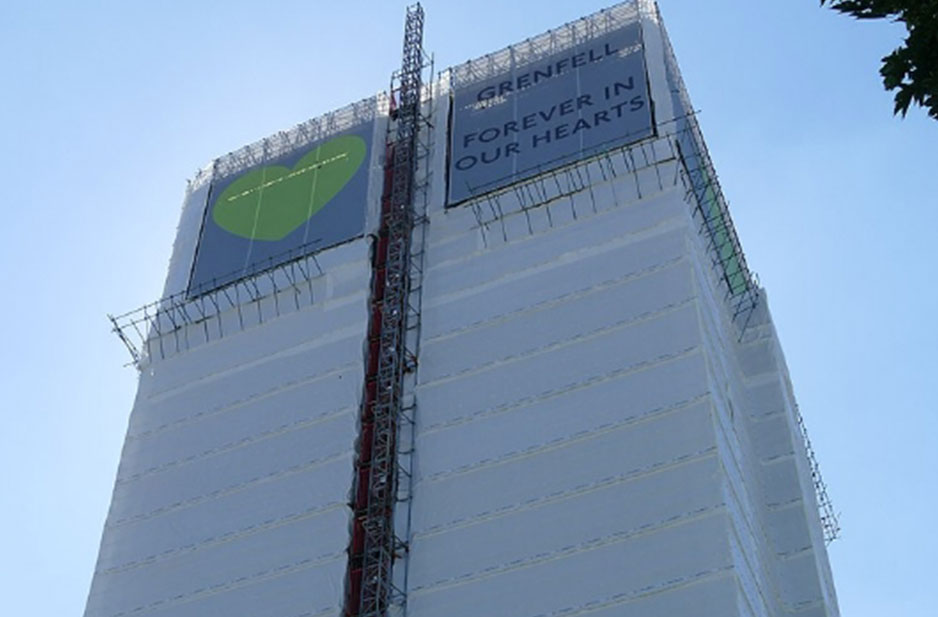
Fears of another Grenfell-type fire are stunting the spread of wood-based buildings in the UK.

The government is planning to reduce the maximum height of wood-framed buildings from six storeys to four.

The move’s been recommended by the emergency services in order to reduce fire risk.
But it contradicts other advice to increase timber construction because trees lock up climate-heating carbon emissions.

In France, President Macron has ruled all new publicly-funded buildings should be at least 50% timber or other natural materials by 2022.

And in Norway a new “ply-scraper” stretches fully 18 storeys – that’s the height recently deemed safe by standards authorities in North America.

Members of the timber trade say the Government in England has misunderstood the science behind timber construction.

They say timber walls can be made safe by methods including flame-retardant treatments and fire-resistant claddings.

They point out that it is futile planting millions of trees if they are left to rot and release the CO2 they previously captured.

In a consultation ending on Monday, ministers propose the height of timber-based flats, hotels, and boarding houses should be limited to 11 metres – that’s 3-4 storeys.

In higher buildings timber would be permitted in floors but banned from outside walls.
This further tightens rules introduced after the Grenfell disaster, following representation from fire authorities.

Matt Linegar from the Finnish timber giant Stora Enso said: “Obviously no-one wants to see another tragedy like Grenfell; protecting life is the main concern. But the government is over-reacting. Properly-constructed timber buildings can be safe in a fire – it depends on the design.

“Even with the current guidelines introduced after Grenfell there has been a chilling effect on the industry. People commissioning buildings think ‘I’d better not use timber’. The market has virtually dried up.”

A study from the Germany’s Potsdam Institute (PIK), found that a global boom in wood buildings could lock in up to 700 million tons of carbon a year.

It said a five-story residential building structured in laminated timber can store up to 180 kilos of carbon per square metre - three times more than in the trunk, branches and leaves of natural forests.

PIK’s Hans Schellnhuber said: “Societies have made good use of wood for buildings for many centuries, yet now the challenge of climate stabilisation calls for a very serious up-scaling.

"If we engineer the wood into modern building materials and smartly manage harvest and construction, we humans can build ourselves a safe home on Earth.”

The head of the Committee on Climate Change, Chris Stark, said: “Timber buildings can be tall and safe. Displacing cement, brick and steel with wood means more than double the carbon savings in buildings overall.

“With encouragement from the Government, we could triple the amount of carbon locked into buildings – one of the simplest steps we can take to help meet the UK’s climate goals.”

A government spokesperson said the consultation responses would be studied before final decisions were made. The fire authorities declined to comment.


Tributes have been paid following the death of well respected former Birmingham city councillor, Don Brown, who died following a long illness.

A former Labour Councillor, he was elected for the Handsworth ward, from 1995 to 2004, and the Lozells and East Handsworth Ward from 2004 to 2012. He also served on multiple committees including social services, public protection, environmental and contract services.

In 2012 he then became an Honorary Alderman.

Following the announcement of his passing, tributes poured in from fellow politicians including City Council leader, Ian Ward, who said: “This is very sad news and my thoughts are with Don’s family at this time.

"Don had an incredibly passion for the city that became his home for over 60 years.

“He was a good man who worked hard to make a difference after serving the people of Handsworth and Lozells for the best part of 20 years.”

Transport boss and Lozells Councillor, Waseem Zaffar, added: “Don was a friend and a colleague who I learnt a lot from.

“His passion to serve all his constituents irrespective of backgrounds is a crucial element of his outstanding legacy.”


Councillor Mahmood Hussain said: “Having worked together as councillors for many years, I found him to be a genuinely nice and humble person who was hardworking, with a lot of respect in the community.

“He will be missed by his family and by all of us. My condolences go to his entire family.”

His son Dexter said: “He was a loyal servant and very well respected by the community. We are all sad.”

A father of six children-four daughters and two sons-and 12 grandchildren, he was 87.

Newspapers will no longer have their sales figures automatically published, the industry's auditor has said.

The Audit Bureau of Circulations (ABC), which records and audits sales, usually publishes figures every month. But ABC said publishers were growing concerned about a "negative narrative of decline" in newspaper sales.

No national newspaper sold more than 1 million copies per day in the UK, as readers shopped less frequently under lockdown.a

Newspapers were already suffering falling print sales prior to coronavirus, and stories about the gradual decline of newspapers have been common in recent years.

All publishers will still have their circulation figures audited by ABC. As a result, newspapers will be able to tell advertisers what their sales are, regardless of whether or not they are made public.

Phil Smith, Director General of ISBA, which represents UK advertisers, said he "fully supported" the changes.

"These reporting updates will reduce the tendency for circulation to be seen as the only measure of Newsbrands' health in our multi-platform age," he said.

Newspapers have dramatically expanded their online operations in recent years in an effort to increase income from internet advertising.

It has been a difficult month for the newspapers. Traffic to websites may have risen but most papers are still heavily dependent on sales of print and many have seen a drop of around 30% over the last few weeks.

And it is not just sales revenue that has dropped, print advertising has also taken a nosedive.

But the decision to allow these figures to be a private matter between newspapers and advertisers is part of a bigger issue.

It's no secret the print newspaper business has been in long-term decline. Some are falling faster than others but over the last few years most have seen annual drops of around 7%.
The question for many is not if but when they stop the printing presses.

However, some papers, such as the New York Times, are showing that there may be a future with digital subscriptions. Digital advertising may also be a long term solution for some.

There are other ways then of measuring a news organisation's success and today's decision reflects that fact.

But this ever, it is also a little moment in the history of the British press. For years, the monthly sales figures were a proud boast to advertisers and politicians of a newspaper's power and reach. That era is over.

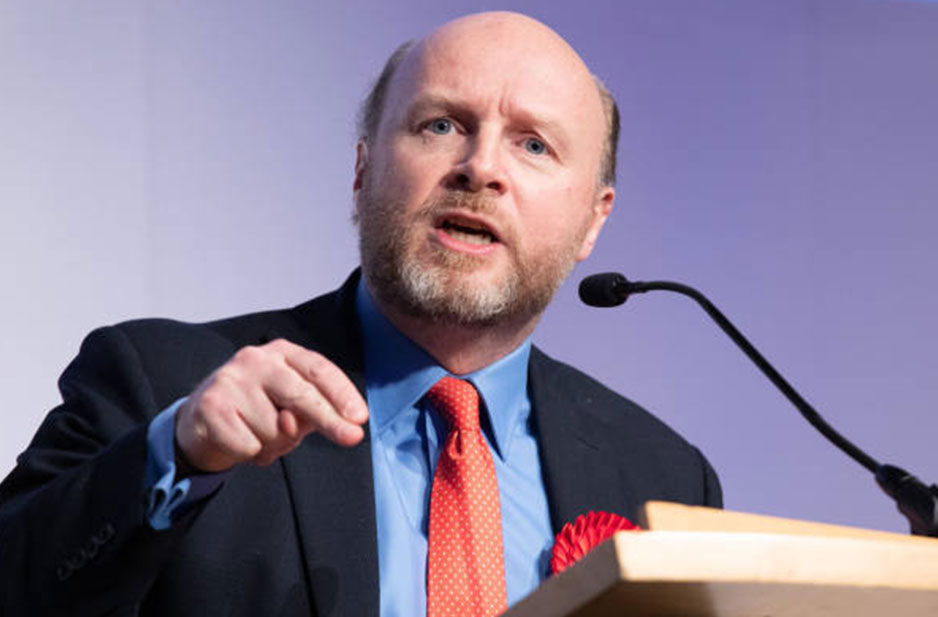
Labour’s Shadow Mayor of the West Midlands, Liam Byrne, is to establish a fact-finding taskforce across the seven boroughs and cities of the West Midlands to uncover the truth surrounding the higher than average Covid19 death rates among minority communities.

Data from the ONS and local authourities in the West Midlands shows that individuals in BAME communities are losing the battle against Covid-19 at a rate much higher than the general public.

Liam said: “Coronavirus is a killer disease which has taken too many lives but the evidence available suggests that you are four times more likely to die from Covid19 if you are black, and if you are from south Asian heritage, you also have a significantly higher risk of dying. There is therefore an urgent need to investigate whether the disproportionate impact of Covid-19 on BAME communities could have been prevented or mitigated and to act on any lessons learned.”

The Covid19 fact-finding taskforce will be co-chaired by Birmingham’s Councillor Paulette Hamilton, Wolverhampton’s Councillor Sandra Samuels OBE and Coventry MP, Taiwo Owatemi. Veteran equalities campaigner, Baroness Doreen Lawrence, will also be supporting the efforts in the region as part of her national role and representatives of the south Asian community are being identified.

Evidence and submissions have been requested from public health officials in each Borough and City as well as CCGs and hospital trusts. Members of the public will also be able to submit testimony of their experiences and virtual hearings will be arranged to hear, firsthand, how members of the BAME community have been affected by Covid19.

Anyone affected by the pandemic can submit their stories to This email address is being protected from spambots. You need JavaScript enabled to view it..


The UK government is considering the idea of introducing an extra bank holiday, possibly in October around the same time a half-term.

The original idea was put forward by the United Kingdom’s tourism agency Visit Britain.

Its acting head, Patricia Yates, told MPs that the industry has lost the benefit of the two bank holidays in May due to the current coronavirus pandemic and sub sequent lockdown.

The government did, however, warn that having an extra holiday break could have an economic downside.

Downing Street said that the government was supporting the tourism industry through this “challenging period” and would “respond in due course” to the proposal by Visit Britain.

A spokesperson said it was “worth acknowledging that extra bank holidays do come with economic costs”.

Ms Yates said an extra day in October would enable the UK tourism sector to extend the season. She said that the industry could not keep up with developments and it was very difficult to estimate the amount that would be lost because of the coronavirus lockdown.

She told the Digital, Culture, Media and Sport Select Committee: “Every time we do the modelling the figures get worse. So for inbound, I mean we were looking at the beginning of this year at about £26.6bn coming from inbound tourism, we reckon a £15bn drop on that.

She said ordinarily, the domestic tourism contributed some £80bn a year, but she was expecting that to be down by £22bn.

UK Hospitality, the trade group that represents leisure businesses from bars to hotels, approves of the move, but struck a note of caution.

Kate Nicholls, its chief executive, said: “A bank holiday in October may provide a welcome boost for hospitality businesses, not least at a time when consumer confidence will hopefully be returning to healthy levels”.

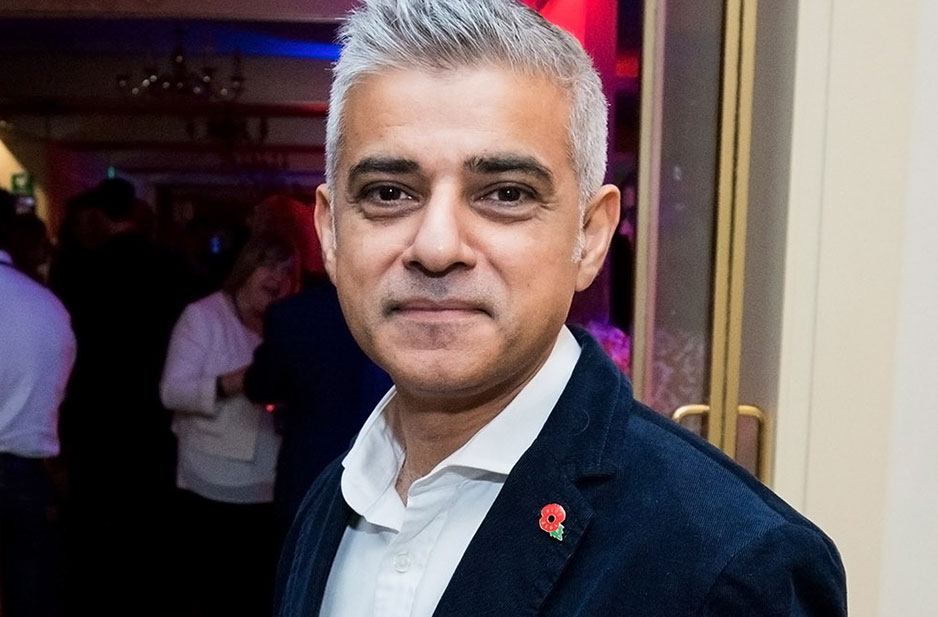
As the UK government have declared their intention to open an inquiry into the inexplicable inequality, the Mayor of London, Sadiq Khan, has called for the ethnicity of people who have died through the coronavirus pandemic to be recorded on their death certificates.

With people from Black, Asian, or of other ethnic backgrounds being prominent in Covid-19 fatality figures, Mayor Khan is set to gather some of the city’s leading figures to discuss the issue and to look at the best way forward.

He recently said: “The disproportionality of people who have been affected by coronavirus coming from a Black, Asian and/or other ethnic background is unacceptable”.

The increased impact on these communities has become increasingly clear with the Institute of Fiscal Studies estimating that hospital death rates are highest among people from these groups; although, they say, it is not possible to understand the full extent of this inequality as, unlike Scotland, in England ethnicity is not recorded on death certificates.

Mayor Khan has successfully lobbied ministers to routinely collect and publish demographics of those who are dying in hospital and welcomed the government’s review into the disproportionate effect of the virus, but only by adding ethnicity onto death certificates will we be able to get a complete picture of the impact on those from Black, Asian and/or other ethnic backgrounds.

Deputy Director of The Runnymede Trust, Dr Zubaida Haque, said: “We know from recent improvements in the official Covid-19 data that particular ethnic groups are oer-represented among hospital deaths with coronavirus, but we don’t know about deaths with Covid-19 in the community or in care homes.

“This is wholly inadequate during a pandemic. It is critical that we get the whole picture of who is being affected so that we can identify and shield the most vulnerable from Covid-19.

“We agree that it is important to have ethnicity recorded on death certificates, as it will allow us to identify any differences in mortality rates between ethnic groups”.