
Colors: Blue Color

A Coventry man who has helped break down racial and religious stereotypes has been presented with a Mayor of the West Midlands’ Community Champions award.

Imam Mohammed Hammad of the Iqra Learning Centre in Chapelfields received the Interfaith award at a ceremony held recently.

Mr Hammad’s tireless work has had a positive effect on the dynamics between Muslims and the broader community by breaking down barriers and stereotypes bringing together people from different backgrounds and beliefs.

Among the work he has done he has helped set up the Coventry winter night shelter which provides first line support for homeless people across Coventry, and five-a-side interfaith football.

Organised by the West Midlands Combined Authority (WMCA), the region’s first Community Champions awards were launched by the Mayor of the West Midlands, Andy Street, back in January.

The honours highlight the unsung heroes of the West Midlands who are making a difference to other people’s lives.

Andy Street, the Mayor of the West Midlands, said: “Across the West Midlands we have some brilliant community champions who work tirelessly and selflessly to improve the lives of others without any recognition. So, I was delighted to be able to hold a special night to thank these unsung heroes.

“A region is only as strong as the people living and working in it, and I truly believe here in the West Midlands we have the best region in the world.

“A big congratulations to the winners and all those nominated.”

 
The awards give people in the WMCA area the chance to nominate someone who has made a significant contribution to their area.

Cllr Brigid Jones, Deputy Leader of Birmingham City Council and WMCA portfolio holder for inclusive communities added: “These awards shine a light on the wide-ranging community work that is taking place in the West Midlands.

“We applaud the selfless work of all these individuals who strive to improve the lives and wellbeing of others without expecting any reward or recognition for themselves.”


Details of the other six winners are:


Life achievement - Sean Flynn  was chosen by the judges for his tireless work spanning more than four decades. Sean’s long history of volunteering started at the age of 18 and his philosophy throughout is to “treat others how you would like to be treated.” Through his volunteering with the charity Caritas, Sean was involved with the setting up of Tabor House, Birmingham’s only permanent night shelter for people experiencing homelessness.

In 2003, Sean along with members of Christ the King parish in Kingstanding started New Heights, Warren Farm Community Project. Under Sean’s direction and leadership New Heights offers a variety of activities and support to local people.


Cross Regional: West Midlands Fire Service (WMFS) for its work as part of the national resilience arrangements, involving services across the country helping each other during big emergencies, aiding local communities affected by a major event. During 2019 crews from WMFS responded to three such deployments outside of their area in Derbyshire, Lincolnshire and most recently the floods in South Yorkshire.


Intergenerational: Candy Woods - West Midlands Fire Service, Ladywood, Birmingham
After losing her home and belongings following a volcano eruption on the Caribbean island of Montserrat in 1997, Candy has had a desire to give something back and to help others who are less fortunate than herself.

In 2003 Candy launched the Winter Coat Appeal, which has now helped thousands of people in need. Ladywood Community Fire Station has acted as a collection and distribution centre, working with Candy to identify and work with vulnerable residents helping to make the community safer, stronger and healthier.

Social Mobility: Shamsun Chowdhury - Legacy WM, Birmingham
Shamsun has been supporting the communities of Lozells, Aston and Handsworth for the last 20 years. She works with more than 100 migrant women and children supporting them with integration, connecting them with services on offer and friendship networks to avoid isolation. 


Mentor: Michael Forbes - Gro-Organic, Chelmsley Wood - Michael has committed more than 10 years to working with the regions hardest to reach and disadvantaged young people including offenders, those at the attention of the police and on the brink of criminality. During the last three years alone, Michael has touched the lives of over 1,100 young people and has supported over 340 young people back into education, employment or training.

Michael now successfully draws on his own experiences to guide and mentor people who have been through significant trauma and life challenges.


Mentee: Raheem Ali - Who was one warning away from being excluded from school when he joined a mentoring programme which has showed him a new way of life. However, this would not have been possible without his newfound determination and aspirations. He is now engaged at school and has even started delivering peer mentoring in his spare time. He is working towards a mentoring qualification and plans to start an apprenticeship once he finishes school.
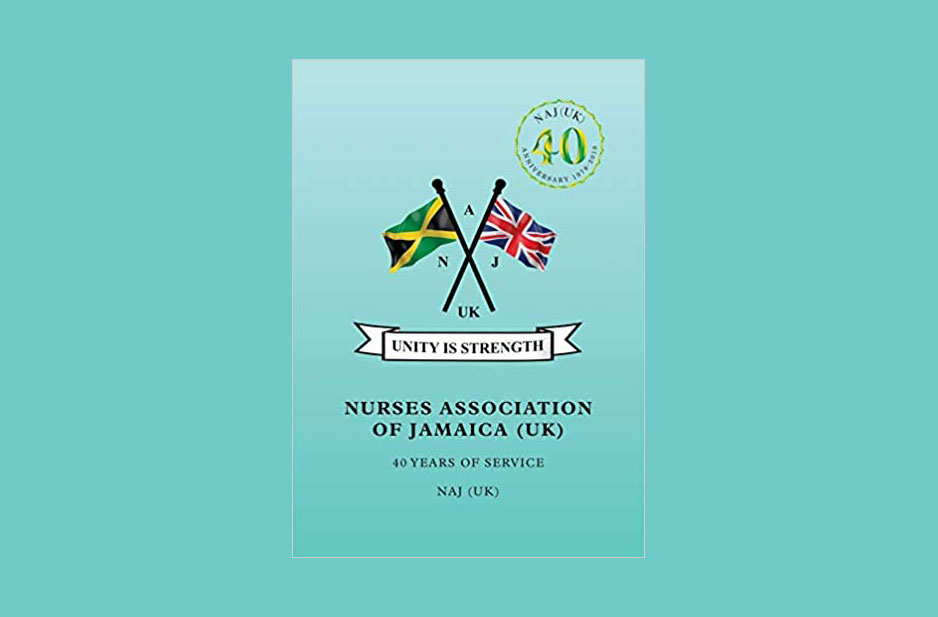


The story of the Jamaican nurses who helped to build the NHS


The past decade will undoubtedly go down in history as one of the most transformative periods for women.


Female-led activism has defined the past ten years - from women’s rights, to environmentalism, to the fight against terror - women of all backgrounds have been leaders in many of the most powerful movements. 


Women-led protest movements have created platforms for everyday women and public figures alike to stand together and voice their thoughts, concerns and stories.


Now, personal biography-writing service StoryTerrace, has unveiled some of the most influential female activists of the decade according to professional storytellers. One of whom is Alina Wallace.


As Florence Nightingale is historically respected as a trailblazing figure who affected nursing policy in the 19th and 20th centuries, it was Mary Seacole, the Jamaican-British nurse who set up the ‘British Hotel’ behind the lines during the Crimean War who was at the forefront of how we see how nursing is practiced today.


Her (Mary Seacole) legacy lived on as, from 1948, the British Government funded recruitment drives to attract qualified nurses and trainees from the Caribbean to come to Britain – this played a huge part in creating the NHS which we cherish so dearly today. 


One particular group of nurses from Jamaica, who previously had no knowledge or experience of British culture, made the journey to the UK to work in the NHS. They later set up a charity known as the Nurses Association of Jamaica (NAJ) to help those facing discrimination and share harrowing personal experiences, which still stands today.Alina, one of the key members of the NAJ, has worked with StoryTerrace to document the lives of the Jamaican nurses, their travel and work in the UK to build the NHS, and the creation and work of the NAJ. It is an incredible tale of overcoming adversity, culture shock and adaptation, the beginnings of a treasured British institution, and the philosophy of the NAJ on sharing ideas and educating people on important health and social issues.


One of the NAJs members commented on the importance of documenting the individual efforts of Wallace and the NAJ: “As we celebrated our 49th year, we felt that we had achieved so much, but also that we were getting on, and there weren’t many young people replacing us.


“A lot of incredible efforts and stories of Alina and these nurses have been lost and we are keen to document these stories in the right way.


Until now, there was nothing to document how we had achieved everything, and we felt the need to leave a legacy for the next generation”.


‘Unity is Strength: The story of the Jamaican nurses who helped to build the NHS’ highlights the women of excellence who were at the forefront of what was a new National Health Service.


Across the UK, 39% of children who are placed in care without a court order by local authorities are still living in this state of uncertainty with no long-term solution within 12 months, a figure which has resulted in a leading family lawyer sounding the alarm.


Law firm Ridley & Hall recently called on all UK councils to reveal the number of children currently accommodated under Section 20 of the Children Act (14,284), and asked how many of these had in fact been in this situation for more than 12 months (5,592)*.


Local authorities can place children into care without a court order when they are deemed not to have somewhere suitable to live. This action can only be taken with a parent’s consent, and is intended to be a short-term measure while efforts are made to find a permanent solution. Unfortunately, the research shows that almost half of these children still do not have a permanent place to live a year later.


Now, an expert is calling for more resources for putting in place permanent care plans for Section 20 children who are already at risk of significant emotional harm.


The law


Originally introduced in an attempt to move child law away from the courts, the Section 20 provision of the Children Act 1989 was intended as a short-term measure. It enabled local authorities to quickly take over the responsibility of caring for children in a foster home or with another family member. However, there has been growing judicial concern that these particular looked-after children are being accommodated for unacceptably long periods of time before official care proceedings are initiated.


The research


Figures obtained from local authorities by Ridley and Hall Solicitors under Freedom of Information show that in the West Midlands, there were 1,398 children accommodated under Section 20 during summer 2019 of which 578 (41%) had been accommodated for over 12 months.


“This legislation, which is designed to give local authorities the power to provide accommodation for children without a court order when they do not have somewhere suitable to live, can be productive and helpful in some circumstances,” explains James Cook, director and head of childcare law at Ridley and Hall. “It is, for example, helpful in situations where their parents might need temporary respite. However, in our experience, the law is now being misused and abused with large numbers of children being kept in temporary care for lengthy periods of time.

This was never the intention of Section 20, and the potential implications for the children can be truly damaging.


“The primary concern has to be for the welfare of the children. The breakdown of family relationships due to prolonged separation, as well as the stigma of being in care and the anxiety caused by the uncertainty of where they will ultimately live, can be extremely harmful. There is no doubt that this can have real, detrimental long-term implications for the children.”


Mr Cook says: “There seems to be a lack of urgency in dealing with the long-term needs of Section 20 children; once they have been removed from the home, the local authority considers them to be less of a priority as they are out of immediate danger. No doubt, a lack of resources is partly to blame, but this needs to change.


“I want to urge local authorities to prioritise making longer-term plans via the courts in order to give these children the opportunity for their needs and wishes to be properly considered and represented.


“Despite ongoing pressure on public spending, the need to ensure that local authorities are adequately resourced is vital. We must ensure that they are able to effectively plan long-term care and so prevent more children from being lost in the system under Section 20.”


The National Emergencies Trust has today launched an appeal to raise funds to help local charities support those individuals suffering hardship as a result of the coronavirus outbreak.

The appeal has been launched with the support of media, business and governmental organisations, and in partnership with the British Red Cross who will be managing donations. The Trust will then award grants to ensure the funds reach those who need it most across the UK. The Duke of Cambridge, who attended the launch of NET in November 2019, has recorded a message in support of the appeal.

Donations can be made at: www.nationalemergenciestrust.org.uk.

Or through the following on-line giving platforms: Just Giving, Go Fund Me, Virgin Money Gives, Good Launch, Muslim Giving.

The National Emergencies Trust will distribute money raised through a number of charitable organisations, for example, local Community Foundations, to ensure it reaches those who need it most.

Those partners will work within parameters agreed with NET to help identify the greatest need and distribute funds with both care and speed wherever possible.

This partnership network has been created by the NET since it was set up last year, in response to recommendations by the Charity Commission following a series of UK emergencies in 2017. The public can be confident that funds will only be granted to trusted organisations who know best the needs of their local communities.

Individuals and charities should not apply directly to the NET for funds. Local charities should contact their local Community Foundation to apply for funding.

The Chairman of the National Emergencies Trust, Lord Dannatt, said: “The outbreak of coronavirus is clearly both a global and national emergency. Many people are suffering, not just from ill health but also from the economic impact as well as the effects of social distancing and isolation.

“While there is much that Government can and is doing, there is also a strong desire of the public to help others and there are local grassroots organisations that can provide vital support to people who need it. We will channel the money raised to those organisations so people who need it can get support as quickly as possible but also who will need these vital funds to continue to be there for the long haul.

“These are tough and uncertain times and we’re only asking those who can really afford to give to our appeal to do so. We will do our very best to channel the money raised to organisations where people who need it can get support as quickly as possible.”

The Duke of Cambridge said: “Whenever and wherever adversity strikes, the people of the UK have a unique ability to pull together. The way that local communities support those affected shows the very best of our values and human nature.

“The public’s desire to help in the wake of tragedy needs to be managed and channelled in the best possible way - which is why the establishment of National Emergencies Trust was so important.

“I said at its launch last year that I dreaded the day when it would be needed. Sadly, with the outbreak of Covid-19, that day has come faster than any of us would have hoped.

“But now, more than ever, I am grateful that The National Emergencies Trust exists. It will ensure that support reaches those across the UK who need it most, as quickly and efficiently as possible. And it will help to ensure that all our efforts to overcome this challenge are channelled in the best possible way.”

Culture Secretary Oliver Dowden said: “We are living in deeply uncertain times, and I know that people across the nation are keen to help in any way that they can.

“As a Government we are working closely with the charity sector, which is already playing a crucial role in the nation's response.

"The National Emergencies Trust will help to channel the amazing outpouring of generosity we are seeing from the British public and businesses, and ensure help reaches those most in need."

In time, the Trust will report back on how the money raised was spent, and work collaboratively with others in the sector to build on the insights and lessons learned and increase the UK’s capacity to prepare for, respond and recover from disasters in the UK.


Peak time restrictions on concessionary tram and bus passes will be lifted during the early morning rush hour to make it easier for the region’s older citizens and disabled people to get their shopping.

It follows the decision by leading supermarkets to open early, or set aside the first hour of business exclusively for older clients and those most vulnerable to Covid-19.

Travel under the English National Concessionary Pass (ENCTS) is normally only valid for journeys taken after 9.30am.

Now Transport for West Midlands (TfWM), which is part of the West Midlands Combined Authority (WMCA), has joined forces with bus operators, including National Express to allow free travel before 9.30am for concessionary pass holders who have not yet self-isolated. The 9.30am restriction has also been lifted on the West Midlands Metro tram system, which is owned by the WMCA. 

The change is effective from Thursday, 19th March and will continue until further notice.

Mayor of the West Midlands Andy Street said: “These are very difficult and worrying times for everyone, but especially our older citizens.

“Thankfully supermarkets have recognised this and are offering exclusive early shopping access so those who are not yet self-isolating can stock up while reducing their risk of exposure to the coronavirus.

“To help support this TfWM has agreed to extend the hours of the concessionary pass so older people can travel before 9.30am.

"TfWM will continue to do it all it can to help keep public transport moving during this challenging period."

Cllr Ian Ward, WMCA portfolio holder for transport and leader of Birmingham City Council, said: “We are committed to help our most vulnerable citizens through this coronavirus outbreak as much as we can, and lifting peak time travel restriction is one way we can make life a little easier for some.

“We know shopping can be daunting right now, and these special shopping sessions for older people are a great idea, especially as a trip out in a safer environment can offer social interaction and break the feeling of isolation many will be feeling.”

Chris Gibbens, commercial director at National Express West Midlands, said: “Many of our customers pointed out that our senior citizens and disabled people can’t use their bus passes to access these special sessions in shops and banks.

“So I’m happy to say we’ve worked closely with Transport for West Midlands, via the West Midlands Bus Alliance, to make this free 0930 travel possible on all National Express bus services.

“We hope it will make it easier for the people of the West Midlands to cope better with the current situation.”


The first tree of over 1,000 committed along the route of Birmingham’s first cross-city bus service, Sprint, has been planted.

Cllr Waseem Zaffar, cabinet member for transport and environment and cllr Zafar Iqbal, councillor for Tyseley and Hay Mills, planted the tree next to the A45 in Small Heath to show support for Transport for West Midlands’ (TfWM) new bus route, which is set to be delivered in time for the Birmingham 2022 Commonwealth Games.

The Sprint scheme, now approved by Birmingham City Council’s Cabinet, reflects the region’s clean air policies and commitment to combatting climate change and as such, brings opportunity to increase the regions tree cover. 

Planting new trees and increasing tree canopy cover along the Sprint route will offer a range of benefits to local communities across Birmingham, including the reduction of carbon emissions and a positive impact on health and wellbeing, as well as visual improvements.

The improvements to the route will see up to 12,728m2 of tree canopy coverage affected. To combat this and provide additional benefit, TfWM has committed to planting 1,156 new trees along the route.

After ten years these trees are expected to increase the original canopy coverage by 14% and at maturity, the canopy coverage is estimated to be nine times greater than coverage that current trees provide.

TfWM has been working with Birmingham City Council’s expert horticulturalists and engaging community organisations such as Birmingham Trees for Life to develop a proposal that supports a ‘green vision’ for Sprint and sustainable transport in the region.

TfWM, which is part of the West Midlands Combined Authority (WMCA) will be working closely with local authorities, schools and community and wildlife groups to establish potential planting locations along the route and within the local community. Plans will also be made for recycling affected trees which will include building projects, habitat creation and outdoor learning.

Cllr Ian Ward, transport portfolio holder for the WMCA and leader of Birmingham City Council, said that Transport for West Midlands is ploughing unprecedented investment in new tram, rail, bus and cycling infrastructure, including Sprint, to revolutionise the way we travel around the region, reducing reliance on private cars and improving the air we breathe.

He added: “Earlier this year, Birmingham was recognised as one of the Tree Cities of the World and so we are proud to support a scheme that will help us in our goal towards a better connected and more sustainable region.

“We are looking forward to working with local communities across Birmingham to plant the new trees, we have a real opportunity to work together to make our city greener.”

Cllr Waseem Zaffar, cabinet member for transport and environment at Birmingham City Council said: “The Sprint scheme will see the delivery of the first ever cross-city route for the region, providing a much-needed service for residents, commuters and visitors. "It is also the chance for the people of Birmingham to really get involved in the regeneration of their local areas.

“Our tree mitigation plans are an important part of delivering Sprint in a sustainable, green way. It will be key to achieving our vision of cleaner, greener and safer neighbourhoods across Birmingham.”

The new Sprint bus route will offer a green, fast transport alternative that will run along the A34 and A45 between Walsall and Birmingham Airport and Solihull via the city centre.


Quality, affordable homes are planned to be built for nurses and other low paid staff working at the new Midland Metropolitan Hospital under a multi-million-pound land deal struck by the West Midlands Combined Authority (WMCA).

With many nurses and key workers struggling to get a foot on the property ladder, the WMCA has stepped in to buy two plots of industrial land within a short walk of the hospital which is currently under construction in Sandwell.

The combined authority intends to use the plots in Abberley Street and Cranford Way, Smethwick to provide quality new houses and apartments, at least 40 of which will be affordable homes available specifically to those on modest incomes.

The WMCA will now clean up the sites before submitting a planning application. A development partner will then be secured to deliver around 200 homes while implementing its standard funding condition that requires at least 20% of all the new properties to be affordable. This will be set against its new landmark regional affordable housing definition announced earlier this month. 

The Midland Metropolitan Hospital is being built on a six-acre site a short distance away in Grove Lane and is scheduled to open in summer 2022.

Mayor of the West Midlands Andy Street, who announced the deal today at the Abberley Street site, said: “NHS and other key workers make a vital contribution to society right across the West Midlands, but like many others in the region they have seen house prices outstrip wages in recent years and found it impossible to get on the housing ladder.

"On top of this, many also struggle to find homes close to where they work, which means long commutes and added pressure on what are already demanding jobs.

“The WMCA and its partners are determined to tackle this housing affordability issue, and that is exactly what we are trying to do at Abberley Street and Cranford Way.

"Not only will these homes be a stone's throw from the Midland Metropolitan hospital, but at least 20% of the houses and apartments will be affordable including homes which specifically meet our new regional definition linked to income rather than the property market rate."

Redevelopment of the area has been a long-standing priority for Sandwell Council.

Sandwell Council Leader Cllr Yvonne Davies said she was delighted the council and WMCA had been able to agree funding for two plots of industrial land with a view to cleaning up the sites and attracting a development partner to deliver new homes for local people. 

She said: “Working with WMCA, Sandwell is pleased to have secured additional investment around the Midlands Metropolitan Hospital to ensure that staff have access to affordable homes and that the area is brought back into residential use.”

The land purchases are just the latest in a number of WMCA initiatives to make housing more affordable.

Last month the WMCA become the first region in the UK to introduce its own localised definition of affordable housing, linking the definition to the real-world incomes of people in the area rather than to local house prices.

The new definition is based on local people paying no more than 35% of their salary on mortgages or rent.

Cllr Mike Bird, WMCA portfolio holder for housing and land and leader of Walsall Council, said: “This is another example of how the WMCA and its partners are changing the housing market, using our funding to deliver affordable homes for key workers in society.

“It’s about building the homes we need in the places where we need them, using brownfield land to regenerate local areas and help preserve our environment.”

The West Midlands needs to build 215,000 new homes by 2031 to meet future housing and economic demand.

To help reach the target the WMCA has introduced a ‘brownfield first’ policy where new homes and commercial developments are built on former industrial land wherever possible and has secured new funding from national government to help make it happen.

With such sites being notoriously difficult to build on because of the high clean-up costs for developers, and other constraints, the WMCA has committed substantial funding for land purchases and for brownfield remediation so sites can be made viable for development.

The policy and other investment to unlock new urban sites has helped see the number of new homes built in the West Midlands more than double over the last eight years.

A total of 16,938 properties were built in 2018/19 - a 15% rise on the previous year and twice the UK average increase. That compares to just 7,500 homes built in 2011.


Sandwell Council has announced the suspension of all Council debt-related court action against residents during the coronavirus pandemic.

Council Leader Councillor Yvonne Davies said the authority was determined not to pile more pressure onto people at this enormously challenging time. 

She said: “We understand that this is very stressful for everyone and our primary concern right now is for the people of Sandwell and how we can support them in this very challenging situation.

“So we have taken the decision to suspend all our court action for debt and will not be pursuing people while this situation lasts.

“All the advice is that the situation is highly likely to worsen in the coming weeks and we just want to act in the best interests of our people.

“We’re taking this action to try to take some pressure off people who, quite frankly, have enough to worry about right now.

“We are setting up a temporary hotline on 0121 569 5333 from Monday for people with concerns about debt and how coronavirus is going to impact on them.

“They can talk in person and we can point them to the latest official advice about how to protect themselves.  

“Please do not use this hotline for normal council issues as it is purely for concerns about debt and coronavirus.”

Councillor Davies said the Council was looking into providing a further package of measures to help people and that more information would follow next week.


Viviana Perestrelo, 29, and her partner Kevin Aspell, 33, adopted their six-year-old German Shepherd Jess from RSPCA Birmingham Animal Centre after she was signed over into the charity’s care when her previous owner could no longer care for her.

Viviana, who is originally Portugese, met her partner Kevin, from Luton, in Gran Canaria where they worked, him as a Commercial Captain and her as Cabin Crew. The couple and their two cats,

Aquilies and Maxi, then moved to Greenfield in Bedfordshire and decided to adopt an RSPCA rescue dog.

Viviana said: “As soon as I got to Jess’ kennel my heart skipped a beat. It was 100% love at first sight. 

“Just from looking at her, I knew she was the dog we were going to bring home. We adopted her there and then pending a home visit and one week later she was already part of the family.”

Jess was three-years-old when she was adopted and had been waiting to find a home for over a month.

Viviana said: “I don't know why her owner didn’t want her anymore, she’s an absolute angel. It took a while for her to trust us, and we had to do all her training from scratch but she’s too smart for her own good and she just loves the cats. We were the perfect family for 19 months but after seven years together, my partner Kev passed away in a car accident. He was driving through a storm and the roads were flooded. The car slid and he was killed instantly.”

Viviana explained that she hardly remembers the next days or weeks. She barely left the house, she couldn’t eat, she didn’t want to talk to anyone, or be around anyone - except for Jess.

“In a way, not being able to talk to Jess made me feel like I was in a bubble when she was with me. She didn’t talk about death, or inheritance, taxes, the mortgage, she just loved me and licked me. My family came to support me and I love them to bits but once my family left, I didn’t care about anything in the world, I really didn’t, but Jess was my responsibility. I had to get out of bed to feed her, let her out to go to the toilet, walk her. Her needs were getting me out of bed in the morning, her routine kept me grounded in the middle of all this mess.

“And she can’t speak but she knows.” Viviana explained. “We are both grieving. She’ll always sleep on his pillow and smells his shoes outside, she can’t forget him either. It broke my heart seeing her go to the door when she expected him to come home, and I couldn’t explain to her why he wasn’t coming home,” Viviana continued.

“I went through my worst times but my dog pulled me from a dark hole I didn't see an end to. I don't know how or where I'd be if I didn't have her in my life. She was there when I woke up alone, she was there when I had to cook myself dinner. She was always there when I came home, and she was there every time I cried. People say Jess is lucky that we adopted her but I believe we were the lucky ones to have found her. I thank the RSPCA for bringing her to me.”

Viviana wanted to give something back to the RSPCA which is why she decided to take on the London Landmarks half marathon which takes place on Sunday, 29 March. 

Viviana added: “I thought I would be the last person doing something like this but I’ve been trying to turn myself from an expert couch potato to a superior human capable of running 21km. It’s been quite a challenge. I’m just hoping I can do the whole thing on the day!”


Unclaimed lost property left at Town Hall Symphony Hall (THSH) Birmingham during 2019 has been donated to local organisations that support the homeless, unemployed men and women, provide eye tests and treatments for people in developing countries, and contribute to Cancer Research.

Last year, hundreds of hats, scarves, walking sticks, water bottles, ties, waistcoats, jackets, shirts, shoes, handbags, umbrellas and spectacles were left behind at the venues.

Now THSH staff, ICC Security colleagues and partners at Colmore BID have found new homes for these everyday items.

Many of the clothes were donated to Colmore BID’s nominated charity, SIFA Fireside Homeless, which enables homeless and vulnerable people in Birmingham to take control, paving the way for healthier, fulfilling lives.

Other items of clothing were donated to Suited for Success, which provides free high-quality interview clothes, styling and interview preparation skills for unemployed men and women in Birmingham who have a confirmed job interview.

Spectacles and glass cases were given to Specsavers for Vision Aid Overseas, which has been helping some of the world’s poorest people to see clearly for over 30 years by providing affordable eye care services.

The remaining items were donated to Cancer Research UK, whose pioneering work into the prevention, diagnosis and treatment of cancer has helped save millions of lives.

Jane Cooper, Head of Operations for THSH, said: “We keep lost property for 28 days, and have worked with our colleagues from The ICC Security Team and Colmore BID to find new homes for these items that will support local charities and people in need”.

Louise Walker, Facilities Manager at The ICC, said: “We are pleased that we can support Symphony Hall Birmingham in their lost property operations. It’s fantastic to know that the unclaimed lost property items collected throughout 2019 have been donated to such good causes”.

Colmore BID Executive Assistant, Claire J. Smith, said: “We at Colmore BID would like to thank THSH for donating their lost property to us, as the charities we have given to have benefitted so much from items that would have normally just been thrown away. We look forward to doing this again as an ongoing venture”.


A ground-breaking campaign to encourage organisations to improve their approach to increasing participation and equality has signed up its fiftieth organisation.

The Include Me West Midlands Pledge is led by the West Midlands Combined Authority (WMCA) in partnership with Sport England and disability charity Activity Alliance.

It is a regional approach to making the West Midlands an exemplar region for engaging disabled people and people with long term health conditions to be physically active.

The pledge shows disabled people, and people with long term health conditions that an organisation has made a commitment to become a supporter and consider how it engages better with people and is open to listening to their thoughts and views.

The fiftieth sign-up is the Tudor Grange Leisure Centre, Solihull which is managed by Everyone Active. Meanwhile, 50 other organisations have contacted WMCA stating they are keen to sign up.

Andy Street, Mayor of the West Midlands said: “Include Me WM has reached an important milestone in helping to challenge perceptions and change lives of disabled people.

“This project gives disabled people, and people with long term health conditions, a voice to help improve access and opportunities across the West Midlands. In addition, it gives organisations the opportunity to contribute to making the region a better place to live.”

Cllr Yvonne Davies the WMCA portfolio holder for Public Service Reform and leader of Sandwell Council, said: “It is highly encouraging to see such a variety of organisations show they are eager to commit to improving how they engage with disabled people in the West Midlands.”

Dr Mark Fosbrook, who is seconded to the WMCA from the charity Activity Alliance to manage the campaign said: “Include Me WM goes deeper than simply creating access to a sport or leisure centre, but about having an appropriately trained workforce, improved transport, access to services and inclusive messaging and imagery.

“We are heartened by the terrific response, but this is no time to sit back. We are gearing up to encourage many more sign-ups, and we have further plans in the pipeline including a website.

“Include Me WM is about making a positive difference to disabled people and people with long term health conditions by giving them a voice to help improve access and opportunities across the West Midlands.

“By signing the pledge indicates an organisation will not always get everything right, but they are willing to listen and learn on how to make improvements for individuals.”

Tudor Grange joins Coventry City’s charity Sky Blues in the Community, Birmingham-based Sport Structures, Aston Villa Community Foundation and the Wasps Group in signing up to the pledge. Numerous organisations which support disabled people and people with long term health conditions, such as Headway the brain injury association, use Tudor Grange’s facilities.

Wayne Desmond, contract manager at Everyone Active said: “We are delighted to be a part of such an important initiative and mark a key milestone in making the West Midlands more accessible and inclusive for everyone.

“At Everyone Active, we are always looking at how we can break down barriers and accommodate the diverse needs of our customers so that they feel empowered to get active and lead a healthy lifestyle using our facilities.

“Signing up to the Include Me WM Pledge will help us to further our understanding and embed an extra set of principles into our organisation that are consistent across our leisure facilities in Solihull, Stratford, Warwick and Bromsgrove and raise awareness of the opportunities for people with disabilities and long term health conditions.”

Include Me WM uses the Activity Alliance Talk to Me principles to identify how organisations can make improvements to engage better with people. Focusing on these areas helps organisations understand their needs and make physical activity a viable option.

Initial evaluation has shown there are three Activity Alliance Talk to Me principles that Include Me WM participating organisations value the most. The first is Listen to Me which refers to discussing needs in a safe and private environment and listening to thoughts and views on how to improve services.

The second is emphasising disabled people who are already undertaking activities and working within an organisation to give disabled people the confidence to be involved, referred to as Show Me. The third is using the channels that are trusted to communicate with disabled people and people with long term health conditions. Called My Channels, this includes organisations wanting to look at how they can make their communications more inclusive.


A pipeline of more than £250m of investment is being provided to help revitalise West Midlands town and city centres and kick-start their wider transformation. 

The money is being deployed by the West Midlands Combined Authority (WMCA), working in partnership with local councils, to unlock sites for redevelopment and support different schemes that can regenerate centres and help reverse the fortunes of struggling high streets and deliver new homes and jobs. 

Dudley town centre became the latest to see the benefits of the £250m investment as a huge 90 ton “building muncher” began tearing down the eyesore Cavendish House which has stood empty and neglected for more than 20 years. 


Watching the machine go into action and start the demolition, which is being paid for by the WMCA, were Mayor of the West Midlands Andy Street, Cllr Pat Harley, leader of Dudley Council and Cllr Mike Bird, WMCA portfolio holder for housing and land and leader of Walsall Council. 

Joining them were Jon Bramwell, chair of the West Midlands Town Centre Taskforce (WMTCT), which was set up by the Mayor last year, and Jeremy Knight-Adams, owner of developers Avenbury Dudley which will deliver the wider £82m Portersfield development featuring retail, leisure and housing once Cavendish is taken down. 

The Mayor also visited the Provision House Food Club – a concept to bridge the gap between food banks and high street supermarkets which has been launched with the help of WMCA town centre funding. 

The demolition and social supermarket are part of a swathe of projects being invested in and delivered to fast track the regeneration and renewal of the region’s town and city centres.

The Mayor, a former managing director of retailer John Lewis, said: “High streets across the nation have been struggling as people choose to shop in a different way, turning to online retailers and home delivery. 

“So, it’s vital our town and city centres reinvent themselves offering a more diverse mix of traditional retail, housing, leisure facilities and public services to create vibrant new hubs in our communities. That’s what the West Midlands is aiming to achieve with this comprehensive pipeline of investment. 

“The demolition of Cavendish House and the Food Club are perfect examples of how the WMCA can help unlock regeneration of our towns and cities while also responding to the needs of our communities in the short-term, providing meaningful support to help the area prepare for growth.” 

Cllr Harley added: “This is a momentous occasion which marks the start of a major regeneration plan which will transform Dudley. We have been talking about this for many years but at last we can say that Dudley is now in the midst of an exciting new chapter in its history. It’s our time and I am delighted this is all coming to fruition.”

The £250m of investment includes a number of bespoke packages of town centre and brownfield funding including: 

Dudley  

  • Demolition of Cavendish House, paving the way for the Portersfield scheme  
  • Black Country and Marches Institute of Technology – using a former 1960s railway depot for a new Institute of Transformational Technologies  

Wolverhampton 

  • Purchase of the derelict Pipe Hall near Bilston high street enabling the site to be redeveloped 
  • Cable Street/Steelhouse Lane – funding to clean up brownfield land for a 151 new home development 

Coventry 

  • Work to give the city centre a facelift ahead of the arrival of visitors for the City of Culture 
  • Regeneration of the former Coventry Telegraph newspaper site for a boutique hotel and apartments 

Solihull 

  • Chelmsley Wood town centre – a concept masterplan is being drawn up to look at a range of development opportunities including vacant sites like the former library  
  • Kingshurst village centre – a concept masterplan is being drawn up ahead of a formal planning application 

The £250m also includes support for five town centres which have been put forward by their local councils for specific help – Bilston, Dudley, West Bromwich, Walsall and Bordesley Green in Birmingham. 

The town centre programme is being co-ordinated by the region’s Town Centre Taskforce which is made up of prominent people from the worlds of retail, development, finance, housing, education and Government to work with local councils on moving forward redevelopment plans for town centres. 

The new Food Club is a direct result of the work being carried out by the Taskforce and will provide a wide range of fresh food and daily essentials for the community to choose from, for a small weekly donation of £3. Run by local charity Loaves ‘N’ Fishes, the project will also provide healthy eating advice and recipes. 

Taskforce chair, Jon Bramwell, a managing director at HSBC Commercial Banking, said; “The Taskforce is a positive example of how the private and public sector can work together to deliver vibrant, healthy and thriving town centres. 

“This all starts with the local community. We hope the Food Club will demonstrate how spare spaces within our towns can be better utilised to meet the needs of the community whilst also creating spaces for social interaction and experiences.” 

Cllr Mike Bird, leader of Walsall Council and WMCA portfolio holder for housing and regeneration, added: “The WMCA’s dedicated Taskforce and this £250m of investment provides much-needed support for town and city centres, many of which have experienced a decline in trade in recent years. 

“Dudley is no exception but the demolition of Cavendish House, combined with softer interventions by the WMCA such as the food club we have seen today, will help kick-start the wider redevelopment of Dudley and breathe new life into the town.” 


Clooney, a five-year-old mixed breed owned by Hannah and Stephen Hayes from Newark, Nottinghamshire, has won the Scruffts Family Crossbreed of the Year title at the world’s greatest dog show, Crufts on Saturday 7th March.

Clooney was one of four crossbreed finalists in the national Scruffts competition, which is exclusively supported by pet food makers James Wellbeloved. Hundreds of dogs competed in qualifying heats around the country, with 24 dogs and their owners making it through to the semi-finals, which also took place at Crufts earlier on Saturday.

Clooney was found in a bad condition, wandering the streets of Romania, before he was rescued by Sirius Animal Rescue and Evermore Dog Rescue. After being nursed back to health, he was taken to a rehoming centre in Nottinghamshire.

Having both grown up with dogs, Stephen and Hannah were looking for a dog after moving in together and it was love at first sight when they met Clooney, who greeted them with a wagging tail. More recently, he was even ring bearer at their wedding!

This is the first time the trio had entered Scruffts, taking part in the local All About Dogs show heat in Newark last year.

Thrilled owner Hannah said: “I’m completely speechless. I’m still in shock. We entered for the fun of it, we never imagined Clooney would win.

“We just couldn’t resist his beautiful amber eyes and cheeky face.”

Actress, presenter and comedian Sally Phillips and actress and impressionist Ronni Ancona judged the four finalists, alongside dog judge Robin Newhouse, looking for qualities such as good character, health and temperament with people and other dogs.

On choosing the winner, Sally Phillips said: “Coming here today has been a real pleasure but of course, it’s been an almost impossible task picking out a winner - all the stories are completely heart-breaking.

“I just loved the fact that Clooney was best man at Stephen and Hannah’s wedding and has done wonders for their mental health. When you rescue a dog, as I have done, you do wonder who is actually rescuing who here.”

The Scruffts Family Crossbreed of the Year competition is run by the Kennel Club, which organises Crufts, and caters exclusively for crossbreed dogs: dogs whose parents are of two different breeds, or a mixture of several breeds.

The four finalists were:

  • Most Handsome Crossbreed Dog: Clooney the mixed breed, owned by Stephen and Hannah Hayes from Newark, Nottinghamshire.
  • Good Citizen Dog Scheme: Maggie the German Wirehaired Pointer cross, owned by Karen Baudrey from East Tilbury, Essex
  • Golden Oldie Crossbreed: Roxie the 15-year old mixed breed, owned by Jessica Mann from Oxford
  • Prettiest Crossbreed Bitch: Skye the Alaskan Malamute/German Shepherd/Siberian Husky cross, owned by Elaine Forster from Abingdon, Oxfordshire

As well as the Scruffts Crossbreed Family Dog of the Year title, Clooney received a year’s supply of healthy hypo-allergenic dog food from James Wellbeloved.

James Wellbeloved marketing manager Laurence Hooper said: "Huge congratulations to Clooney, Hannah and Stephen on becoming Scruffts champions. James Wellbeloved is very proud to be exclusive supporters of this wonderful competition which celebrates the nation’s most fabulous crossbreed dogs.

“The bond between the trio was clear to see and we hope they enjoy every moment of being a Scruffts champion.”


Staff at Sandwell Museums are launching two new displays at Bromwich Hall in the Manor House Museum in West Bromwich – to highlight the lives of two women once associated with the 750-year-old building.

The new displays have been announced as part of International Women’s Day at the museum in Hall Green Road 

Jane Hanney Martin, Museums Services Manager, said: "The displays will see two women once associated with this 750 year old building come back to life by projecting real faces onto blank faced models.

“These will then be able to talk to visitors and tell their stories through time."

Abbey Butler, Visitor Services Officer for Bromwich Hall, added: "Often the stories told are those of the men who owned these sorts of buildings, but they were usually away fighting or doing other political roles away from their homes.

“It was usually their wives who were at Bromwich running the house and the estate taking day to day decisions – so we have decided to tell two of those women’s stories, showing the everyday life of the hall."

The first of the women is Sarah Devereaux whose story helps to tell the tale of how Bromwich Hall came to be built in the 1270s.

The Bromwich lands were inherited through Sarah’s father and Sarah was married to Walter Devereaux, who was part of a family who were important lords defending the Welsh borders from the unruly locals.

But when Walter fought against the King his own lands were taken away as punishment and so the family land in West Bromwich became more important and a new Manor House needed to be built.

The second display will be set in the 1620s and will show Lettice, who was the wife of Richard Shilton. Richard was the Solicitor General to Charles I and also part of a team restoring old St Paul’s Cathedral before it was destroyed in the Great Fire of London in 1666.

“It is interesting to note that there is 400 years between the lives of these two women associated with Bromwich Hall which is longer in time than between Lettice and us at the museum today,”  added Jane Hanney-Martin.

"This is a great opportunity for locals and visitors to the region to discover and explore some of the fascinating stories associated with this fantastic building and the people who lived in them, particularly the often forgotten lives of women who kept these estates running,” she said.

It was indeed an honour to lay a wreath on behalf of The National Caribbean Monument Charity (TNCMC) at the commemoration ceremony on COMMONWEALTH DAY at MEMORIAL GATES, CONSTITUTION HILL, London.

The ceremony was well attended with many high ranking personnel, both military and civilian, and very good representations from commonwealth countries.

The ceremony began with a welcome from Lord Karan Bilimoria, Chairman of the Memorial Gates Council, followed by a speech from Johnny Mercer MP, Minister for Defence People and Veterans, and Prayers by The Rt Rev and Rt Hon Dame Sarah Mullally, The Bishop of London.

The ceremony this year marked 75 years since VJ Day (Victory over Japan) the day on which Imperial Japan surrendered in World War II, and the contribution made by Commonwealth Forces in the Far East. Brief Background of the Memorial Gates: On the 6th of November 2002 Her Majesty

The Queen officially inaugurated the Memorial Gates on Constitution Hill, in London. These gates have been erected as a lasting memorial to honour the five million men and women from the Indian subcontinent, Africa and the Caribbean who volunteered to serve with the Armed Forces during the First and Second World Wars.

They also celebrate the contribution that these men and women and their descendants, members of the Commonwealth family, continuing to make to the rich diversity of British society. It is now full time and a fitting reminder that we must forge ahead with our campaign to erect a permanent monument in the National Memorial Arboretum, Staffordshire in recognition of Caribbean military personnel. Your financial support would be very much appreciated: https://tncmc.org/index.php/donations

Donald Campbell
Chair
TNCMC
07802723222

For centuries it has been the preserve of white men, now one particular institution – the Church of England - is being challenged, by one of its own, to change that perception.

As this year’s International Women’s Day hailed those who have made a ‘change’ one particular clergy is standing up to question her own church’s perception in the fight against racism.

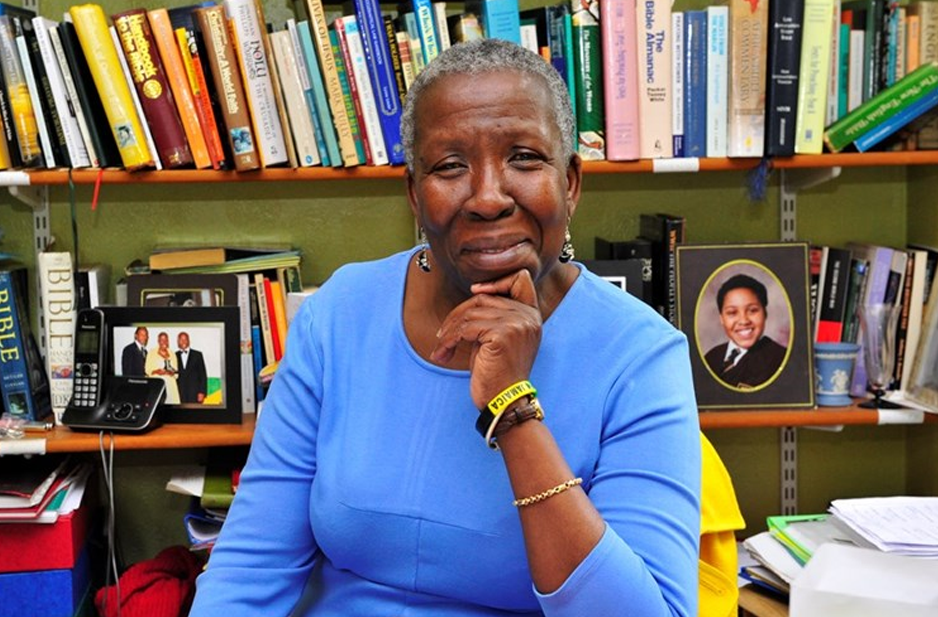
Reverend Eve Pitts, the priest at Holy Trinity Church, in Birchfield, in Birmingham, is challenging the very religion she represents.

As, not only a woman, but, especially, a Black woman, she has had struggles with her God, and the very religion she preaches about.

“It takes ‘batty’ people who wants to change the world”, she said, “but I am not going to ‘leave this world’ until I make a change”.

“My struggle with God is in terms of the history of me and my people”, she said.

“As such”, she continues, “If there was one prayer that I could ask from my God then I would want him to get rid of the demon forces of racism.

As Britain’s first Black, female vicar, Reverend Eve says: “I refuse to believe in a God that doesn’t care about the diminishing state of my race”.

When questioned about her position in a perceived ‘all white’ institute that is the Church of England, she insists on being true to herself and her history – as she remains totally committed to her culture and where she comes from.

Each year, on August 1, at her Holy Trinity Church, Rev. Eve Pitts holds a special service to remember all those who were enslaved during the trans-Atlantic slave trade; approaching her pew, each year, in native African attire, with chains around her waist and ankles – as the slave traders did so unceremoniously during one of the most trying, traumatic periods in the history of mankind.