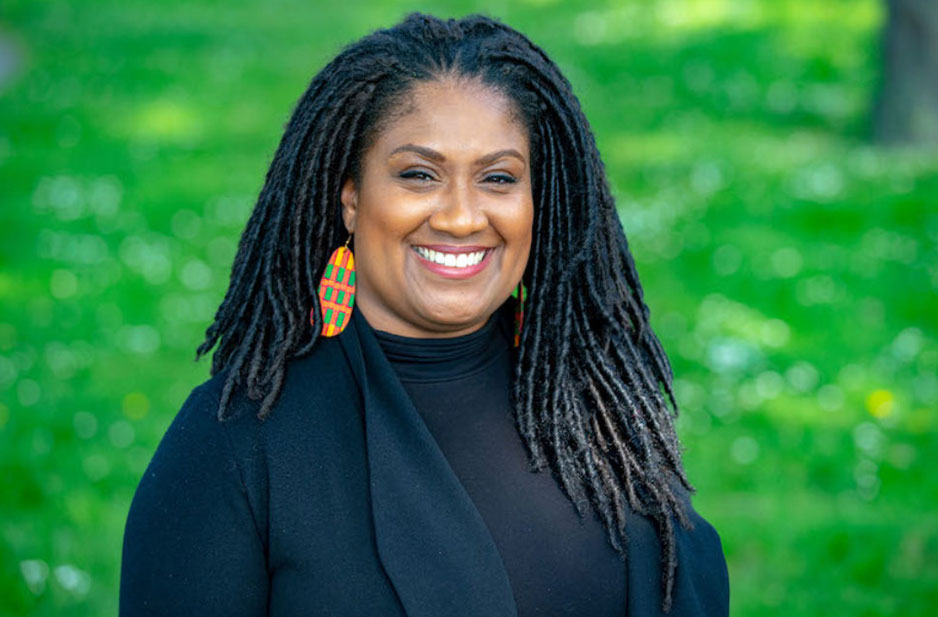


The first female Archbishop of Canterbury addressed a mass congregation of guests at Canterbury Cathedral saying that she prayed for those affected by war.
As all 105 of the previous Archbishops of Canterbury have been men, starting with St Augustine in 597 AD women were only allowed to become priests in the Church of England in 1994. In her first sermon as archbishop, Dame Sarah Mullally told the congregation: "In a world already torn by conflict, suffering, and division, we must also acknowledge the hurt that exists much closer to home. "We hold victims and survivors in our hearts and in our prayers, and we must remain committed to truth, compassion, justice and action,” she said.
“We must not overlook or minimise the pain experienced by those who have been harmed through the actions, inactions, or failures of those in our own Christian churches and communities." She also went on to say that "some of our Anglican brothers and sisters" had been prevented from attending the service by the US-Israel war with Iran. "We pray for them without ceasing, and for all those in war-torn areas of the world, in Ukraine, in Sudan, and Myanmar – that they would know God's presence with them, just as we pray for peace to prevail," she said.
The Prince and Princess of Wales represented King Charles at the service. Some traditionalists in the Church of England and the wider global Anglican Communion continue to oppose the idea of women being priests at all. In a meeting earlier this month in the Nigerian capital, Abuja, conservative clergy gathered to select their own leader to follow instead of Dame Sarah, the Rwandan archbishop Laurent Mbanda.
Dame Sarah will also work with bishops in England whose beliefs mean they refuse to ordain women. Ahead of the service she said: “I recognise the significance of being the first female archbishop, but I am also aware of the women that have supported me in my ministry". She said that the installation would give the sense of being about “celebrating women."
The service, historically known as an enthronement, marked the symbolic start of Dame Sarah's public ministry as the Archbishop of Canterbury, which also had the presence of nurses and carers, to reflect her career as a nurse. She told the congregation: "As I look back over my life - at the teenage Sarah, who put her faith in God and made a commitment to follow Jesus, I could never have imagined the future that lay ahead, and certainly not the ministry to which I am now called." She also said that she resonated with the experience of Mary, the mother of God, who had to trust "in a future she couldn't yet see - a future she could never have imagined".
Other challenges the new archbishop will face are more familiar for leaders of the Church of England, which includes same-sex unions in the Church and the way she leads on safeguarding. "My thoughts and my prayers will continue to be for victims and survivors of abuse, and the Church has sought to improve what we do," she said.
"Light should be shone on all our actions. And the more senior we are, the more light should be shone. That is absolutely right," she said when asked about the scrutiny of her own record in handling abuse cases. Dame Sarah also said: "I am going to be the archbishop because of the experiences that I have had, whether as a nurse or as a priest or as a bishop.
“And I continue to make my commitment to do all I can to ensure that the Church becomes safer." In the days leading up to the service, Dame Sarah walked nearly 90 miles over six days in a pilgrimage from St Paul's Cathedral to Canterbury Cathedral. The theme of pilgrimage continued into Wednesday afternoon's installation service too, with religious rites performed in locations throughout the cathedral.
It began with Dame Sarah knocking three times on the West Door of the cathedral with her pastoral staff after which she was welcomed by local schoolchildren. In the nave she swore an oath on the Saint John's Bible, the first time a new bible has been used since 1945, in what is being seen as a reflection of modernisation. In the choir she was installed as Bishop of the Diocese of Canterbury in the "Cathedral Chair" before moving to the famous "Chair of St Augustine" to be installed as Primate of All England.
While the service was rooted in historical significance, Dame Sarah had a hand in choosing some of the hymns. There were also nods to the diversity of the global Anglican Communion - with singing in Urdu, a Gospel reading in Spanish and a prayer in the Bemba language of Zambia.