
Fostering rules will be relaxed and red tape cut to create 10,000 new places for vulnerable children in England, the government says, making it easier for full-time workers to become foster carers under the plans and clearer guidelines are being drawn up to encourage people from diverse backgrounds to get involved.
The government said an additional £88m will help overhaul the fostering system. Official figures show the number of foster carers fell from 63,890 in 2021 to 56,345 in March 2025 - a 12% drop, whilst in the last 12 months alone, there were 1,140 fewer foster placements available for children in England than the year before. In 2024-25, more than 81,000 children in England were in the care of their local authority, with two thirds removed from their birth families because of abuse or neglect.
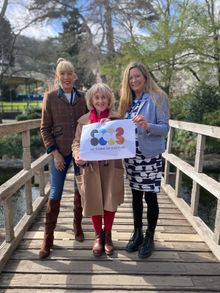
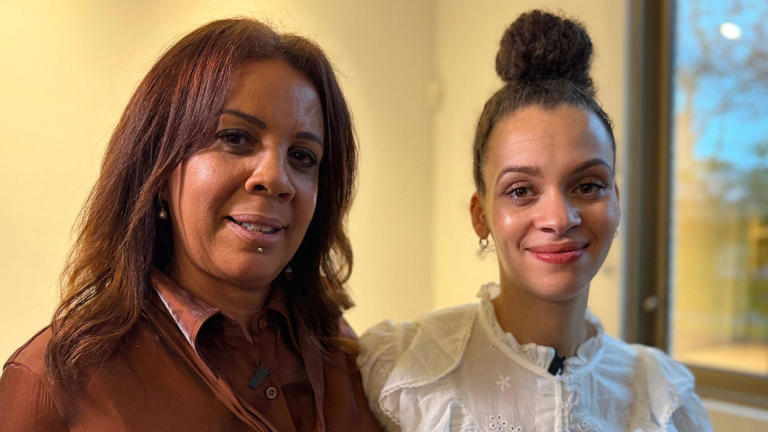
Almost 55,000 were placed with foster carers, but available places were down 2% - or 1,140 places - on the year before, with the number of young people ending up in children's homes increasing by 9%, to 9,480. Judy and Roxy Wilson, from BBC's The Traitors, attended a government’s launch.
Judy (left in pic) fostered Roxy, before adopting her. Roxy said: "You need settled moments in your life, especially as a kid.”
Describing Roxy as "a breath of fresh air," Judy said: "People don't want to do it because they think it is going to be very difficult.” A report by the National Audit Office last year found the amount councils were spending on putting children in residential homes had almost doubled in five years, reaching £3.1bn by 2023-24, with a shortage of suitable alternatives and the higher fees charged by private providers meaning it was costing an average of £318,400 a year per child.
The government's minister for children and families, Josh MacAlister, said: "150,000 people last year came forward and expressed an interest in fostering, but we only approved just over 7,000 of them." She blamed outdated rules - believing that modernising the fostering system will help create 10,000 new foster placements before the end of this parliament.
The government says it will make it easier for people to become foster carers. Currently, some councils only allow people to become foster carers if they are married, homeowners and don't work full-time and hopes better, clearer information will help encourage more people from Ethnic communities and wider backgrounds to foster.
The proposals will also offer help for people to make home improvements, such as extending their homes, and increase practical day-to-day support for families through schemes like the Mockingbird programme, which is run by the Fostering Network. It brings groups of foster families together so they can provide advice, support and respite care for each other, like an extended family.
Chief Executive of Fostering Network, Sarah Thomas, welcomed what she called "a much-needed focus on foster care" saying additional placements will "ensure that thousands more children can be cared for in homes that are right for their needs".