Colors: Blue Color

McDonald’s and the English Football Associations are inviting parents to sign up for one of over 160 McDonald’s Fun Football Centres, designed to give fun, free physical activity to thousands of children across the country. A new survey shows that over-half (52%) of parents are facing financial difficulties as a direct result of the pandemic, and 72% are desperately seeking  opportunities for their children to be more active - meaning the centres will be more important than ever for families.


From Aberdeen to Yeovil the sessions up and down the country aim to introduce thousands of 5-11 year olds to the nation’s favourite game for the first time regardless of gender or ability. Every session is designed to be as safe as possible, and all activity follows the latest guidance from the Football Associations, government and public health authorities.

The Fun Football curriculum includes introductory activities perfect for children with no footballing experience, helping them develop their all-round skills, get active and make new friends.

Paul Pomroy, McDonald’s UK and Ireland Chief Executive Officer said: “As a dad of two football-mad children desperate for activities during lockdown, I know how important it is for kids to get out and about, socialising and being active. Through our Fun Football programme we are proudly providing 5 million hours of football for children and introducing more than half a million new players to the game by 2022.”

The Fun Football sessions are part of the four year deal between McDonald’s - the longest-standing supporter of grassroots football in the UK - and the four UK Football Associations, which will see the restaurant company provide over 5 million hours of football to 5-11 year olds by 2022, having already delivered 2.8m by March this year.

.

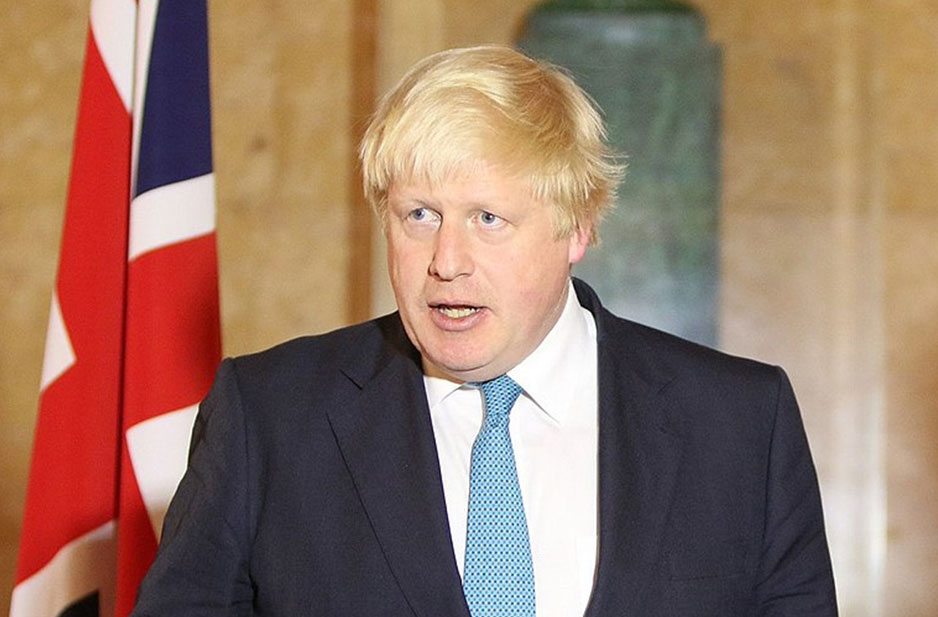
The UK government has warned of "tougher measures" if people do not follow the latest coronavirus restrictions. In a television broadcast Prime Minister Boris Johnson said "we must reserve the right to go further" if cases continue to rise.


Tighter restrictions were announced in all four UK nations. Mr Johnson warned they could last up to six months.


In England, people are being told to work from home if they can and rules on face coverings have been expanded. Pubs, restaurants and other hospitality venues will have to close by 22:00 BST, and the number of people allowed at weddings has been halved.


Meanwhile, the fines for breaking the rules will also increase to £200 on the first offence.

Hospitality venues will also have to close early in Scotland and Wales - but Scotland has gone further, banning people from visiting other people's homes from Wednesday. Northern Ireland has also already banned households mixing indoors.


The government's chief medical adviser, Prof Chris Whitty, is understood to believe it is inevitable England will to have to follow Scotland's latest move, according to the Times.

Conservative MPs also expect limits on visits to households to be "the next step".


"They don't like it but they could probably live with it," he said, though he added that if the government went further with restrictions on the hospitality sector "that would really create insurrection on the Tory benches". The PM will face further scrutiny from MPs in the House of Commons during Prime Minister's Questions.


Defending the latest strategy, Foreign Secretary Dominic Raab said there was no "one silver bullet" but the range of measures introduced in England were "balanced, proportionate and targeted".


"Overwhelmingly the public have responded every time but increasingly there's been a small minority where compliance has frayed," he added.


He said that if people follow all the measures - and no one thinks they are immune - "we will get through this and we will get to Christmas not in a national lockdown".


Mr Johnson's warning that stricter measures could follow comes six months after the UK's coronavirus lockdown - first announced on the 23 March - which saw strict curbs on life to tackle the spread of the virus.


People were told to only leave home for one of four reasons, including shopping for food and medicine, exercise, medical needs and travelling to and from work "where absolutely necessary".


In his pre-recorded address from Downing Street, PM Johnson said he was "spiritually reluctant" to infringe on people's freedoms, "but unless we take action the risk is that we will have to go for tougher measures later, when the deaths have already mounted".


He added that while the vast majority have complied with the measures so far, "there have been too many breaches".


Former Labour home secretary Alan Johnson has since criticised the prime minister for suggesting the public is to blame for rising cases. People have been "extremely compliant and obedient" but the message hasn't always been clear, he said.


Meanwhile, former health secretary Jeremy Hunt has called for more "unifying messages" from the UK's four nations.


"Wherever possible it is much better to stick together, because simplicity of messaging is one of the things that will make the biggest difference in terms of complying with the rules," he said.


The devolved nations have their own powers over coronavirus restrictions, and their leaders made separate televised addresses.


Scotland's Deputy First Minister John Swinney acknowledged the new rules banning people from visiting other people's homes were "difficult and disruptive" and said they would be reviewed every three weeks.


"No one wants to have this in place a moment longer. The more public compliance, the more successful we will be," he said.


Wales' First Minister Mark Drakeford urged people not to let the virus "take a hold of our lives again", and Northern Ireland's First Minister Arlene Foster said tougher restrictions should act as a "wake-up call" that "we are not out of the woods".


A major new scheme to help people and companies embrace the digital revolution has been launched in the West Midlands with aim of protecting thousands of ‘at risk’ jobs from the impact of Covid-19.

The new Foundation Certificate in Digital Skills, which is being funded by the West Midlands Combined Authority (WMCA), will give individuals access to a series of online masterclasses that will equip them with the fundamentals of Digital Transformation, Artificial Intelligence, Robotic Process Automation and Smart Thinking.

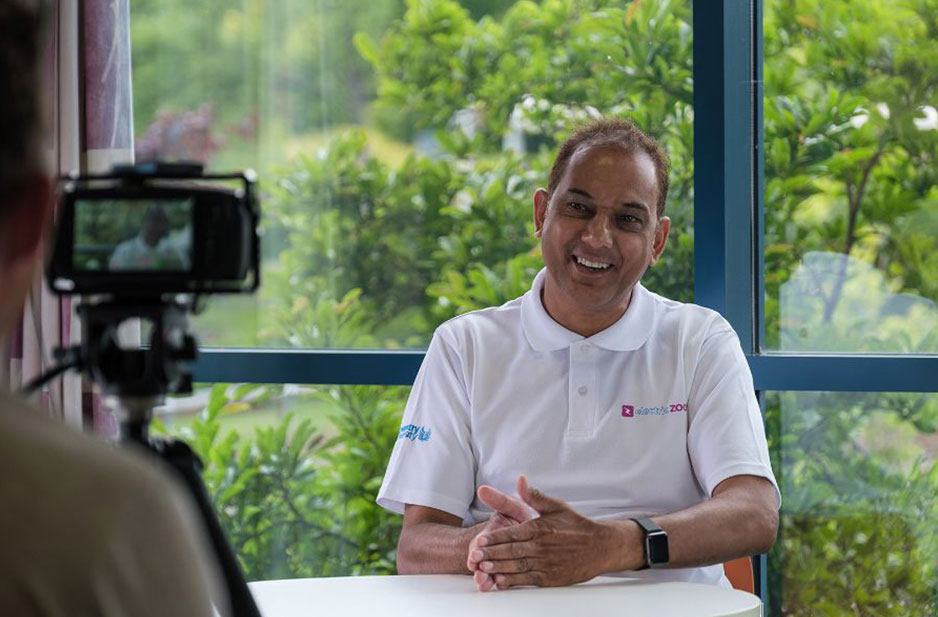
Delivered by Scale and Scope and global online learning platform Elevate.ac, the sessions will be delivered by digital expert Omer Atiker, with learners also able to access three more virtual presentations covering anything from Art Means Business and Exceptional Leadership, to Working from Home and an insight into Electric Vehicles.

More than 2000 people from across the region have already signed up, with thousands more free places available for individuals looking to upskill and firms keen to redeploy members of staff to other areas of their business.

“There’s a lot of uncertainty in the region at the moment and we want to do everything we can to equip people with the type of skills companies are increasingly looking for,” explained Matthew Snelson, Managing Director of Scale & Scope.

“Digital is where the business world is going and we have been able to secure funding that gives us free access to Elevate.ac, which is one of the leading virtual learning platforms in the world.”

He continued: “It’s like the ‘Netfix’ of digital skills courses, with participants able to log-in and take four mandatory courses and three masterclasses to suit their specific role or interests, in order to secure the certificate.

“We’re targeted two main groups…people out of work and looking to make themselves more employable for new opportunities and companies who are embracing digital transformation and need to upskill workers in order to keep them in jobs.”

The Digital Foundation Skills Certificate can be completed over the next three months and at a time that is convenient for participants, with people encouraged to sign up by the end of September.

Masterclasses are all professionally created and delivered by experts in their field over a series of bite-sized chapters. They will offer practical advice, insights into new trends and how your new-found knowledge can be applied to everyday jobs.

Rob Clarke, Founder of Elevate.ac, went on to add: “For candidates completing the programme, we are also creating pro-memberships of Elevate.ac where individuals can post their video profiles and get coaching from the team to help them gain employment.

“Alongside the Digital Foundation Certificate, the pro-membership package is valued at £2500.


“Our project will create a pool of people ready for employment, as well as a fantastic opportunity for companies and start-ups to become better placed to make the most of digital opportunities.”

He concluded: “The West Midlands Combined Authority has been behind this initiative from day one with support and funding to make it happen. It fits with the organisation’s bid to protect as many jobs from Covid-19 as possible and is part of its desire to make us a world class digital region.”

For individuals in the West Midlands area, send an email to This email address is being protected from spambots. You need JavaScript enabled to view it. for your fully funded VIP access pass to the Digital Skills Certificate.

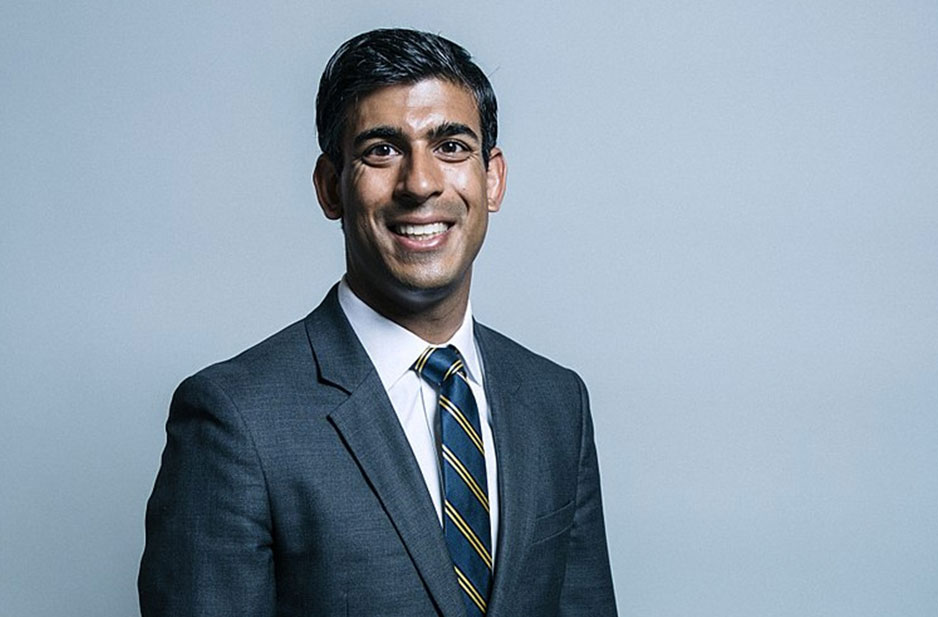
Chancellor Rishi Sunak is to make an announcement about what happens after the furlough scheme expires at the end of October.


"I will update the House of Commons on our plans to continue protecting jobs throughout the winter," he tweeted.


The move comes after a day of mounting pressure on the government.


He is understood to be looking at options including a salary top-up scheme, similar to those already operating in France and Germany.


At the same time, the Treasury said there would be no Budget this autumn.

"Now is not the right time to outline long-term plans - people want to see us focused on the here and now," it said in a statement.


During Prime Minister's Questions, Boris Johnson was urged to act swiftly by Labour and SNP MPs to prevent what one called a "tsunami of job losses".


Labour leader Sir Keir Starmer warned there could be a "wave of job losses this winter" if the government does not provide the right economic support when the furlough scheme ends.


In a televised response to the Prime Ministerial Broadcast, Sir Keir called for a "Plan B" for the economy - "because it makes no sense to bring in new restrictions at the same time as phasing out support for jobs and businesses."


In a recording, filmed just before news broke that the chancellor will make an announcement tomorrow about what happens after the furlough scheme expires at the end of October, he said: "There was nothing in the Prime Minister's statement last night to protect people's jobs, businesses or our town centres and high streets.


The PM said Mr Sunak was working on "creative and imaginative" solutions.

Although the Treasury has declined to comment, possible ideas are thought to include allowing firms to reduce employees' hours while keeping them in a job, with the government paying part of the lost wages.


The German "Kurzarbeit" scheme and its French equivalent have attracted much attention in the UK from employers and trade unions alike, with both the CBI and the TUC in favour.

They fear unemployment could spike when the furlough scheme ends, as firms struggle to keep workers on the payroll.


Bank of England governor Andrew Bailey called on the government to "stop and rethink" the furlough scheme, although he did not back any particular alternative.


Julian Metcalfe, the boss of the Itsu restaurant chain and founder of Pret a Manger, said the PM needed to show leadership rather than "spouting off some Churchillian nonsense that we'll make it through (the winter)".


"The repercussions of these six months, it's going to be devastating to so many people," he said.


"People in the hospitality industry, people in work in hotels and restaurants and takeaways and coffee shops - a great many are closing down. We're losing thousands upon thousands of jobs here.


"How long can this continue, this vague 'work from home'?"


What are the possible options?


  • Germany's Kurzarbeit: The employer cuts workers' hours and the government pays them a percentage of the money they would have lost as a result. It is a long-established scheme, but it has been revised during the pandemic. It can now run for up to 21 months and the percentage of lost wages paid by the government can now be as high as 80%.
  • France's "chômage partiel": The French scheme, known as "partial unemployment" or "partial activity", also pre-dates the coronavirus pandemic. Firms are allowed to cut employees' hours by up to 40% for up to three years. Employees still receive nearly all their normal salary, with the government paying a percentage of the cost.
  • The CBI's suggestion: A wages top-up from the government should be available provided that employees can work at least 50% of their normal hours. The firm would pay the actual hours worked in full, but the employee would get paid for two-thirds of the lost hours, with the cost shared between the company and the Treasury. The subsidy would last up to a year.
  • The TUC's suggestion: A more generous version of the above. Employees could work a smaller proportion of their normal hours and still be eligible, while they would be guaranteed 80% pay for the hours lost, or 100% if they are on minimum wage.


While there are fears that the cost of a replacement furlough scheme could damage the economy further, others argue that continued government support for jobs is needed to stop unemployment surging from November. Advocates of a salary top-up scheme also point to the fact that both France and Germany have extended their schemes to run for the whole of next year.


A short-time working programme could also be cheaper than the furlough scheme, which guarantees 80% of employees' wages up to a cap of £2,500 a month. That scheme has cost £39.3bn so far, while the Germans estimate that the bill for Kurzarbeit during the pandemic will reach €33.5bn (£31bn) by the end of 2021, although that naturally depends on the progress of the pandemic.


During the weekly Prime Minister's Questions, Mr Johnson came under pressure from MPs from all sides to act quickly to help those businesses hit hardest by the new restrictions on economic and leisure activity.


Citing Whitbread's announcement that it planned to cut up to 6,000 jobs in the UK, Labour leader Sir Keir Starmer said the threat to employment was "not theoretical".


"The CBI, the TUC, the Federation of Small Business, the British Chamber of Commerce and the Governor of the Bank of England are all calling on the PM to stop and rethink and don't withdraw furlough," he said. "We have been saying it for months. When is the prime minister finally going to act?"


The SNP's Westminster leader Ian Blackford said 60,000 workers in Scotland faced being "sold onto the scrapheap" if the furlough scheme was not extended while Labour's Graham Morris said there was a risk of "a tsunami of job losses in the pipeline within 38 days".


In response, the PM acknowledged many firms faced "very difficult circumstances" and although an "indefinite extension" of the furlough scheme was out of the question, further support was being worked on.


"That is why we are looking at a massive package of investment in jobs and growth in the short, medium and long term," he said. "In addition to the package I set out yesterday, there will be creative and imaginative measures from the chancellor to help people through this crisis."




In response to the biggest threat to heritage in decades, The National Lottery Heritage Fund has awarded £11.5m to 235 organisations in the Midlands & East of England. The funding will aid the preservation and safeguarding of the area’s heritage in the face of the coronavirus (COVID-19) crisis

The Heritage Emergency Fund was set up at speed in late April in recognition of the fact that the UK’s heritage would need significant help to survive the impact of the COVID-19 epidemic. Since then 234 grants have been awarded across the Midlands & East of England to cover costs including core staff, essential maintenance and utility costs and safe reopening, saving swathes of organisations from permanent closure. The fund closed at the end of July, with final grants awarded last week.   

Anne Jenkins, Director, England, Midlands & East at The National Lottery Heritage Fund, said: “Heritage across the Midlands & East has faced a challenge like no other seen before in COVID-19 pandemic. As a funder, we knew that those dedicated to safeguarding and preserving our treasured heritage would need substantial support, and we worked extremely hard and against the clock to refocus our funding programme and get grants out the door. We are really proud that our funding has been able to support such a diverse portfolio of organisations and groups to weather the crisis and continue their work at this difficult time. Sadly, we cannot save everyone and we know challenges still exist for many and that obstacles still lie ahead, we are grateful that thanks to National Lottery players we have been able to support so many.”

Grants were awarded across the full breadth of heritage, from historic sites, industrial and maritime heritage, museums, libraries and archives to parks and gardens and landscapes and nature. They also went to charities supporting vulnerable and marginalised communities, and organisations exploring and supporting the UK’s cultural heritage.  

Many green spaces such as nature reserves and parks stayed open during lockdown and grants were used to help keep wardens working, care for livestock and native species, maintain paths and landscapes and deal with litter. Funding was also used to help many museums and historic houses to care for their collections and buildings while they were closed, as well as enable a number of them to safely reopen as restrictions lifted.  

The highest proportion of Heritage Emergency Fund grants in the Midlands & East went towards supporting organisations that manage historic buildings and monuments (28%), followed by groups who explore our culture and memories (23%), and those who care for our museums, libraries and archives (20%).

Examples of heritage in the Midlands and East of England which might have been lost without grants include: 

  • The much-loved Wicksteed Park in Kettering was granted £247,000 following the limited company that ran the site went into administration. The funding is being used to continue to support free access to the park and for costs including those to look after its animal attractions, including zoolab and the aviary.
  • The Polish Expats Association was awarded £30,000 to adapt their services to continue supporting their increasingly vulnerable community. Funds will also go towards helping them re-open their building, which is home to valuable Eastern European cultural items and artwork.
  • One of the oldest purpose-built cinemas in the UK, Harwich Electric Palace, were able to purchase PPE and other equipment for a safe re-opening, as well as undertaking business and sustainability planning, thanks to a grant of £11,300. 
  • Whittington Castle in Shropshire was awarded £52,400 for recovery and reopening costs, ensuring that the Grade I listed treasure would not face permanent closure.
  • Wildlife Trusts across the Midlands & East, from Herefordshire to Suffolk were granted funding in order to continue their important work in safeguarding the nature and wildlife of the area.


The National Lottery Heritage Fund continues to offer support for heritage organisations across the UK affected by the crisis, through continued support for 2,500 projects where funding of £1.1bn is already committed, and an additional £1.2m investment in the Digital Skills for Heritage initiative to help the sector through the crisis and beyond, producing guides and delivering webinars to support organisations pivoting to digital – many for the first time.  


From Israel to Ethiopian, the US to Germany, South Africa, Ghana, the UK, Ukraine, Bahamas, Brazil, Bosnia, China and countries the length and breadth of today’s world millionsthe world's Jewish population will gather to mark the Jewish New Year.


And with those identifying as Jews above all else, the "connected" Jewish population, including those who say they are partly Jewish or that have Jewish background from at least a single Jewish parent, mark Rosh Hashanah, which is traditionally the time for big, family get-togethers.


Representing a time of asking for forgiveness of sins, many Jews believe that God keeps a Book of Life with the names of everyone who is sorry for what they have done wrong. At Rosh Hashanah, Jews hope that they and their loved ones will be written in the Book of Life.


Judaism teaches that God decides on the first day of the year who will be forgiven, so they will ensure they apologise to everybody they have been unkind to during the past year. God makes his final judgement on Yom Kippur which means Day of Atonement.


Yom Kippur is marked by Jewish people in a number of ways:


  • some wear white as a symbol of purity
  • no food or drink is consumed for 25 hours
  • no make-up or perfume is worn
  • no sexual intercourse
  • no bathing
  • no leather shoes are worn


The most important part of Yom Kippur is the time spent in the synagogue. Many Jews who are not particularly religious will nevertheless want to attend synagogue on Yom Kippur, the only day of the year with five services.


The day is spent in continuous prayer for forgiveness. This festival is a time of reflection for Jews. The services end with a long blast on the shofar.


But, of course, this year, through the worldwide coronavirus pandemic and country’s cities under lockdown, pilgrimages to synagogues, and the like, has made the annual two-day celebration which usually takes place in September or October that marks the Jewish new year.


The event, which usually begins at sundown, customarily with the blowing of the shofar, the ram’s horn, which is meant to wake up people from their slumber, is the anniversary of when God created Adam and Eve. Usually, a prayer service is held in a synagogue where an instrument made from the horn of a kosher animal (known as a shofar) is blown.


Marking the occasion, as many look to Israel as the centre of celebrations, equally so those will be going through their own Rosh Hashanah in the most ancient of EthiopianSephardi, and Mizrahi Jews of North Africa Jewish communities in the afore mentioned continent.


But, however, the restrictions around religious ceremonies and access to places of worship, though varying from country to country, and region to region due to the Covid-19 outbreak, could never prevent tzedakah, or giving back to those in need.


Rosh Hashanah (the head of the year in Hebrew) will forever see people carrying out good deeds in the hope that God will mark their names in the Book of Life, which will give them a happy and fruitful year ahead.


With Israel, who, just like too many other countries, currently has one of the highest Covid-19 infection rates in the world - entering its second nationwide lockdown to curb surging coronavirus cases, the new national lockdown is making the powers-that-be widely unpopular, with protests taking place before it came into force.


The nation’s Prime Minister, Benjamin Netanyahu, warning that, if necessary, he will not hesitate to impose harsher restrictions.


The restrictions are the most extensive imposed there since the first lockdown, which ran from late March until early May.


Rosh Hashanah and Yom Kippur marks the opportunity for Jews to ask questions about their actions and life throughout the year.


And for that, the most common greeting to hear during this occasion is L’shanah tovah, which means ‘for a good year.’ You can also say ‘Shanah Tovah um’tukah’, which means ‘may you have a good and sweet new year.’


But for that, as everywhere else, it will not stop Shana Tova, which is the shortened greeting for Rosh Hashanah, which cuts down from the traditional greeting of ‘L’shanah tovah tikatev v’taihatem’, which in turn means ‘may you be inscribed and sealed for a good year.’


Shanah Tovah!


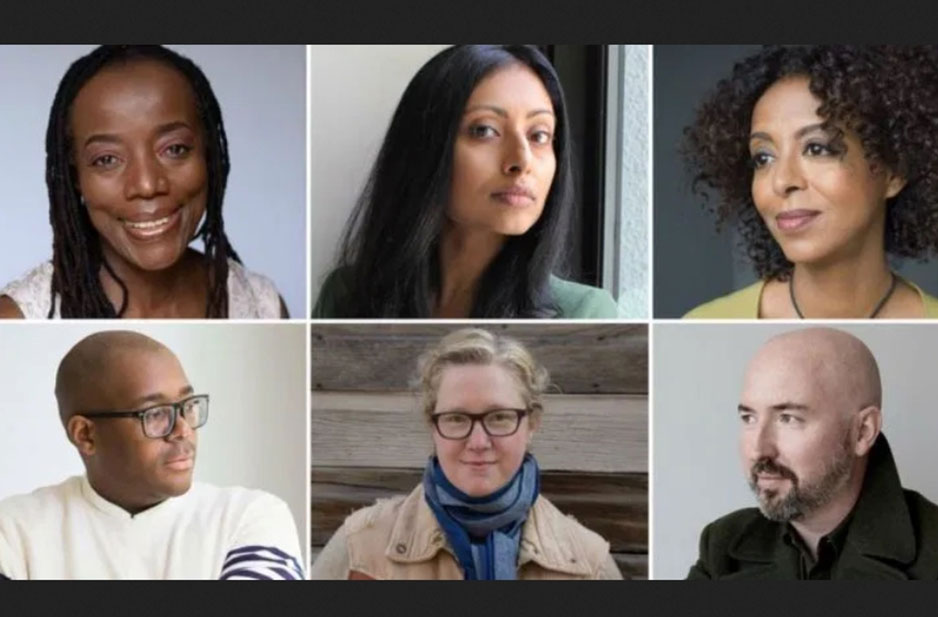
Four new novels have been included on the shortlist for this year's Booker Prize, with nominees including Diane Cook, Tsitsi Dangarembga, Avni Doshi, Maaza Mengiste, Douglas Stuart and Brandon Taylor - all of whom are based outside the UK.


As the UK's most prestigious literary award, the Booker Prize is open to any novel written in English by an author of any nationality.


The topics covered by the six nominees are wide-ranging, including stories about climate change, the hardship of life in Zimbabwe, dementia, and the women soldiers of 1935 Ethiopia.


Margaret Busby, chair of this year's judges, said: "The shortlist of six came together unexpectedly, voices and characters resonating with us all even when very different.


"We are delighted to help disseminate these chronicles of creative humanity to a global audience."


A surprising omission from the list is two-time winner Hilary Mantel has missed out. Mantel had been tipped for a record third win for The Mirror and the Light. Both previous titles in her trilogy about the life of Thomas Cromwell, Wolf Hall and Bring Up the Bodies, had won.


On that, judge, Lee Child, said: "We thought it was an absolutely wonderful novel, no question about it... but there were books that were better, that's all I can say personally."


The full 2020 Booker Prize shortlist is:


  • Diane Cook - The New Wilderness
  • Tsitsi Dangarembga - This Mournable Body
  • Avni Doshi - Burnt Sugar
  • Maaza Mengiste -The Shadow King
  • Douglas Stuart - Shuggie Bain
  • Brandon Taylor - Real Life


The winner will be announced on November 17.


Last year saw Margaret Atwood and Bernardine Evaristo share the £50,000 prize, breaking the Booker's own 1992 rule of awarding it to only one author.


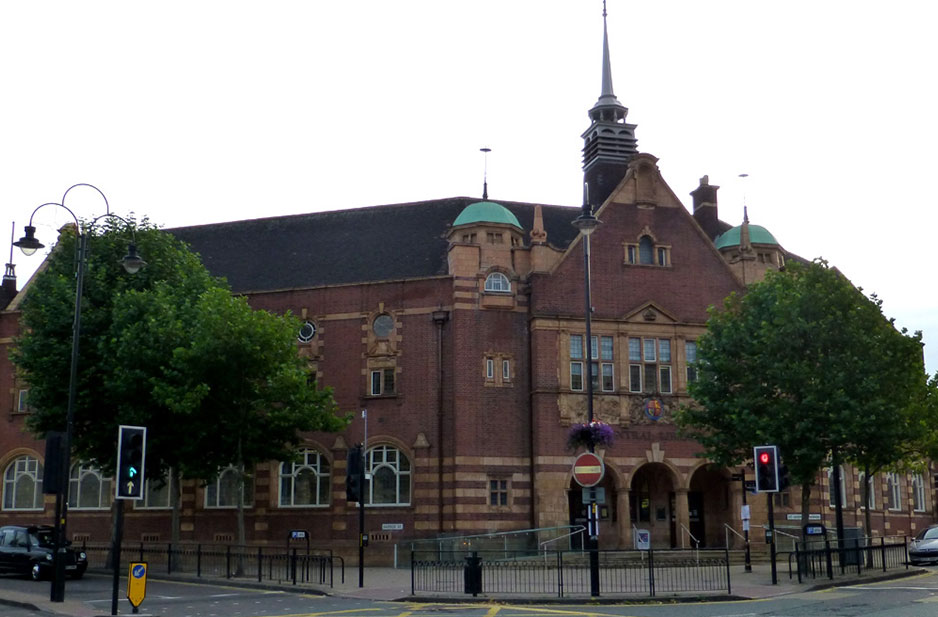
The City of Wolverhampton Council is planning a phased reopening of the city’s library service. Although the city’s 16 libraries closed their doors to customers at the start of the coronavirus lockdown in March, members have been able to enjoy a host of digital services since then – and physical books and other items were made available once more last month.

Councillor Stephen Simkins, the City of Wolverhampton Council's Cabinet Member for City Economy, said: "Cases of Covid-19 in Wolverhampton have jumped in recent days and we cannot afford to let our guard down in our fight against the virus.

"That's why we are taking a careful and cautious approach to the reopening of all our services, including the city's libraries. The safety of staff and customers is our top priority, and it should be remembered that a good proportion of library members are older people and at greater risk if they were to contract Covid-19.

"We have been working hard to recommence library services. We launched the We Select, You Collect service at Central Library on 3 August, enabling members to pre-order books and other items online or over the phone and then collect them at a pre-arranged time.

"This was rolled out to Warstones, Wednesfield and Bilston libraries two weeks later and is proving very popular with customers. Over 700 bags of books have been collected so far, and members can request items via the online library catalogue at www.wolverhampton.gov.uk/libraries, by emailing This email address is being protected from spambots. You need JavaScript enabled to view it. or by calling us on 01902 552025.

“Also on 3 August we were able to restart our Home Library Service for vulnerable housebound residents. The service is available to customers of any age who, because of illness, disability or frailty, are unable to visit their local library, and to carers who have difficulty accessing the library service due to their caring responsibilities. It has delivered around 1,500 items and welcomed a dozen new customers in the last month.

"In addition, library members continue to be able to access a wide range of bestselling eBooks and eAudiobooks for free via the BorrowBox library on their phone, tablet or computer. Since lockdown began, nearly 13,600 eBooks and eAudiobooks have been downloaded through this popular service.

"Our considered approach to reopening our libraries is consistent with many other areas and will continue to be informed by professional and government guidelines and Covid-19 infection rates locally.

“We hope to be able to increase the range of services available in the coming months, including reintroducing limited browsing and PC access in due course, and we thank customers for continuing to support our libraries at this time.”

Library members are advised that all books and other items currently out on loan have been automatically renewed until 30 September, so no fines will accrue before that time. Items can also be dropped off at dedicated collection points at Central Library, Warstones Library, Wednesfield Library and Bilston Library or renewed online or over the phone.


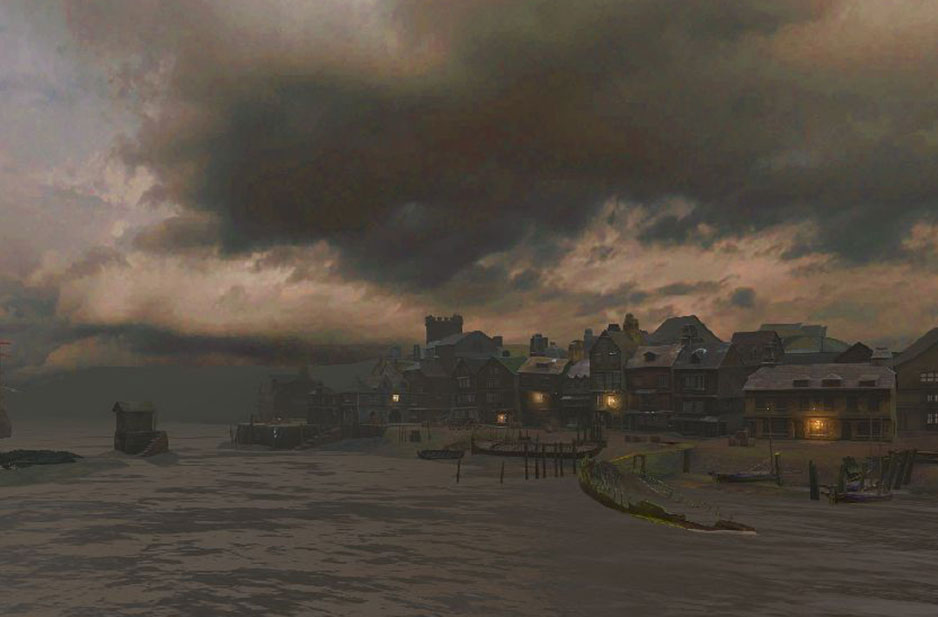
Experts have developed a Virtual Reality (VR) reconstruction of the Mayflower that will mark the 400th anniversary of the Pilgrim Fathers setting sail for America. The Virtual Mayflower project recreates the Barbican Harbour area in Plymouth in the 1620s - allowing the VR user to board a small boat at the original site of the Mayflower Steps before taking a short journey out to the ship and experience passengers and crew preparing to set sail.

Led by VR experts at the University of Birmingham, the project was six years in the making and uses computer-based interactive technologies, such as Virtual and Augmented Reality (AR) to recreate history.The project will be live online at www.1620mayflower.co.uk to coincide with the anniversary of the Mayflower’s departure from Plymouth on 16 September 1620. The Project has been led by Professor Bob Stone, Director of the Human Interface Technologies (HIT) Team at the University of Birmingham, himself born and bred in Plymouth but now living in Droitwich Spa, the birthplace of senior Pilgrim Edward Winslow, who was instrumental in the establishment of Plimoth Plantation and cementing a strong, early relationship with the Native Americans. 

Professor Stone commented: “Virtual Mayflower is a magnificent way to commemorate a key point in history that shaped the development of the United States - an immersive experience that transports the viewer back to Plymouth in 1620.As well as being a great demonstration of the power of VR and AR technology, this has been a collaborative and educational exercise involving members of the public, local historians, schoolchildren, artists and actors - all contributing to the development of highly detailed and authentic virtual models and scenes.” 

Professor Stone and the HIT worked with a range of partner organisations on the project, including Royal Leamington Spa College, responsible for developing the virtual Pilgrims – Barbican inhabitants, plus the passengers and crew (including an avatar of Edward Winslow), and Plymouth-based Bluestone 360, who will be hosting the simulation online.  Specialist digital artists and VR specialists Robert Guest and Chris Harvey coordinated the development of the 3D assets.

The project builds on the HIT team’s extensive maritime heritage work since the early 2000s, including the creation of a VR/AR visualisation of the Anne - a 70-gun ship of the line, launched in 1678 and beached at Pett Level, east of Hastings during the Battle of Beachy Head in 1680. The Anne’s remains lay buried under the sands at Pett Level Beach, until the storms of 2013 exposed the ship. 

“Virtual Mayflower presented more of a challenge than the Anne, as we wanted the project to both collaborative and educational,” Professor Stone commented. “We also developed an international partnership, involving groups and talents in the USA such as Plimoth Plantation and schools in Plymouth Massachusetts to deliver a truly ‘hands across the Atlantic’ cultural legacy.”The team has also been developing VR and complex navigational animation sequences for the Plymouth-based company MSUBS, as part of their Mayflower Autonomous Ship project, a vessel that has been designed to reproduce the transatlantic crossing of the Pilgrims using state-of-the-art maritime sensing and AI technologies.

The Pilgrim Fathers founded the settlement of Plymouth, Massachusetts - the first permanent colony in New England. Of the 102 colonists, 35 were members of the English Separatist Church who had earlier fled to Leiden, in the Netherlands, to escape persecution at home.

Earlier this summer, British Athletics ran a series of ‘Let’s Talk About Race# roundtables, bringing together voices from across the athletics community to discuss Race, and we can now provide an update regarding the next stage of activities. 

British Athletics will be hosting a series of focus groups for Athletes, Coaches, Officials and Clubs, plus groups looking at our approach to Communications, and Training and Development, to prioritise actions moving forward. Several contributors from the initial roundtables have agreed to continue the conversation with the governing body to assist in bringing together a clear action plan for the sport.

Using the insights collected during the 17 ‘Let’s Talk About Race’ sessions in June and July, these groups will seek to analyse the discussions and produce three to four key recommendations which will be delivered to British Athletics’ Chair, Nic Coward, and CEO, Joanna Coates, in October.

Later in the year the agreed recommendations will be submitted as part of the 2021-2024 Diversity Action Plan. 

The focus groups will be chaired by individuals from across the sport, with the support of Equality, Diversity and Engagement Lead at British Athletics, Donna Fraser.

Chairs of the focus groups:

Athletes: Imani Lansiquot and Yannick Phippen
Coaches: Michael Afilaka
Officials: Melanie Anning
Clubs: Marcus Opoku
Training and Development: Mark Draisey
Communications: Sabrina Pace Humphreys

Recently appointed Equality, Diversity and Inclusion Advocate, Imani Lansiquot, and Yannick Phippen will Chair the athletes group, while British Athletics’ Executive Champion for Race, Mark Draisey, will head up the Training and Development discussion.

Michael Afilaka, who has coached several athletes throughout his career including world silver medallist, Ashleigh Nelson, will lead the Coaches group. Melanie Anning, who has been involved in the sport since the age of nine in various roles as an official, parent of an athlete and currently as a masters athlete, will lead the Officials discussion. Meanwhile, Marcus Opoku, a level 2 Official and parent of a junior athlete, and Sabrina Pace Humphreys, co-founder of community and campaigning group, Black Trail Runners, will chair Clubs and Communications respectively.

UK Athletics CEO Joanna Coates said: “This is a significant step in our pursuit to drive change in our sport. I would like to thank all of those who contributed to the initial Let’s Talk About Race sessions, and I also extend that appreciation to those who have volunteered to continue being a part of the conversation in this crucial next stage.

“The focus groups will magnify the important points raised so far which are essential for our 2021-2024 Diversity Action Plan, so I look forward to seeing the recommendations in the next few months.”

Donna Fraser, Equality, Diversity and Engagement Lead at UK Athletics, said: “These focus groups are a crucial part of our work on Race, and I am so pleased that we have several individuals across the athletics community who have stepped up to be part of this journey, either as a Chair of the sub-groups, or volunteering their time to continue this significant work.

“Thanks also to Lorna Dwyer and Abdul Buhari who have supported me during the ‘Let’s Talk About Race’ sessions earlier this summer and continue to be important players in this crucial project we are undertaking.”

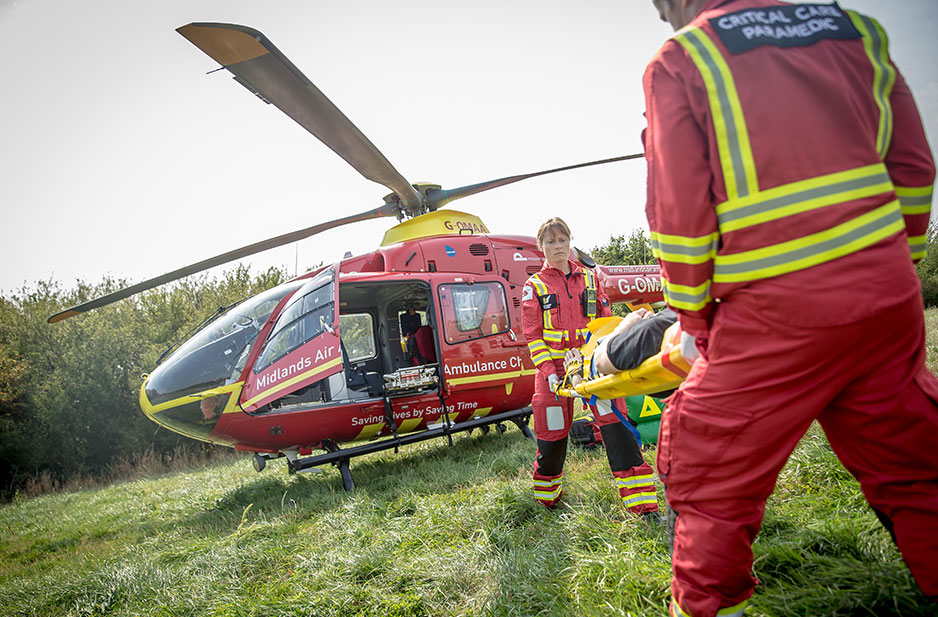
It is just seven days to go until Air Ambulance Week 2020 takes off across the UK celebrating the lifesaving work of Midlands Air Ambulance Charity and the UK’s other 20 air ambulance charities from 7th to 13th September.
 
The week will highlight how Midlands Air Ambulance Charity and other air ambulance operators save lives every day right across the nation by providing a rapid response emergency service directly to some of the most critically ill and injured patients, because every second counts.
 
Members of the public are being urged to show their support and help its local air ambulance charity to continue providing lifesaving care by donating to Midlands Air Ambulance Charity’s online bucket collection in one of the following ways:

justgiving.com/campaign/maaconlinebucketcollection
Alternatively, you can send a one off donation direct to the charity through its website: midlandsairambulance.com/donatenow
Or if you prefer to text to donate, you can do so by simply, texting MISSIONPOSSIBLE as one word, followed by the amount of your choice to 70085. (For example, MISSIONPOSSIBLE £3). Please note, you will be charged your donation amount and one standard rate message.
 
The charity’s clinical and operational team including critical care paramedics, flight doctors, pilots, engineers and dispatchers help provide vital lifesaving care, wherever it is needed. Each year, Midlands Air Ambulance Charity is deployed to an average of over 3,500 missions.
 
Midlands Air Ambulance Charity’s daily missions are funded entirely by you – the generous people and businesses located in the communities it serves. Your continued support saves the lives of the Midlands most critically ill and injured patients when they are most in need. Each air mission undertaken by the charity costs an average of £2,500, with the charity’s two critical care car missions costing approximately £224 each.
 
Emma Gray, fundraising and marketing director for Midlands Air Ambulance Charity, says: “Now more than ever, we need your support to enable us to keep saving the lives of the critically ill and injured in Gloucestershire, Herefordshire, Shropshire, Staffordshire, the West Midlands and Worcestershire.
 
“Since the beginning of the COVID-19 pandemic, we have faced many challenges, including a significant drop in donations as the economic effects of the pandemic take hold. Our crew have not stopped, therefore we urge that your support for air ambulance charities does not stop.”


There has never been a better time to get out into Birmingham and enjoy some great attractions while they are relatively quiet. To help with this a new website and publication has been launched detailing things open to enjoy in Birmingham.
 
Speaking of this new initiative Jonathan Berg, Editor of Discovering Birmingham Experiences says: “Birmingham has so many things to see and do and we are focussed on supporting attractions as they reopen. It is so important for our mental and physical health to get out and enjoy the city, and the city needs us all to retain its vibrancy. We give lots of ideas to local people on the places in Birmingham that have worked so hard to securely reopen and welcome us back.”
 
As attractions reopen new procedures have been put in place to ensure that they are Covid-19 secure. Many now display the ‘We’re good to go’, Visit Britain quality mark to showing health and safety audits and new ways of operating are in place.
 
Jonathan Watkins, Director of Ikon Gallery in Brindleyplace, says: ‘We reopened in August with our same friendly spirit but with the interesting frisson of face masks, sanitiser and social distancing. Our artistic experience is as safe as it is exciting. The Discovering Birmingham Experiences initiative is timely, but also important as we revisit changing roles of city centres.”
 
This initiative is supported by the key city attractions including those that have reopened as well as those still working hard on ways to welcome you back soon.


At a time where many youth/art centres have closed down, Eloquent Arts Centre is in the process of opening their doors to something truly special and needed for the young people in Birmingham.

The team at Eloquent Praise & Empowerment Dance Company have previously done a lot of work within the Birmingham community, which has driven their inspiration for this new project.

Directors, also mother and daughter duo Romanah Malcolm (pictured on the right) and Janice Davis (pictured on the left) said: “On the back of the work that we have been doing in the community for the previous 6 years, we also recognised a need for a space/ a home away from home for those who want to explore and develop their creative arts, build business ideas and other opportunities.”

It will be a multi-purpose hub, committed to providing a safe space for creative arts development, business and community. This will be an open space for creatives to grow artistically and unleash their full potential. It will hold several studios including dance and music studios, classrooms, photography rooms and much more.

On opening their doors - just off the Aston Expressway - they say they will be paying close attention to government guidelines regarding Covid-19 to assure the safety of their staff and visitors by taking the necessary steps in receiving guidance from Public Health England to ensure all who attend are adhering to social distancing guidelines and kept safe throughout the duration of the launch event.

Not only is the arts centre a pivotal part for the arts community, it is also built with a focus to create new and exciting opportunities for the BAME communities within the area.

The directors explains: “At a time where people have become more culturally sensitive, due to the disproportionate way Covid19 has affected BAME communities and the more widely spread awareness around Black Lives Matter, it is important for us to open up our doors to engage the BAME community within Eloquent Arts Centre.”

The team believes the impact of the arts centre will strengthen families, engage young people, build confidence, connect the disconnected and develop future leaders and creatives who will contribute to our wider society.

Well-known Midlands’ personalities pledged their support today for the Hospice that cared for their partners in the final months of their lives.

West Bromwich Albion legend, Brendon Batson OBE and former ITV Central News anchor, Llewela Bailey donned white feather badges to encourage people to support Birmingham St Mary’s Hospice and its Resilience Fund Appeal. 

Batson and Bailey’s spouses were both cared for by Birmingham St Mary’s doctors and nurses during their illness and up to the very end of their lives. Their gratitude and appreciation for the care they received led them to back the Hospice’s urgent appeal for support during the coronavirus crisis. 

The Selly Park based Hospice charity provides free care and support to individuals and families across Birmingham and Sandwell who are living with life-limiting illness.

Doctors, nurses and frontline staff at Birmingham St Mary’s have been caring for people with life-limiting illnesses throughout the pandemic – including those who have been diagnosed with COVID-19.  Despite its crucial role, the charity has seen a huge drop in its income during the pandemic.

All 17 of its charity shops had to temporarily close, and all community activities, corporate partnerships and fundraising events have been postponed. It costs £23,288 to run the hospice every day; £14,000 of this coming from fundraising and donations. 

Brendon said: “I’m supporting Birmingham St Mary’s Resilience Fund Appeal because I know first-hand how important their work is. When my beloved wife Cecily was diagnosed with a brain tumour back in 2009, my family and I were so grateful for the care and kindness she received from Hospice nurses which allowed her to stay with us at home.

“The Hospice needs people’s support more than ever before, so I urge people to get behind the appeal and donate whatever they can, to keep these vital services running.” 

The appeal’s emblem is a white feather, symbolising the memories of loved ones who are no longer with us, but also as a sign of hope and determination that brighter days are ahead.

Birmingham St Mary’s has created ‘Remembrance Feathers’ and is asking the local community to write messages of personal remembrance and celebration, to then be sent  back to the Hospice.

Llewela said: “I’m dedicating a feather to my husband Martin, who was cared for by Birmingham St Mary’s. The Hospice will always be close to my heart after the amazing care he received and the support my family and I received during the most difficult of times.

Now the Hospice urgently needs the community’s support, so it can keep on providing compassionate care to families like mine. I’m asking people to donate to the Appeal and to wear the white feather with pride.” 
 
People wanting to find out more about the appeal and donate should visit: birminghamhospice.org.uk/resilience.

As schools in England, Wales and Northern Ireland prepare to reopen, in a message to parents Prime Minister Boris Johnson has said it is "vitally important" children go back to school, with the life chances of a generation at stake.

Also saying that the risk of contracting coronavirus was "very small", he said that it is far more damaging for a child's development and their health... to be away from school any longer.

His words echoed those of the UK's four chief medical officers who have all signed a joint statement alongside deputy chief medical officers to reassure parents schools could mitigate risks during the pandemic.

Pupils in England, Wales and Northern Ireland are due to return to school in the coming days and weeks. In Scotland, schools have already reopened.

The PM said in a statement released on Sunday evening that he thanked school staff for spending summer "making classrooms Covid Secure".

"I have previously spoken about the moral duty to reopen schools to all pupils safely," he added.

"We have always been guided by our scientific and medical experts, and we now know far more about coronavirus than we did earlier this year."

Citing comments from England's chief medical officer Prof Chris Whitty, Mr Johnson said that "the risk of contracting Covid-19 in school is very small and it is far more damaging for a child's development and their health and wellbeing to be away from school any longer".

"This is why it's vitally important that we get our children back into the classroom to learn and to be with their friends.

"Nothing will have a greater effect on the life chances of our children than returning to school."

Prof Whitty said in an interview at the weekend that children were more likely to be harmed by not returning to school next month than if they caught coronavirus.

He added: "There's also very clear evidence from the UK and around the world that children much less commonly get a severe illness and end up having to be hospitalised if they get symptomatic Covid."

According to the Office for National Statistics' latest data on ages, there were 10 deaths recorded as "due to Covid-19" among those aged 19 and under in England and Wales between March and June - and 46,725 deaths among those aged 20 and over.

Of the more than one million children who attended pre-school and primary schools in England in June, 70 children and 128 staff were infected in outbreaks of the virus, according to a Public Health England study.

It is expected that pupils in Northern Ireland going into years seven, 12 and 14 will return to school full-time, with the rest going back from 31 August. In England and Wales, pupils will return to school from 1 September.

Teaching unions have said schools are being let down by the lack of a "plan B" as they prepare to reopen.

The NEU, the UK's largest teaching union, said more staff, extra teaching space and greater clarity on what to do if there is a spike in cases was needed for schools to reopen safely.

And the NASUWT teachers' union said the "critical importance" of social distancing and hygiene had been reinforced by the chief medical officers' statement - but more data was needed on the racial disparities of Covid-19.

Education Secretary Gavin Williamson wrote in the Sunday Times that he wanted to reassure every parent and pupil schools were "ready for them", and the autumn return to schools was "more important than ever". But he was later forced to defend taking a trip to see family in North Yorkshire this month, amid claims he missed a "crucial meeting" a week before A-level results were due.

Liberal Democrat Education spokesperson Layla Moran said the country and "seemingly the PM" had "lost faith" in Mr Williamson.

She said: "To restore confidence among parents, pupils and teachers the best thing the prime minister could do is sack him, rather than speak for him."


The website for booking new driving tests in England and Wales has crashed, after it re-launched following the coronavirus lockdown.

The Driver and Vehicle Standards Agency (DVSA) said it was aware some people could not complete their bookings amid "unprecedented demand", adding that it was working to fix the issue.

Many people complained on social media about being unable to access the site.

"Coronavirus has severely impacted our business as usual operations, including by stopping driving tests for many months as part of social distancing," a spokesman for DVSA said.

"Following unprecedented demand for the driving test booking system after its reopening, we are aware that some users have not been able to complete their test bookings.

"We are urgently working to fix this and apologise for any inconvenience caused to those who have been unable to book so far."

There were limited numbers of tests available, but more will be released on Monday, the DVSA said.

Test slots are only available up to six weeks in advance - to allow the DVSA to react quickly to any changes in government guidance on coronavirus.

People have also been advised to check nearby alternative test centres for availability if they are unable to book a test at their preferred centre.

Amy Hanley-McLean tweeted shortly that she had been trying to book a test all day.

"Got as far as choosing test centre only to see no availability at all at any of the test centres within 60 miles of me," she wrote.

"Then crashed again. Now all I am getting is 504 error!"

Louise Poyning described the booking process as an "absolute shambles".

"Okay, seven hours of refreshing and nearly four hours on hold is my limit," she tweeted.

The DVSA suspended all driving tests for up to three months from 20 March due to the coronavirus pandemic.

They have already restarted in England and Wales for people who had their tests cancelled because of the virus.

Tests are due to restart in Scotland on 14 September, but people in the nation are still unable to book a new driving test.