Colors: Purple Color

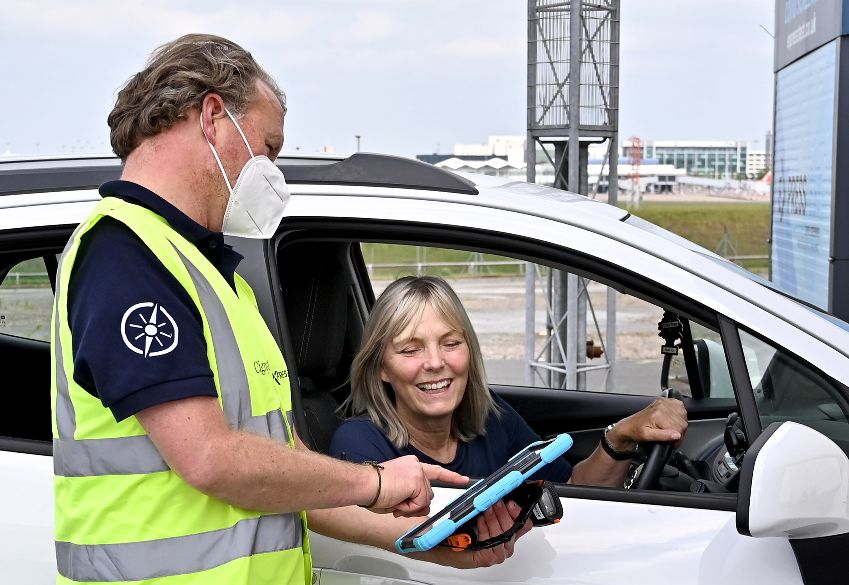
The British healthcare and testing company that provides rapid PCR testing for airline passengers at Liverpool John Lennon Airport, in partnership with Test Assurance Group (TAG) and Liverpool John Lennon Airport, has today warned that a ‘no mask’ policy for air travel could ignite a ‘set-back’ for the airline and travel industry to the start of the pandemic. 

Salutaris People warned that it was too early for airline passengers to be able to travel mask-free while the UK was still in the height of its vaccination programme, with a further 23 million people still not vaccinated. It added that the airlines and governments were ‘setting a very dangerous precedent by allowing passengers not to wear masks for air travel’. 
It is well documented that the initial spread of Covid-19 from an epidemic to global pandemic was fuelled by international air travel, with the virus mutating and infecting a large number of people in close proximity on aircraft and then spreading exponentially.

MD of AKEA Life, the clinical testing partner to Salutaris People, Ben Paglia, said: “Until we have a UK and global programme of vaccination in full flow, whereby a person has had two doses of a vaccination, then airline passengers should be advised to wear a mask during their transit and flight. It is a very dangerous and reckless precedent to allow a plane full of passengers to travel without face masks or coverings.

“Despite the amazing success of the vaccine, we do know that you can still catch Covid and infect other people. As there are still around 23 million people in the UK to be vaccinated, this presents a continued major health problem in the UK, as it affects the younger population. We also don’t know the longer-term effectiveness of the vaccines yet and how long vaccine immunity could provide protection for. Allowing passengers to travel without wearing masks could potentially set us back to the start of the pandemic when all air travel was banned.

“It would be sensible to allow people to not wear face masks in certain settings, but where you have public transport and air travel, or confined spaces and large gatherings it is wise to help reduce infections and transmission of the virus.”

Covid infections continue to rise on a daily basis along with increased hospital admissions, as 27, 334 people tested positive for Covid on Monday of this week (5th July). The Delta variant continues to dominate infection rates, with infections doubling in cities and counties across the UK. Newcastle Upon Tyne, Dundee, Suffolk and Essex have all reported significant increases in their infection rates. It is predicted that infection rates could increase to as much as 50,000 by the 19th July. 

The concern is that if all airline passengers are allowed to travel mask-free then there is the very real possibility that infection rates could accelerate and reverse all of the preventative measures put in place by the Government – and effectively lead to another shutdown on international air travel. 

Salutaris People advocates that the safest way to continue lifting of restrictions is to increase the vaccine rollout, increase PCR testing, continue to maintain face masks on public transport, air travel, in confined spaces and in large-scale gatherings.  

Dr Brendan Payne, Consultant Virologist & Infectious Diseases Physician to AKEA Life, said: “I think the 'personal choice' concept of wearing a face mask makes no sense from a public health perspective. Standard face masks mainly protect other people from the wearer, rather than the wearer from other people. Therefore, you are actually asking that people make a personal choice on behalf of other people! 

“I certainly think it is wise for airline passengers to continue wearing masks for air travel for the foreseeable future until we have a fully effective global vaccination programme covered. Not only would this be for their own safety and peace of mind, but also for being considerate to other passengers.  When you have several hundred people on an aircraft, closely seated in confined spaces, some of whom have been vaccinated and others not, it is entirely sensible to maintain a cautious approach by wearing masks. 

“Personally, I would have liked to see guidance from the UK Government that at least you continue to wear a mask until you've had two doses of vaccine. This is similar to what the CDC (Centre For Disease Control) are stating in the US. It is impossible to enforce, but would have been a sensible message.”

Salutaris People is on the UK Government’s approved list of Covid-19 test providers. The company will have five testing clinics operating by early August as air travel restrictions are lifted under the traffic light system.  Liverpool John Lennon Airport and Wilmslow in Cheshire are operational, while Newcastle Upon Tyne, Stockton-On-Tees and Sunderland will be launching in August. Both the Liverpool and Wilmslow sites provide Covid-19 testing for airline passengers wishing to fly from Manchester Airport and Liverpool John Lennon Airport.

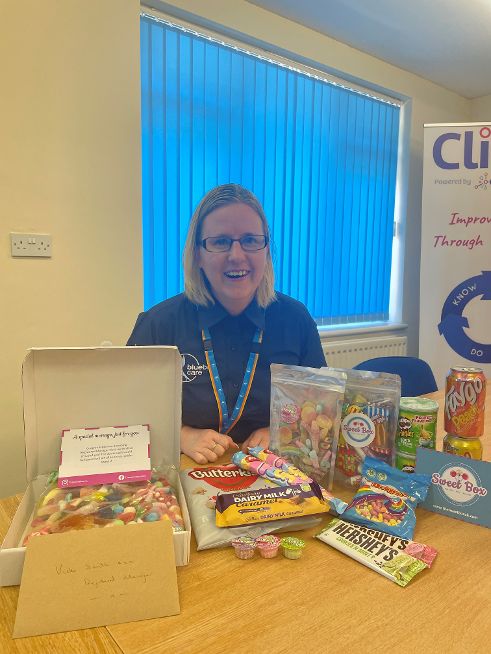
More than 2,000 National Care Group colleagues united in celebrations across England and Wales as part of NHS, Social Care and Frontline Workers’ Day on Monday 5 July.

As one of the UK’s leading providers of care and support services to vulnerable adults, National Care Group used the day as an opportunity to celebrate and recognise the commitment and hard work of its own colleagues after an incredibly challenging year for the sector due to the Covid-19 pandemic. 

The heroic efforts of health and social care workers throughout the country during the pandemic is what has brought about the inception of NHS, Social Care and Frontline Workers’ Day. The day, which was held for the first time on 5 July as a tribute to the date the NHS was established 73 years prior, included a raising of the flag, two-minute silence, a national toast and national clap.

However, National Care Group went a step further by arranging themed ‘Big Garden Parties’, involving events at 78 of its services. Activities included a ’Big Garden Party Bake-Off' competition, which had a love heart theme to reflect the tone of the day, and a toast to the workforce broadcast live over Facebook by the executive team.

Each participating service was also sent a Big Garden Party pack bursting with bunting, balloons, cups and plates to decorate and enhance their celebrations.

Karen Lewis, chief operating officer at National Care Group who led the initiative on behalf of the company, said “We wanted to use Frontline Workers’ Day as a way of honouring our colleagues for the commitment they have shown to the people we support following such an unprecedented year. It’s provided us with the perfect opportunity to shine a spotlight on everyone’s hard work and it’s been fantastic to see so many of our services really getting into the spirit of the day and celebrating together.”

A total of 78 individual parties were held at services across England and Wales, with each venue putting its own spin on the day’s events. At Endurance Care in Worcestershire, registered manager Kelly Smith booked a DJ and ice cream van for party guests, while Regent College based in Stoke-on-Trent brought together more than 100 attendees at their event.

Meanwhile, at Abbeyvale Care Centre in Hartlepool the people they support, many of whom are former textile factory workers, were involved in creating teddy bears made from old blankets. Registered manager Julie Shields, who recently received two accolades at National Care Group’s annual awards, organised a ‘teddy bear factory production line’ prior to the party and the bears were then raffled off at their celebrations to raise money for charity on the day.

Karen added: “We’ve been truly overwhelmed by the number of colleagues and services that got involved in organising garden parties and it’s been wonderful hearing about all the different activities and celebrations that have taken place. At National Care Group, we’re passionate about ensuring that those who work with us, and those who access our services, are able to unlock their potential and feel proud about what they do, which is why days like this are so important as it gives us the opportunity to champion their work and show our appreciation.”

Fully vaccinated people in England will not have to self-isolate if a close contact tests positive for Covid from August 16, the Health Secretary says. Sajid Javid told MPs that the same policy would also apply to anyone under the age of 18 from that date. The government, he added, would give more details this week on self-isolation rules for international travel.

Meanwhile, Education Secretary Gavin Williamson has announced the end of "bubbles" in schools from 19 July. This system has led to large numbers of pupils being sent home if a single child has a positive test.

Covid-related pupil absence in England has hit a new high since all students returned to school in March - with 640,000 pupils in England not in school due to Covid last week. This follows Prime Minister, Boris Johnson, confirming that he intended to scrap most of the remaining restrictions in England on July 19, including the laws on mask wearing and rules on social distancing.

A further 28,773 cases were reported across the UK yesterday, with another 37 deaths within 28 days of a positive test. In a statement to the House of Commons, Javid said: "From 16 August when even more people will have the protection of both doses, and when modelling suggests the risks from the virus will be even lower, anyone who is a close contact of a positive case will no longer have to self-isolate if they have been fully vaccinated.

"If someone gets their second dose just before or just after August 16, they'll need to wait for two weeks, after which their second jab can then take effect and give them these new freedoms." As under-18s are not routinely jabbed, he said a similar exemption from self-isolation rules would be extended to them.

He (Javid) said adults who had been in close contact with a positive case would be advised to get a PCR test as soon as possible to make sure they had not been infected, while for children it would be dependent on their age. People identified as close contacts of a confirmed Covid case are currently required to self-isolate for up to 10 full days when contacted by NHS Test and Trace.

He added that "of course" anyone that tested positive would have to self-isolate whether they have had the jab or not. The Department of Health and Social Care said the date for the changes was chosen to allow more people to become double jabbed and with rising case numbers it makes sense to keep protective measures in place until mid-August.

It said if fully-vaccinated users of the NHS Covid-19 app are notified that a contact has tested positive after 16 August, they will be able to tell it they have had both jabs.

Shadow Health Secretary Jonathan Ashworth said Mr Javid had justified allowing infections to climb by pointing to the UK "building a protective wall" of vaccines. However, Mr Ashworth said that data from Israel suggested that the infectious Delta variant could be transmitted through fully vaccinated people.

He said that he understood the rationale for Mr Javid's announcement but believed that the biggest barrier to an effective isolation policy was a lack of financial incentive to stay at home. He also called for a U-turn on the decision to make mask-wearing voluntary, saying: “'s have freedom but not a high-risk free-for-all - keep masks for now, fix sick pay, and let's unlock in a safe and sustainable way.” The Scottish government has said it may continue to require masks in certain settings even after August 9, when it is hoped the final curbs will end.

Ahead of a review on July 15 in Wales, ministers said people would need to learn to live with Covid. Northern Ireland's Deputy First Minister Michelle O'Neill said the prime minister's approach to ending coronavirus restrictions in England was reckless.

She said Northern Ireland, which is due to review its rules on 8 July, would make its own decisions but would not be following that model. Meanwhile, Ireland's Deputy Prime Minister, Leo Varadkar, called England's plan too risky and warned if things went wrong there would be a spill-over effect into neighbouring countries.

The 73rd anniversary of the NHS was celebrated with the award of the George Cross and a cathedral service. In a personal message, the Queen said NHS staff across the UK had worked "with courage, compassion and dedication" for more than 70 years.

The Duke of Cambridge joined NHS staff at a thanksgiving service at St Paul's Cathedral in London before later hosting a Buckingham Palace tea party to thank NHS workers. The Duchess of Cambridge was due to join him for the events, but is now self-isolating after coming into contact with someone who later tested positive for Covid.

The George Cross, instituted by King George VI in 1940 during the height of the Blitz in World War Two, is awarded for "acts of the greatest heroism or of the most courage in circumstances of extreme danger".

In her handwritten message, the Queen wrote: "It is with great pleasure, on behalf of a grateful nation, that I award the George Cross to the National Health Services of the United Kingdom.

"This award recognises all NHS staff, past and present, across all disciplines and all four nations.

“Over more than seven decades, and especially in recent times, you have supported the people of our country with courage, compassion and dedication, demonstrating the highest standards of public service. You have our enduring thanks and heartfelt appreciation."

NHS England chief executive Sir Simon Stevens said the award recognised the skill and fortitude of NHS staff, who had responded to. "The worst pandemic in a century and the greatest challenge this country has faced since World War Two", he said.

Prof Stephen Powis, NHS England medical director, said he was prouder and more humbled by the work of his medical colleagues, adding that the reward recognised the contribution of the NHS since inception as well as over the last 18 months. The awarding of the George Cross by the Queen is made on the advice of the George Cross Committee and the prime minister.

This latest award is only the third time the George Cross has been given to a collective body, country or organisation, rather than an individual. In 1942, the George Cross was conferred on Malta by George VI, in recognition of the heroism displayed by the island's inhabitants during enemy bombardments in World War Two and in 1999, the Queen awarded the George Cross to the Royal Ulster Constabulary in Northern Ireland, in recognition of the force's bravery.

Dr Chaand Nagpaul, Council Chair of the British Medical Association (BMA) which represents doctors, said: “The award would be a welcome recognition for many who feel exhausted - physically and mentally - after the gruelling challenge of the last year".

But he added: "It is also vital to ensure that healthcare professionals work in an environment where there is an adequate workforce and resources, including enough hospitals beds and facilities in general practice. This will be vital if we are to be able to tackle the enormous backlog of over five million patients waiting for treatment as a result of the pandemic".

It comes days after Dr Nagpaul warned that senior doctors in England would be consulted on taking industrial action if the government's 1% pay rise offer was not improved.

Pat Cullen, acting General Secretary and Chief Executive of the Royal College of Nursing - which has also warned of potential industrial action over pay - said: "Nursing staff led the foundation of the NHS and today they continue to lead the response to the pandemic.

"Along with all of their colleagues they should hold their heads high today to be recognised in this way." The duke welcomed NHS workers, including respiratory ward nurses, counsellors and care workers, as well as catering managers and housekeeping coordinators, to the Buckingham Palace gardens for the NHS Big Tea.

The NHS Big Tea is organised by NHS Charities Together - which the duke and duchess have been patrons of since December 2020. The event was one of thousands of Big Teas happening in homes, hospitals, schools and community spaces across the UK yesterday.

Retail trade union Usdaw is urging the Government not to lift safety measures in stores as part of the release of Covid restrictions due on 19 July.

Paddy Lillis – Usdaw General Secretary says: “Retail staff are working with the public every day and are deeply worried about catching Covid-19. This is not the right time to water down safety in stores and the Government should not be removing the requirements of face coverings and distancing in busy public areas like shops.

“To speak about the wearing of face coverings in these settings in terms of personal responsibility, ignores the reality that public facing workers have no option but to interact with large numbers of people as a part of their job. The main purpose of face coverings is to protect others and the Government must send out a clear message on this. 

“Usdaw is urging the shopping public to continue to wear face coverings, along necessary hand sanitisation and maintaining social distancing to help make shops safer and limit the spread of Covid-19. We also continue to call on employers to maintain appropriate safety measures and ensure that they are being followed consistently, in every store. 

“Many retail workers are at a greater risk of catching the virus and bringing it home to their families. Supermarket workers and delivery drivers have worked throughout the pandemic to keep the country supplied with essentials. These key workers must be valued, respected and protected.”

The situation with Covid will get worse before it gets better with cases "rising dramatically", medical leaders have warned.

The Academy of Medical Royal Colleges said people should remain cautious, taking measures such as wearing face coverings in crowded indoor spaces. It has warned that the NHS is under unprecedented pressure.

The government is expected to confirm whether the easing of measures in England will go ahead on 19 July. The UK is experiencing a marked increase in cases according to the Office for National Statistics, while Health Secretary Sajid Javid has previously said he would expect numbers of infections to reach about 50,000 new cases a day by that date.

The latest government figures showed an increase of 35,707 Covid cases across the UK - the highest daily figure since 22 January. Professor Helen Stokes-Lampard, chair of the Academy of Medical Royal Colleges, said the academy was cautious about issuing dire warnings but she had become profoundly concerned over the last couple of weeks about the idea of removing all restrictions on July 19.

"There seems to be a misapprehension that life will return to normal from then and that we can throw away all the precautions and, frankly, that would be dangerous," she said. In a statement the academy, which represents 23 medical bodies responsible for training and development in various specialties, said it was essential that people took a responsible approach when restrictions were formally lifted.

It warned that there was little doubt that things will get worse before they get better. The academy said there were reports of routine care being postponed due to healthcare professionals isolating amid mounting pressure as people who had stayed away from the NHS during the pandemic now sought treatment.

It added that the growth of long Covid, as well as the backlog of elective work which had built up during the crisis, meant that it is like the worst of a bad winter in July. "There is no doubt that we will get to a position when this dangerous and erratic disease is largely under control for the population as a whole and we can 'learn to live with' Covid-19.

"However, we are not in that position yet and sadly, we have to expect things to get worse again."

An independent British healthcare company which provides a UK wide GP service has reported a 500% surge in calls and access to its services seeking help on mental health issues.

Cheshire based AKEA Life - which provides an award winning 5-star concierge GP and health service – has seen a large increase in requests from its existing client base as well as new enquiries from clients signing up to its GP and healthcare service for families.  

AKEA Life – which is a CQC registered company - confirmed that around 90% of those calls seeking help on mental health issues were doing so as a result of the pandemic and the compounded effect on the NHS.  

The company also reported that it was seeing a very high percentage (around 65%) of those mental health issues coming from younger children and adolescents struggling with the re-integration back into the school. 

Ben Paglia MD of AKEA Life said: “We are absolutely staggered at the amount of calls we are taking specifically on mental health issues relating to the effects of Covid and lockdown restrictions.

“Rather worryingly is the number of cases involving school children that are suffering with a wide range of issues including agoraphobia, anxiety about returning to school, fear and withdrawal symptoms. Clearly the impact of the pandemic is having a significant impact on the mental well-being of many school children and its serious.

“We have all seen how truly amazing the NHS is and the pressure that the doctors, nurses and healthcare staff have been under tackling Covid. But it is clear to see that the system is desperately underfunded, under resourced and has been at breaking point for many years, Covid has been the last straw. 

“It’s no coincidence that both mental health cases and also suicide rates are at an all-time high. The physiological and psychological toll of the pandemic has pushed frontline services to breaking point and put many families into crisis.” 


AKEA Life has seen a huge growth in corporate clients and families joining over the last few months as access to the NHS waiting list for specialist mental health care and therapy can be anything from 6-12 months on average. The company warned that due to the huge waiting list for NHS referrals and therapy that it could lead to an increase in people self-medicating or being put straight onto anti-depressants and left without the proper support or review for years. 

The local GP service across the UK is buckling under the pressure. Doctors and nurses are themselves suffering with stress and anxiety, increased workloads and the pressures that Covid has bought.

Patient consultation has been reduced to a box ticking exercise with around 8 minutes per patient. GPs cannot properly assess a person’s underlying health issues in this time or look at providing any other form of preventative health interventions. 

Ben Paglia MD of AKEA Life added: “Traditionally private healthcare was seen as the preserve of the wealthy, now it is seen as an essential service that many of our clients are taking out as a ‘top-up’ to their existing NHS health care services and their local GP.  

“Effectively we are providing another access point that can speed up that process of accessing specialist healthcare and treatment. We provide very affordable healthcare for families which means they can get a same day private patient consultation and GP visit to their home or office and immediate referral and treatment for £30 per month.

“This puts the ownership and control of healthcare and well-being firmly back in the hands of the public. Our clients don’t have to wait days and weeks for an appointment they get same day consultations and referral for immediate treatment. 

“We are seeing a sea change and a dynamic shift in healthcare provision in the same way that dentistry went through exactly the same shift from NHS dental services to the private sector opening up private practices. For someone who is suffering from mental health issues, they simply cannot wait 6 months for a referral to therapy and counselling.

“The same for children who are suffering with mental health issues. Left unchecked and without specialist treatment, a person’s mental health can deteriorate and become a ticking time bomb leading to many more complex issues.” 

This is echoed by Chartered Clinical Psychologist Peter Dragan; “Some psychologists have predicted a post-COVID mental health pandemic, particularly due to many people largely not being able to access support for a prolonged period, or enduring levels of stress and trauma that are either still ongoing, or only very recently beginning to change. Particularly this can come with traumatic bereavement, chronic health problems such as long- COVID, job losses and significant life changes.

“Other psychologists have disagreed with this prediction. But what we do know with some confidence, is that there are a number of groups who have been significantly negatively impacted by the pandemic, including those who continue to experience long-term health consequences from the virus; those who experienced bereavement; people who were already relatively socially isolated; those who have experienced job or financial losses; those experiencing housing insecurity; those working in a front-line service; people who lost important coping mechanisms and / or experience reduced access to health services during a time of illness.”

Akea Life provides quick, convenient access to quality healthcare for families and businesses. Patients can get all of the medical advice they need, when and where they need it. The company provides access to a network of 100 GPs, 7 days-a-week as well as health care staff, counsellors, therapists and clinicians.

The company also has its own at home pharmacy supplier. The service provides quick and efficient access to healthcare

The patient calls Akea Life. A doctor is then rostered to speak to the patient and assess symptoms. 

If the symptoms require, a doctor can be sent to the patient’s home, office or location same day. Diagnosis and immediate referral follow. 
Ultimately this means a person doesn’t have to visit their local GP surgery, have time off work or waiting to book an appointment days or weeks in advance.     

The NHS urgently needs a rapid increase in bed numbers if it is to meet potential demand this winter according to new analysis from the Royal College of Emergency Medicine.

The College’s new briefing document ‘RCEM Explains: Hospital Beds’ looks at how bed numbers have declined in the past decade, the impact of covid, and the potential number of beds needed this winter, based on previous levels of demand.

The briefing uses the ratio of emergency admissions to beds to model the numbers of beds that will likely be needed, based on the levels of demand seen each winter prior to the pandemic. In the last five years in England this figure has fluctuated between 11.07 admissions per bed (winter 2015/16) and 12.50 (winter 2018/19). Excluding the most recent winters (both of which saw demand and capacity fall due to the pandemic), there was an average of 11.77 admissions per bed.

If the NHS is to achieve a similar ratio this winter, and there are a similar number of admissions as in the winter of 2017/18, the NHS will need just over 7,500 additional beds. If demand is similar to 2018/19, then this figure rises to 15,788 extra beds.

 President of the Royal College of Emergency Medicine, Dr Katherine Henderson said: “We are currently seeing record levels of attendances at Emergency Departments and if this continues into winter – an extremely likely situation – the NHS will have too few beds to be able to cope.

“The consequences of having too few beds could be dire. If we do not have the capacity to admit patients into hospitals, then A&E waiting times will go up, patients will end up being treated in corridors – a very real threat to their safety before the pandemic, but now with the added risk of hospital acquired infection – and the elective backlog will grow further as beds earmarked for surgeries will be used for emergency patients.”

The briefing also makes clear the relationship between high bed occupancy and an increased rate of cancelled elective operations.

Dr Henderson said: “Too few beds means higher rates of occupancy, which in itself puts patient safety at risk, but it is clear that this has a huge knock-on effect on elective care. Lack of beds is one of the top reasons for cancellation of surgeries and if we do not address the shortage now, before winter, the elective recovery will fail.

“We know that access to services is an issue throughout the NHS at the moment with resources short all-round, but Emergency Departments act as the safety net for the NHS – if they cannot function properly the entire system stalls – so it is vital that the new Secretary of State does all he can to enable the NHS to expand hospital capacity.

“The safe restoration of bed capacity to pre-pandemic levels is no easy fix though – as we’ve seen with the Nightingale initiative, capacity cannot be expanded if we do not have enough doctors, nurses, and clinicians.

“The capacity and staffing issues we face now have been over a decade in the making. Social care is still unfixed. Waiting lists are growing. Structural reconfiguration is in progress. Covid is less of an immediate threat but is unlikely to disappear. The Secretary of State has much to do, but he must start by making the beds.”

More than one in 10 older people in Wolverhampton have still not had their life-saving Covid-19 jab, putting themselves at risk of severe illness from the deadly virus.

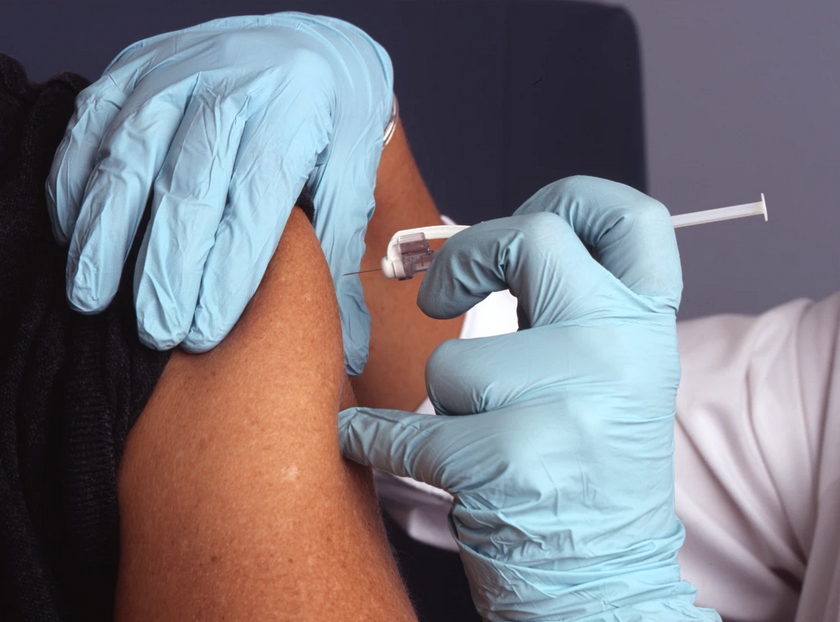
Vaccines are now available to all adults in England – and latest figures show that almost 87% of people aged 50 and over in Wolverhampton have received at least one jab.

But that means around 12,500 people have not yet been vaccinated and, with infection rates rising once more, they remain at greater risk of serious illness, hospitalisation and even death.

Councillor Jasbir Jaspal, the City of Wolverhampton Council’s Cabinet Member for Public Health and Wellbeing, said: “The World Health Organization says that older people, and those with underlying medical problems like cardiovascular disease, diabetes, chronic respiratory disease and cancer, are more likely to develop serious illness from Covid-19.

“It is great news that the vaccine is now available to all adults in the city, and we want to make sure that older people do not get left behind.

“Around 85,500 residents aged 50-plus have now received the life-saving vaccine – but more than 12,500 people haven’t come forward yet.

“With older people being more vulnerable to Covid-19, it is vital that they get the protection they need by having their vaccination.

“So, if you’ve not had your jab yet, now is the time. Not only will the vaccination help to protect you from severe illness, hospitalisation or even death, it will help to protect others around you too by reducing the chance of passing the virus on.” Anyone over the age of 18 can book their vaccinations online at www.nhs.uk/covidvaccine or by calling the NHS on 119.

Health education service Menopause Experts launches today, offering free training and resources to women — and men!

The company offers comprehensive, trustworthy and up-to-date information to help women understand and manage often debilitating symptoms like forgetfulness, hot flushes, headaches, itchy skin, night sweats, brain fog and low or non-existent sex drive.

Menopause Experts training is completely free, making vital information available to all people whatever their ability to pay. In comparison, private consultations with some menopause doctors cost around £275 for an initial consultation.

It’s also the first menopause service to provide advice and tips to men, recognising the importance of including husbands, partners and workmates in the conversation.

Free training includes information on the biology of the female body and the effects that declining hormones like estrogen, progesterone and testosterone have on women’s health. It examines the pros and cons of Hormone Replacement Therapy (HRT) and looks at alternative ways to manage symptoms through diet and lifestyle.

Former chief officer of doctors’ union the British Medical Association Dr Helena McKeown is joining the board of directors to help educate GPs and other clinicians about menopause.

Menopause Experts offers free podcasts, with recent subjects including Sex and the menopause. Free blogs discuss subjects like Hair loss (every woman's nightmare) and also Psychological Issues relating to menopause

The digital magazine Menopause Life is free and includes recipes, articles on exercise and foods that can alleviate unwanted symptoms. There is even a light-hearted look at menopause, a regular column written by comedian Mel Byron.

Dee Murray, founder and CEO at Menopause Experts, said: “Menopause is one of the last taboos in women’s health, and it’s about time we were all talking about it - women and men. Until now we were all seen as mad old women, that is about to change!

“We’re on a mission to offer the best advice and tips available, working with our panel of experts to dispel myths and outdated fears that make life harder for women in the workplace and at home. Though half of the population will never have to deal with menopause themselves, nearly every man will know someone who is going through it, or has gone through it, though they may not yet recognise it as menopause symptoms.

“Teaching husbands, partners and co-workers about menopause is vital if we are going to remove the stigma surrounding what is a big part of a woman's life. Understanding menopause and the impact, may save a career, marriage or even a life! The menopause revolution starts here.

“If you’re going through menopause, know someone who might be, or just want to learn more, have a look at our free podcasts, blogs and advice.” 

Five million items of vital personal protective equipment (PPE) have now been distributed to frontline staff by the City of Wolverhampton Council since the start of the coronavirus pandemic last March.

They include face masks, gloves, eyewear, aprons, gowns and gallons of hand sanitiser and have been given to local care providers, health workers and funeral directors as well as to council social care workers, bin crews, rapid testing teams and leisure, education, transport and housing staff to enable them to continue delivering essential services.

The council has purchased millions of items of PPE through the pandemic, and also received thousands of donations from businesses and individuals who responded to a city-wide appeal last spring. Supplies are now being bolstered by regular deliveries from the Government, with the five millionth item delivered to Bradley Reablement Centre this week.

Councillor Linda Leach, the City of Wolverhampton Council’s Cabinet Member for Adult Services, said: “Despite a global shortage of personal protective equipment throughout the pandemic, we've continued to ensure a steady flow of vital PPE to our city’s frontline workers. This is helping to keep them, and the people they care for or support, safe from this deadly virus.

“We’ll continue to work as quickly as we can to get PPE out to the people who need it, whether they work for the council, local care providers or other organisations or individuals who have found it hard to get PPE through their usual channels.

“We have now provided an incredible five million items, which shows just how important this element of our Covid-19 response has been, and I’d like to thank everyone who is continuing to work so hard to make PPE available to the individuals and organisations which need it.


“This includes our Adult Services Commissioning team, Health and Safety team, Public Health staff, Resilience team and Procurement colleagues who, together with the Community Equipment Service, provided a one council approach to the process.”

Osteoarthritis affects at least eight million British people and is often referred to as ‘wear-and-tear’ arthritis because it usually happens in joints exposed to stress.  People who are overweight often develop osteoarthritis in their knees and hips and the pain can be relentless.

One of the most obvious approaches to tackling arthritis is to suggest losing weight to relieve pressure on the joints.  However, what your GP might not tell you is that your diet can play a huge role in reducing the symptoms of arthritis.

Dr Michael Mosley from The Fast 800 says: “I'm 64 and like many people my age I have early signs of osteoarthritis. It is in my right knee, where I damaged the cartilage many years ago.”

“I manage my arthritis symptoms using The Mediterranean diet.  It’s a delicious way of eating and I never feel hungry.  The Mediterranean diet is rich in nuts, olive oil, fruits, vegetables, oily fish, and legumes.  It also includes a moderate amount of red wine which is unexpected for most! A number of studies in people with arthritis have shown that switching to a Mediterranean diet can reduce inflammation, pain, and improve mobility.”

The fruit, vegetables and legumes so frequently featured in The Mediterranean diet contain lots of prebiotic fibres that will feed ‘good’ bacteria. Oily fish, rich in omega-3, has been shown in trials to help prevent and reduce arthritis.  You’ll also find decent amount of ‘good bacteria’ in foods like onions, garlic, asparagus, leeks and, particularly, Jerusalem artichokes. 

For more microbiome-friendly and recipes designed to boost levels of anti-inflammatory good bacteria, take a look at www.thefast800.com where you will find some delicious choices.

Sue Barnard, 66 from Bedfordshire has been using The Fast 800 online programme to help reduce her weight and in turn as noticed a marked improvement on her arthritis symptoms. 

Sue explains “I have been overweight, and sometimes obese, for most of the past 30 years.  I tried a couple of the major weight loss programmes but I couldn’t sustain the weight loss and I was often confused by the science behind the eating plans.  I wanted to achieve permanent weight loss and, more importantly, a healthy body.  I have arthritis and the excess weight was having a real physical impact on my mobility.”

“The Fast 800 is great for me because there are so many fantastic recipes.  My favourites are Tex Mex Chicken and Bean and Roasted Veg with Cumin and Goats Cheese.  I try to have at least one meat free meal each week and the plan has converted my previously vegetable avoiding husband!”

Sue goes on to say: “As I started to lose weight, I felt able to start some stretching and pilates type exercises at home and have joined the gym in order to tone up and improve my stamina.”

“Since embarking on The Fast 800, I’ve lost 44.5lbs and I'm feeling great as I head towards my target weight of 10st 7lbs.  I can now walk without my knees aching and swelling.  I can climb the stairs without dragging myself up to avoid pressure of my arthritic knees.  My arthritis hasn’t gone but the impact has certainly reduced hugely.”

Diabetes UK is inviting people from across the Midlands to dive into a sponsored swimming challenge that raises vital funds for diabetes research and helps us support people living with the condition. 

Swim22 runs between 22 July and 22 October and involves swimming a total of 22 miles – the equivalent of crossing the English Channel. Participants can take on the challenge at their own pace, accumulating the miles across the course of the 12 weeks.

Swimming really is a fantastic way to help you get fit and healthy, have fun and set yourself a challenge. And if you take on Swim22, you’ll not only be swimming towards a healthier you – you’ll be raising money that will help Diabetes UK ensure people living with diabetes get the care and support they need.

You can take on the challenge in your local pool alone or with family, friends, or colleagues, though you should check the Covid-19 restrictions in your area before taking part and adhere to them.

In addition to the standard 22-mile distance, there are two other options to choose from. Participants can do ‘The Half’, covering 11 miles – half the distance to France and still an impressive feat. More experienced swimmers may wish to take on ‘The Double’ – swimming 44 miles, the equivalent of swimming to France and back again.

To register for Swim22, visit: swim22.diabetes.org.uk. There is no registration fee and no minimum sponsorship. So, please, sign up to Swim22 this year and make a splash for Diabetes UK.

Birmingham residents are able to get a ‘walk-in’ vaccination at Millennium Point from this week and are also exempt from Clean Air Zone charges if driving a non-compliant vehicle.

Walk-in (no appointment) Covid vaccinations are available this week from yesterday (Wednesday 23 July) to Sunday (27 June) for people under the age of 40 at Millennium Point. Birmingham residents aged 18 and over can attend, without appointment, between 10am and 4pm. The Millennium Point mass vaccination centre also comes under Birmingham’s Clean Air Zone medical exemption voucher scheme.

The scheme provides visitors who drive a non-compliant vehicle to attend an appointment at Millennium Point, Birmingham Children's Hospital, Bath Row Medical Practice and Badger Medical Centre with a voucher that exempts them from the daily charge. The vouchers provide a code for a duration of a single Clean Air Zone payment day period (midnight to midnight) and voucher recipients will need to input the code on the Brum Breathes website which will then give them a 24-hour exemption for that period.

Councillor Paulette Hamilton, Cabinet Member for Health and Social Care said: “It is so important people get vaccinated and the council is working with NHS colleagues and other partners to try to increase uptake, especially in those areas of the city where uptake is low but case rates are higher than elsewhere.

“While we want to encourage people to use alternatives to driving when they can, we know it is difficult for some so it is absolutely right that we make exemptions for non-compliant vehicles for people getting vaccinated. So please do attend these centres if you can and get your CAZ voucher if you qualify.”

Councillor Waseem Zaffar MBE, Cabinet Member for Transport and Environment said: “The Clean Air Zone has set the wheels in motion to create cleaner and safer air in our city.

“We have always understood the need to provide key groups of people with additional support as part of our journey towards cleaner air. As our city begins to recover from the pandemic, we are urging everyone to get vaccinated and it’s important we support those in non-compliant vehicles by providing them with this exemption.”

A voucher will only be required for vehicles which do not meet the emission standards. Vouchers can be redeemed six days in advance of a visit, on the day of a visit, or six days after. A new voucher will be required each day so any drivers who regularly attend the medical centres and hospitals will be able to get a voucher each day they visit. The vouchers will be available to collect from reception and must be redeemed online.

It’s time for mums to re-emerge more confident, more energised and feeling better after the pandemic.

Mums have been keeping things together making sure that everyone else is OK and have been supported, putting themselves last.

Mums became teachers overnight.

They balanced work (without the downtime of the commute).

They kept the house going.

They lost touch with themselves because everyone needed them, all the time.

Not to mention…

All the sleepless nights they had worrying about everyone and everything.

And it’s taken a toll.

Mums are coming together virtually for one day to take some time for themselves with the help of a great range of best-selling authors and experts at the Reignited Mamma Retreat.

The authors and experts have come together to gift their experience and knowledge to help Mums to be their best and to get ready for life after the pandemic by thinking.

Susie Pearl, best-selling author, podcaster and wellness commentator will be helping Mums to approach life differently with her Creative You session.  Kate Bee from the Sober School will be helping mums to Feel Good with Touch Choices for those who’ve made decisions over the pandemic and are wondering just how they’re going to keep them. Psychologist Stacy Moore will be helping mums change their mindset with her Mum Over Matters session.

We’re on a mission to give back to mums who are exhausted, have felt forgotten and taken for granted during the pandemic.

Two molecules linked to increased stress levels play a key role in the development of Takotsubo syndrome, sometimes known as broken heart syndrome, according to research funded by the British Heart Foundation (BHF) and published in Cardiovascular Research. Researchers from Imperial College London found that increased levels of microRNAs -16 and -26a (small molecules that regulate how your genes are decoded) increase the chance of suffering from Takotsubo syndrome. 

These molecules have been previously detected in the blood of Takotsubo syndrome patients, but it was not known until now if they were involved in development of the disease. Takotsubo syndrome is a sudden form of acute heart failure which is estimated to affect around 2,500 people in the UK each year, and is mainly seen in post-menopausal women. It can cause the same symptoms as a heart attack, and although the coronary arteries are not blocked, the risk of complications is similar to those of an actual heart attack.

It’s not yet fully understood what causes Takotsubo syndrome, but it is usually brought on by emotional or physical stress such as the loss of a loved one – hence being also known as broken heart syndrome. Sharp rises in adrenaline caused by an acute stress like bereavement are known to be the trigger for a loss of movement in part of the heart wall, which then causes the acute heart failure. There are currently no treatments to prevent a repeat attack, which can occur in these patients.

The researchers looked at both human and rat heart cells, measuring how they respond to adrenaline after exposure to the two molecules. When researchers looked at heart cells that had been treated with the microRNAs, they saw that the cells were more sensitive to adrenaline and more likely then to develop loss of contraction.

Takotsubo-like changes were therefore seen at lower levels of adrenaline.

MicroRNAs -16 and -26a are linked to depression, anxiety and increased stress levels. These new findings could provide a link between long term stress and the dramatic Takotsubo response to a sudden shock.

In the future, a blood test measuring levels of these molecules could be developed for use in identifying those at risk of an episode of Takotsubo syndrome. The microRNAs could also be used as a potential drug target. 

Professor Sian Harding, Professor of Cardiac Pharmacology at Imperial College London said: “Takotsubo syndrome is a serious condition, but until now the way it occurs has remained a mystery.

“We don’t understand why some people respond in this way to a sudden emotional shock while many do not. This study confirms that prior stress, and the microRNAs associated with it, can predispose a person to developing takotsubo syndrome in situations of future stress. 

“Stress comes in many forms and we need further research to understand these chronic stress processes.”


Associate Medical Director at British Heart Foundation Professor Metin Avkiran, said: “Takotsubo syndrome is a sudden and potentially catastrophic heart problem but our knowledge about what causes it remains limited. As such, it is vital that we learn more about this neglected condition and develop new ways of preventing and treating it.

“This research is not only a crucial step towards better understanding of this mysterious disease but also could provide new ways to identify and treat those at risk of Takotsubo. We now need further research determine if drugs that block these microRNAs could be the key to avoiding broken hearts.”