Colors: Purple Color

Earlier this month, Cerebra, the charity that supports children with brain conditions and their families, in collaboration with an academic team from four leading institutions, launched the Cerebra Network for Neurodevelopmental Disorders.

This pioneering research network will expand upon the work of the Cerebra Centre, which developed a world-leading research programme through which the behavioural, emotional and cognitive characteristics associated with complex disorders and rare genetic conditions have been documented.

This next phase will comprise a collaborative and dynamic network of researchers. The Cerebra Network for Neurodevelopmental Disorders will be led by four alumni of the Cerebra Centre; Dr Caroline Richards (University of Birmingham), Dr Jo Moss (University of Surrey), Dr Jane Waite (Aston University) and Dr Hayley Crawford (University of Warwick). New and improved ways of supporting children with rare and complex syndromes will be investigated by this unique academic team that truly integrates knowledge, expertise and resources across universities in the Midlands and Surrey.

This network will deliver insight into the challenges faced by children with rare genetic syndromes and neurodevelopmental conditions associated with intellectual disability, such as fragile X syndrome, Smith-Magenis syndrome, Tuberous Sclerosis Complex, Prader-Willi syndrome, Down syndrome, and Cornelia de Lange syndrome.

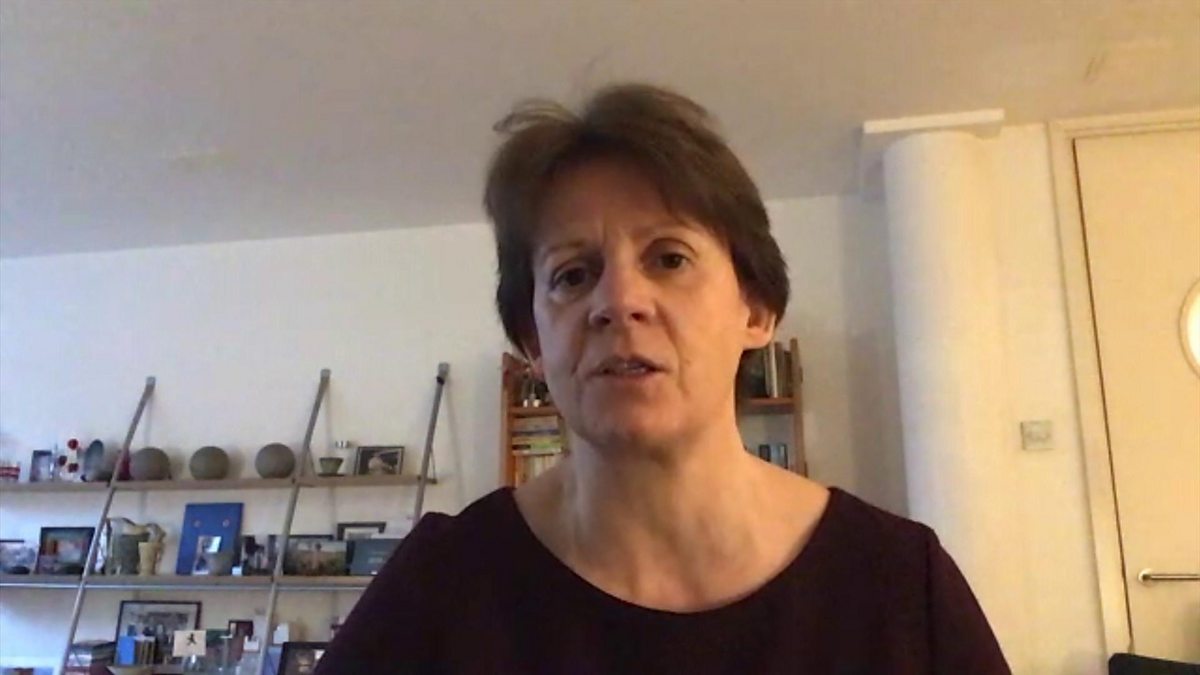
Cerebra Network Co-Director Dr Caroline Richards (University of Birmingham) said: “Our aim is to improve the evidence that underpins better assessment and interventions and leads to improved outcomes for these children and their families. This area of research is underrepresented in modern academic circles.”

The Cerebra Network for Neurodevelopmental Disorders was launched at a virtual public event by academics and clinicians from the four leading universities and was an opportunity to hear about the work that is being conducted by the Network and how this sits in the wider field of intellectual disability research.

The launch was split into two parts; a Family Focus Session aimed at parents and carers of people with neurodevelopmental disorders and their families, and also a Research Focus Session for academics and professionals, which delved into the research behind the Network’s three key themes: autism, sleep and behaviour, and mental health.

“We are thrilled that so many families, academics and professionals could join us for the launch event, and we’re delighted with the positive feedback we have received from attendees.” Dr Hayley Crawford (Cerebra Network Co-Director, University of Warwick).

Millions of British men would not talk to anyone at all if they suffered from mental health issues.

New research by 24/7 Pest Control for Men’s Health Week has found that 14% of men in the UK would not talk to anybody about their mental health problems.

That equates to more than 3.6 million men who would avoid discussing a mental health issue, despite public health campaigns such as ITV’s Britain Get Talking, or Prince William’s Mentally Healthy Football Declaration, urging men to open up about illnesses such as depression.

When asked by YouGov whom they would speak with about their mental health, 47% of men revealed that they would confide in their significant other, while fewer than a third of men (31%) feel they would be able to speak to their close friends.

Who do men talk to about their mental health?

My partner

47%

My close friends

31%

My friends

8%

My parents

16%

My siblings

12%

My colleagues

4%

My boss / manager

6%

My GP

30%

A therapist

15%

An anonymous helpline

7%

None of the above

3%

I would not talk to anybody

14%

Don't know

8%

Concerning discussing their mental health with a medically trained professional, 30% of men say that they would reach out to their GP for help and advice, while 15% would talk to a therapist.

Only 7% of men say that they would discuss their mental health with an anonymous helpline, while 8% don’t know who they would talk to.

In the workplace, mental health issues are still seen as a “taboo” subject, with only 6% of men saying they would discuss their mental health with their boss, and 4% confirming that they would speak with other colleagues.

The study also reveals that more than half of the UK’s population feel that men’s mental health is not considered a serious topic of discussion.

The research – drawn from more than 5,000 adults surveyed – shows that 57% of Brits feel that the issue of men’s mental health is still not being taken seriously by modern society.

How seriously, if at all, do you think society takes the issue of men's mental health?


All Adults

Men

Women

18-24

25-49

50-64

65+

Very seriously

4%

4%

5%

5%

5%

5%

3%

Somewhat seriously

30%

25%

34%

22%

31%

33%

28%

Not very seriously

43%

44%

41%

46%

40%

40%

48%

Not seriously at all

14%

18%

11%

23%

15%

14%

10%

Don't know

9%

8%

9%

5%

9%

9%

11%

Across genders, 62% of men feel that their mental health is not taken seriously, with 52% of women in agreement with this viewpoint.

Age grouping (across both men and women) creates an interesting divide across the population, with 69% of 18 – 24-year-olds feeling that society doesn’t take men’s mental health seriously, followed by 58% of Brits aged 65+.

In a survey assessing the general mood of the country, it was found that a third of men are feeling stressed and/or frustrated at present. This figure pales in comparison to the stress felt among women, however, which reaches 43%.


All Adults

Male

Female

18-24

25-49

50-64

65+

Sad

21%

19%

24%

33%

26%

17%

13%

Apathetic

18%

20%

16%

21%

19%

19%

14%

Frustrated

32%

32%

31%

42%

36%

28%

23%

Stressed

38%

33%

43%

49%

48%

30%

23%

Bored

21%

22%

20%

45%

24%

10%

15%

Lonely

19%

17%

20%

34%

22%

12%

12%

Scared

9%

7%

11%

16%

11%

5%

6%

The age groups feeling the most stress are 18 – 24-year-olds and 25-49 year olds, with both categories reaching 49% and 48% respectively. The youngest age group in the survey have the “itchiest feet”, with 45% claiming that they are bored.

Commenting on the findings of the study, a spokesperson for 24/7 Pest Control said: “It is important – not just for men – to remember that one’s mental wellbeing is just as important as one’s physical health. If someone broke their leg, they wouldn’t hesitate to take a trip to the hospital, and no one should hesitate to reach out for help in keeping a healthy mind.”

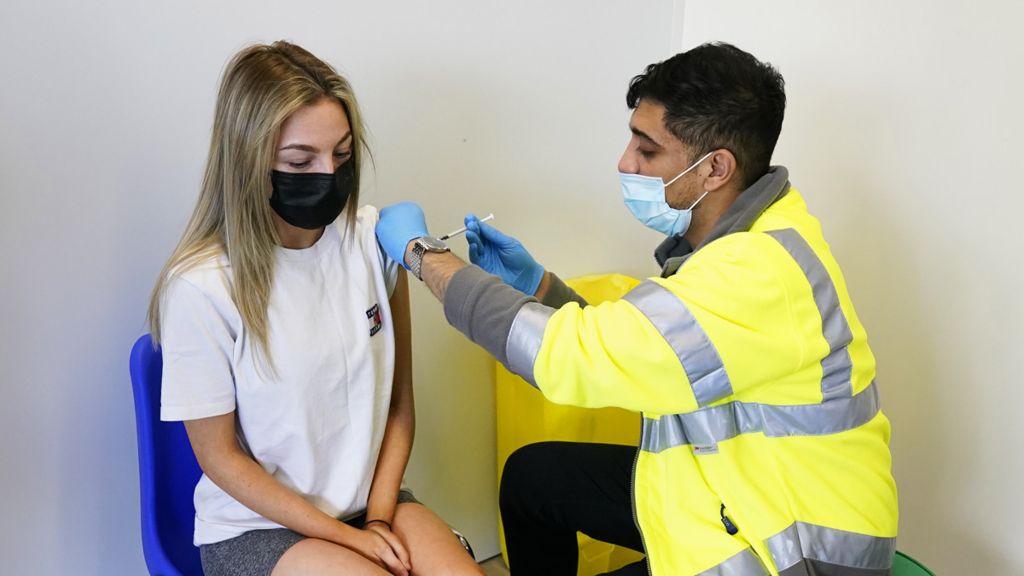
As the home nations geared up for a big weekend of football fixtures, local residents are still being urged to show coronavirus the red card this weekend by getting their coronavirus vaccination.

A number of ‘Walk-in, no appointment needed’ vaccination clinics have been set up to encourage anyone who is aged between 18-39 to get their vaccine. The vaccine offers a strong level of protection against the Delta variant, cases of which are rising in Birmingham.

This weekend the Vaccination Centre at Aston Villa Football Club (Villa Park) will play a big part of offering Pfizer vaccines to anyone aged 18-39.  The clinics will kick off at 10am and will close at 2pm.  People can just turn up, no appointment is needed, people do not need to be registered with a GP, do not need an NHS number and do not need to have ID to get a vaccination.  Second doses of Pfizer will only be given to people who have had their first dose of Pfizer more than eight weeks ago.  

Elsewhere in the city, whilst a walk-in vaccination clinic was open for people aged 18-39 years at Saltley Adult Learning Centre on Anthony Road between 10am-2pm tomorrow (Saturday) Khattak Memorial Surgery in Small Heath will also be offering vaccines to people aged 18-39 without an appointment.

In addition, the vaccination bus will be out on the roads again next week at St Peter’s Church in Hall Green and at Birmingham City Church, details of these are on our website: birminghamandsolihullcovidvaccine.nhs.uk/walk-in

Chief Pharmacist for Birmingham and Solihull Vaccination Programme, Inderjit Singh, said: The message is really clear, getting the vaccination is more important than ever in Birmingham and by adding these Walk-in vaccination clinics we hope that it makes it more convenient for people who prefer not to have to stick to an appointment time. By getting the vaccine, they are defending themselves and their family and showing coronavirus the red card.”

Adults can continue to book their appointments for a specific day/location, if they prefer, via the National Booking Service –  call 119 or visit nhs.uk/coronavirus-vaccination.

Vinnie Jones has reunited with the British Heart Foundation to call on everyone in the UK to learn CPR and help save lives, following the events that have shaken the footballing world this last week.

The football legend and actor recorded a 40 second advert for the nation’s heart charity, which was aired during yesterday’s pre-match coverage of Denmark vs Belgium. The ad reunites Vinnie with the British Heart Foundation (BHF), following his starring role in 2012’s “Hands-Only CPR” campaign, which the charity says has led to countless lives being saved. 

In the original ad, former Wimbledon and Leeds United star Vinnie urged people to “Call 999” and perform CPR by pushing “hard and fast to Stayin’ Alive” if they saw someone suffer a cardiac arrest. Latest figures show that less than one in ten people survive an out of hospital cardiac arrest in the UK, and every minute without CPR and defibrillation decreases a person’s chances of survival by up to 10 per cent. 

However, the BHF says that in countries where CPR is widely taught and public access defibrillators are more readily available, survival rates are up to three times as high. The charity is one of many organisations working to improve the UK’s out of hospital cardiac arrest survival rate to 25%, as set out in the NHS’s long-term plan.  

Vinnie said: “Like millions of people around the world, I watched in horror as Christian Eriksen collapsed suddenly last week. But immediate CPR and defibrillation saved his life.  

“By teaming up with the British Heart Foundation once more, I hope we can inspire millions more people to take the time to learn these vital skills. My message is simple - learn CPR and turn yourself into a potential life saver. As Saturday showed, you never know when you might be called upon to help save a life.” 

Following the football events that shook the world last week, the BHF has seen more than a 2,000 per cent increase in people visiting its website to learn CPR and find out how to use a defibrillator. The charity’s website offers video tuition on these life-saving skills. 

Dr Charmaine Griffiths, Chief Executive at the British Heart Foundation, said: “The shocking events of last week have touched so many people around the world. There is no doubt that CPR and the use of a defibrillator saved a life. But today the tragic reality is that less than one in ten people survive an out of hospital cardiac arrest and far too many people lack the confidence to perform life-saving CPR. 

“We’re delighted to join forces with Vinnie again to urge people to take just a few minutes, right now, to learn life saving CPR. The most important thing to remember is that you must act when someone suffers a cardiac arrest. Call 999, start CPR immediately, and ask someone to bring the nearest defibrillator if one is close by.  

“The sad truth is that you’re most likely to see a loved one suffer a cardiac arrest. But by creating a nation of lifesavers, with the confidence to perform CPR and use a defibrillator, we can save countless lives of loved ones.” 

The charity has campaigned for many years to create a ‘Nation of Lifesavers’, with the skills and confidence to perform CPR if someone suffers a cardiac arrest. Learning CPR is now on the secondary school curriculum in England and Wales, and all 32 local authorities in Scotland have committed to training all pupils before they leave school. The charity continues to campaign for it to be a compulsory part of the curriculum in Northern Ireland. 

Stoke City manager Michael O’Neill urged everyone to learn CPR. The former Northern Ireland manager’s father Des suffered a cardiac arrest in a Belfast train station in 2017. A train driver who had recently watched the original BHF and Vinnie Jones hands only CPR video quickly spang into action and began chest compressions. It was thanks to his quick actions that Michael’s father’s life was saved.  

O’Neill said: “We all witnessed the shocking scenes at EURO 2020 involving Christian Eriksen.  

“That brought back a lot of memories for me as my dad’s life was saved a few years ago by a bystander who had watched the BHF’s previous Vinnie Jones advert and acted quickly to perform CPR. Myself and the rest of my family will always be grateful to that person and I would urge people to pay attention to the BHF’s new TV advert and learn how to perform CPR. It could help you save a life in the future.” 

Ripon Danis, 39, had a cardiac arrest outside a London tube station in 2018. Without the quick action of two bystanders, he would not have survived.  

Ripon said: “I am here because of CPR. And not only am I here, my daughter is here because I lived. It’s all because of CPR. It’s all because of a defibrillator. More than anything, it’s all because of two strangers who took action and saved my life.” To learn CPR visit: www.bhf.org.uk/cpr.  

Local sports clubs and physical activity providers can now claim £1,000 towards the costs of being Covid-19 compliant under a new grant scheme offered by the City of Wolverhampton Council.

Any volunteer-led sports club or physical activity provider in the city can apply for the grant, which aims to encourage regular rapid Covid-19 testing and Covid-safe environments by offsetting the costs involved in this.

Clubs will receive £250 once their application has been accepted, with the remaining £750 paid after they demonstrate a commitment to providing a Covid-secure environment and ongoing twice weekly testing for club staff and show they are encouraging players or participants to do the same.

Councillor Jasbir Jaspal, the City of Wolverhampton Council’s Cabinet Member for Public Health and Wellbeing, said: “A third of people with Covid-19 don’t have any symptoms and could therefore pass it onto others unknowingly.

“Regular testing is helping to track down these cases and prevent onward transmission, protecting individuals and the wider community. That’s why we are asking people in Wolverhampton to get a free rapid test twice a week, either at one of our public test centres, at home or in the workplace where available.

“We had a great response from employers who have signed up for a Business Testing Grant to encourage this, and are pleased to now be able to extend the offer to our city’s grassroots sports clubs and physical activity providers. The grant is intended to help them get back on their feet and, at the same time, encourage them to be Covid-secure and embrace a routine of regular coronavirus testing.

“This will give people confidence that clubs are doing all they can to protect participants from Covid-19 and keep the wider community safe from this deadly virus.” Sports clubs and physical activity providers in Wolverhampton can apply for the grant with a factsheet and workshop to be available shortly to help organisations complete their application.


A Solihull businessman is undertaking a mammoth fundraising ride for national charity Heart Research UK – cycling non-stop from Solihull to Berwick-Upon-Tweed – a distance of 315 miles.

Andrew Kay, 60, is taking on the mammoth challenge on the 10th of June, and he and fellow riders Neil Bowler and Les Cundy are aiming to complete the challenge without stopping.

Heart Research UK is a national charity that invest millions of pound in pioneering research in to the prevention, treatment and cure of heart disease. Heart Research UK Midlands, based in Birmingham`s Jewellery Quarter, have been operational since 2007, raising funds that are used for life saving research and community projects in the region.

“We have named the challenge ‘The Stupid Ride’ for a reason,” said Andrew.

“It is an awfully long way and, having ridden long distances before, the challenges are not so much to do with strength and stamina but more to do with chaffing and body parts giving up or falling off!”

“My shoulders go first, then the wrists and knees and finally the back gives way and tends to go into spasm ….. and that’s after five miles!

“My business partner has a family member who suffers from genetic heart issues and my firm, Arkade Property, have always supported Heart Research UK Midlands as our chosen charity.

“We’ve partnered with them for many years, and we’re always kept up to date with all the work that Heart Research UK undertake.

“This is such an important area of medicine and the support that the charity gives to the medical profession and the NHS is absolutely invaluable. Two of my three daughters are doctors with the other being a medical scientist, so the fact that all donations go directly to supporting research and providing essential equipment is very important.

John Lloyd, Heart Research UK Midlands Regional Executive, said: ““We are so proud that Andrew, has been a dedicated supporter of the charity for over 7 years, is taking on this challenge to raise vital funds for Heart Research UK projects.

“In these strange and difficult times we are delighted to have such an enthusiastic and charismatic individual lending his support, to help others.

“Everyone here at Heart Research UK Midlands wishes Andrew and his co-riders the best of luck!”

Andrew’s challenge begins on the 10th June 2021.

Hospital doctor Aled Meirion Jones, 39, has met a court deadline to pay back money he defrauded from his employer, Cardiff & Vale University Health Board and other hospitals in South Wales. The money arrived yesterday (8 June), the last possible day he could have paid up.

The NHS Counter Fraud Service (Wales) led on this successful recovery under the Proceeds of Crime Act (POCA), following through on their recent fraud investigation and prosecution of the medic.

Had he failed to pay up, Dr Jones, of Cardiff, would have faced the possibility of spending two years behind bars, instead of his suspended sentence.

The doctor’s offending was first revealed thanks to a tipoff to NHS Counter Fraud Authority’s Fraud and Corruption Reporting Line.

After abusing his position to defraud both the NHS and fellow medics, Jones pleaded guilty and was sentenced at Cardiff Crown Court on 09 March 2021 to two years’ imprisonment, suspended for two years. He was also ordered to complete 200 hours of unpaid work within 12 months

A mitigating factor in sentencing was his gambling addiction, which was designated as a medical condition.

Dr Jones diverted cheques to his own bank account that had been legitimately earned by other doctors for their work to certify the cause of death before a person’s body is released for cremation (at that time, certifying doctors would receive a standard fee of £82 on each occasion).

These handwritten cheques from funeral homes across South Wales, each made out to the appropriate doctor, were sent to the Bereavement Office at University Hospital Wales (UHW) for collection by the individuals.

It came to light that the original payee’s details on 27 of these cheques for £82.00 had been altered to “A JONES” and were then deposited into a bank account he controlled. In March 2019, Dr Jones was arrested at his workplace, Cardiff & Vale University Health Board, with the assistance of South Wales Police.

Following his arrest, Dr Jones was interviewed under caution by specialist investigators for NHS CFS (Wales). He made full admissions to the theft of the cheques but denied any other wrongdoing. However, further enquiries revealed that between 2017 and 2019, Jones had stolen and altered numerous cheques worth £33,235.40; and submitted false claims for exaggerated hours and Locum shifts he did not work to a number of health boards in South Wales, totalling £33,148.07.

Cheryl Hill, Deputy Head of NHS Counter Fraud Service (Wales), said: “The recovery of the £66,000 defrauded by Dr Aled Jones sends out a clear message to those who defraud the NHS.  Individuals convicted of fraud will not be allowed to benefit from their criminal activity. 

Dr Jones stole cheques from his colleagues which related to bereavement costs and claimed for locum shifts he had not worked.  Dr Jones’ defence was that he defrauded the NHS in order to fund his gambling habit using funds meant for patient care.

NHS Counter Fraud Service Wales Financial Investigators have used their powers under the Proceeds of Crime Act 2002 to identify and recover this money.  The defrauded money will now be returned to the public purse.”

Leaders of some of the major global industrial nations have pledged one billion Covid vaccine doses to poor countries as a big step towards vaccinating the world, Boris Johnson has said.

At the end of the G7 summit in Cornwall, in the UK, the hosting Prime Minister said countries were rejecting nationalistic approaches. He said vaccinating the world would show the benefits of the G7's democratic values.

There was also a pledge to wipe out their contribution to climate change. After the first meeting of world leaders in two years, the PM said that the world was looking to us to reject some of the selfish, nationalistic approaches that marred the initial global response to the pandemic and to channel all our diplomatic, economic and scientific might to defeating Covid for good.

He said the G7 leaders had pledged to supply the vaccines to poor countries either directly or through the World Health Organization's Covax scheme - including 100 million from the UK. The communiqué issued by the summit pledges to end the pandemic and prepare for the future by driving an intensified international effort, starting immediately, to vaccinate the world by getting as many safe vaccines to as many people as possible as fast as possible.

It also includes steps to tackle climate change, with leaders re-committing to the target of reaching net zero greenhouse gas emissions by 2050 at the latest and pledging to eliminate most coal power. Mr Johnson rejected suggestions the vaccines pledge was a moral failure by the G7 as it was not enough to cover the needs of poorer countries.

He referred to the UK's involvement in the development of the Oxford-AstraZeneca vaccine, saying: "Already of the 1.5 billion vaccines that have been distributed around the world, I think that people in this country should be very proud that half a billion of them are as a result of the actions taken by the UK government in doing that deal with the Oxford scientists and AstraZeneca to distribute it at cost." He added: "We are going flat out and we are producing vaccines as fast as we can, and distributing them as fast as we can.

“The target to vaccinate the world by the end of next year would be met very largely thanks to the efforts of the countries who have come here for this summit.”

To celebrate World Blood Donor Day on 14 June, the charity Global Blood Fund (GBF) has released multiple interpretations of Pete Townshend's song 'Give Blood', performed by leading musicians from around the world. Set to video to encourage sharing on social media and through other channels, these are being donated by the charity free-of-charge to blood services in low and middle-income countries throughout Africa, Latin America and the Middle-East for use on and around World Blood Donor Day.

Pete Townshend, guitarist and principal songwriter for the legendary rock band The Who comments; “Although it is now more than 35 years since I wrote the song ‘Give Blood’, this is the first time it has actually been used to encourage donation. Shortage of blood around the world is a huge issue, particularly in poorer countries, and so I was delighted to give permission for Global Blood Fund to use my work to help communicate the need for more donors to come forward.”

The World Health Organisation (WHO) states that the minimum number of units of blood needed to sustain an adequate level of health equals 1% of a nation's population – 10 units per 1000 people. Yet many poorer countries fall well short of this goal. The lack of infrastructure and equipment for collection and processing of blood components is a key impediment to providing a sustainable blood supply, as is a severe shortage of volunteer donors. Though blood and safe transfusion services are essential parts of any strong health system, the safety, sustainability and adequacy of blood remains a major health challenge for numerous countries.

GBF’s Executive Director, Gavin Evans, explains the thinking behind the approach. “Each year it becomes harder for messages about the importance of blood donation to cut through to the public, even though tens of thousands tragically die because of blood shortages.

“But with music such an influential part of people’s lives – especially in many of those countries that struggle most to collect enough blood – for 2021 we are using lyrics and melody to highlight the extraordinary impact of donor generosity. Not only do these individuals help save the lives of those in need of a blood transfusion, but the benefit to family, friends and the wider community of helping that patient recover is also profound. Using music as the medium, we think we have some really powerful messaging - and a great set of songs that people will enjoy in their own right.”

Working closely with national and regional blood services around the world, the music tracks will be released through multiple channels in the run up to 14 June, with national blood services encouraged to ‘get creative’ in how they use materials; as young donors in Bungoma County in Kenya did and in Cameroon.

Evans adds; “Our hope is that thousands of new life-saving blood donors will come forward in all the countries using these materials.” The following versions of the song, which are featured in a purpose-made video, are being released:

·         African English

·         African English (alternative)

·         African French

·         Arabic

·         Spanish

·         UK English

As well as YouTube links, all materials can also be accessed via: https://globalbloodfund.org/wbdd-resources/

Responding to the Health and Social Care committee’s report “Workforce burnout and resilience in the NHS and social care”, Dr Katherine Henderson, President of the Royal College of Emergency Medicine, said: “The findings of the report may be shocking to some but will come as no surprise to health leaders and health care workers. The College has long raised concerns about workforce shortages, staff burnout and lack of funding, and has been calling for a workforce plan and a joined-up strategy to manage the exit from the pandemic.

“The health service is facing an overwhelmingly challenging time and the previous lack of workforce planning has let existing health and social care staff down. The workforce was short of staff before the pandemic. Existing staff, after 15 months of incredibly tough work when they lived on adrenaline and a lot of good will, are now facing a significant jump in demand and pressure. They are exhausted and burned out, physically and mentally, and many have had little, or no respite and are now back in the deep end facing a rise in intense pressures and hospital activity. And there is a growing risk that senior clinicians could retire early, or junior staff leave the profession, leaving a less experienced and smaller workforce behind.

“Following today’s publication of the Health and Social Care committee’s report we hope that the Government and Members of Parliament will now recognise the severity of challenges that the health service and its staff face and take necessary actions. The Health and Social Care committee provide welcome and detailed recommendations. If no action is taken, there will be, as the report says, ‘an extraordinarily dangerous risk to the future functioning of both services’”.

Commenting on the Health and Social Care committee’s report “Workforce burnout and resilience in the NHS and social care”, Dr Hodon Abdi and Dr Dave Chung co-chairs of the Royal College of Emergency Medicine’s Equity, Diversity, and Inclusion (EDI) committee, said: “The HSC committee report lays out the disparities between staff from an ethnic minority background and their white counterparts. In Emergency Medicine alone, data from our own staff survey showed that during the first wave of the pandemic, one third of staff from an ethnic minority background were “very concerned” about their health compared with only 8% of white staff.

“The report goes on to reference the Workforce Race Equality Standard Report, the NHS Staff Survey, and quoting health leaders and data from a range of sources including: the BMA; NHS Providers; The King’s Fund; NHS Confederation; and other medical Royal Colleges. “The sheer amount of evidence makes it clear that staff from an ethnic minority background face negative experiences including bullying and abuse, employment barriers, workplace issues and inequalities within the NHS.

“Nearly one quarter of the NHS workforce is made up of staff from ethnic minority groups, so when the treatment of staff from these groups appears to be institutional and systemic, it must be met with swift and effective action and support for those affected. Racism, racist behaviours, disparities, and inequalities are completely unacceptable and the failure to address these issues is a failure to staff affected. The NHS has a duty to its workforce and must do everything in its power to build an inclusive environment that values all staff equitably and equally.”

People across the West Midlands are being invited to lace up their trainers and get walking this summer in aid of people living with a chronic, life-limiting autoimmune condition called scleroderma. 

The charity Scleroderma and Raynaud’s UK (SRUK) is asking people to get involved with its nationwide walking challenge and raise money for vital research and support. Participants have the option of making their walk physical or virtual and as long or as short as they need.  

The fundraiser aims to raise at least £19,000 to represent the 19,000 people in the UK living with scleroderma. The money will be used to support people affected by the condition and fund research to improve diagnosis, treatment and quality of life. 

Sue Farrington, SRUK Chief Executive, said: “Scleroderma affects thousands of people and there is currently no cure. Through our research, information and support services we’re taking steps to improve the lives of everyone affected by scleroderma. And now we’re asking the public to quite literally do the same. 

“The past year has taken a toll on many people with scleroderma who have been forced to shield and, in some cases, have their treatments put on hold. We want to make sure we can be there for everyone who needs us, which is why we’re asking people to put their best foot forward - a simple act that will help make a world of difference. We know how supportive those in the West Midlands can be, so we’re hoping as many people as possible get involved.”  

Scleroderma occurs when the body’s immune system becomes overactive and begins to attack healthy tissue, causing hardening of the skin and, in some cases, other organs. It is most common in adults over the age of 40 and can also affect teenagers and young adults, although this is much rarer. 

SRUK is the only charity solely focused on improving the lives of people with scleroderma and Raynaud’s in the UK through information, support and ground-breaking research. 

Imagine having neck pain so bad you have to take a 20-minute break every quarter of an hour of your working day. Even aside from the chronic pain, just think how frustrating that would be, how much it would limit your potential and what it might do to your mental health.
That was the reality for ‘Molly’ (not her real name), a London-based corporate health and safety consultant who was trapped by the fact her condition wouldn’t allow her to do enough work to earn the money she needed to invest in the Display Screen Equipment (DSE) that could free her up to work for longer.
Thankfully, she applied to the IOSH Benevolent Fund and was granted her request within a month, so she got the DSE she needed. This has made the world of difference to Molly.
Her story is just one example of how the Benevolent Fund has made a difference to people’s lives. Then there’s the story of ‘Sally’ (again, not her real name), a 35-year-old health and safety student who was struggling to pay her rent after leaving her Jamaican home to study in northern.
Since it was formed, nearly 20 years ago, the IOSH Benevolent Fund has invested over £32,000 in more than 60 members who have found themselves going through a particularly tough time.
There are so many ways in which the Fund can help. Someone might need support to change their career direction after a prolonged period of ill-health, for example; perhaps redundancy and extended unemployment has left an IOSH member needing a laptop and printer to help drive their job search; or the partner of a former IOSH member might welcome some help with their funeral costs. The Fund can be there to give support in all sorts of circumstances.
“Of course, the Fund wouldn’t be able to do a great deal without its donors,” says IOSH Chief Executive Bev Messinger.
“IOSH and all its members who have benefited from the Fund over the past 20 years are extremely thankful for the continued support of donors. Indeed, all our 47,000 members in over 130 countries will be grateful to them because none of us can ever be sure when we might face personal hardship and serious difficulty, through no fault of our own,” she added.
“Thank goodness for initiatives like the IOSH Benevolent Fund. As a current or former member, or past member of IOSH staff, it’s there for you. If you need to use it, make sure you do so.”

National charity Heart Research UK is to fund three new research projects to investigate how COVID-19 affects the heart and circulatory system – an investment of over half a million pounds.

Research has shown that people with cardiovascular conditions, including high blood pressure, have a higher risk of developing severe COVID-19.

COVID-19 can also cause ‘new’ damage to the heart and blood vessels in people who have no pre-existing disease.

Heart Research UK’s new grant scheme was designed to fund pioneering research to investigate these links and improve outcomes for patients suffering from COVID-19 who may have underlying cardiovascular problems.

The grants have been awarded to Newcastle University, the University of Dundee and University of Glasgow.

The University of Dundee project, led by Professor Faisel Khan, Professor of Cardiovascular Sciences, will study whether inflammation in the body caused by COVID-19 contributes to long-term damage to the blood vessels. For more on this grant, click here.

The project at the Newcastle University, which will be led by Professor Ioakim Spyridopoulos, Professor of Cardiovascular Gerontology, will investigate long-term inflammation of the heart in COVID-19 patients. It is hoped that the findings will guide immune-therapies to prevent heart inflammation and therefore reduce the risk of cardiovascular complications in patients recovering from COVID-19. For more on this grant, click here.

The project at the University of Glasgow, led by Professor Sandosh Padmanabhan, Professor of Cardiovascular Genomics and Therapeutics, is aiming to answer whether:

High blood pressure makes COVID-19 infection worse and if so, why.
COVID-19 infection makes high blood pressure worse and if so, why.
Monitoring and management of high blood pressure needs to be a greater priority during the pandemic.

Kate Bratt-Farrar, Chief Executive of Heart Research UK, said: “We have known for some time that people with pre-existing heart problems are more susceptible to suffering severe consequences from COVID-19, as well as the virus being able to damage the heart itself.

“However, there is a gap in the research here, and Heart Research UK is very proud to be funding three cutting edge projects that are aiming to help us better understand the most pressing medical challenge in a generation.

“The research we fund has one aim – to benefit patients as soon as possible. We are hopeful that these projects will help to bring about tangible improvements in the way we care for those with COVID-19 and cardiovascular issues.”

The City of Wolverhampton Council is calling for volunteers to support the city’s growing vaccination offer.

To help people get access to the life-saving jab, the council is seeking volunteers to visit neighbours and community members, talk to them about the vaccine and how to get it, and break down barriers preventing uptake.

Anyone over the age of 18 who lives or works in Wolverhampton can volunteer but must be able to travel across the city, and expenses will be repaid.

Volunteers will also be able to join the Wolverhampton Community Champions project, a city-wide network of people giving up some of their free time to help friends, family, colleagues, and communities get the facts about Covid-19 and the vaccines and encourage uptake. For more information and to volunteer, please contact This email address is being protected from spambots. You need JavaScript enabled to view it.

Councillor Jasbir Jaspal, the City of Wolverhampton Council’s Cabinet Member for Public Health and Wellbeing, said: “We are calling for volunteers to work with us to let households, communities and businesses know that the vaccine is available to them and stress the importance of having it as soon as they can.

“By going door to door, delivering leaflets or talking to people in shops and businesses, our volunteers are letting people know how easy it is to have the vaccine, breaking down barriers around bookings and addressing myths and misinformation.

“This means more people having their vaccine and being protected from serious illness, and reduced chances for the virus to spread. If you want to help protect your local community and can spare some time, please get in touch.”

Over 232,000 Covid-19 jabs have now been given in Wolverhampton – with vaccine eligibility being extended to anyone aged 30 and over this week.

Latest figures show 232,196 life-saving vaccinations have been delivered in the city. A total of 142,360 residents have had at least one dose of the vaccine, while 89,836 people are now fully vaccinated, having had both doses.

The vaccine is currently available to anyone aged 30-plus, or who will turn 30 before July 1, the clinically extremely vulnerable, people with a learning disability, frontline health and social care workers and people in receipt of Carer's Allowance or who are the main carer of an elderly or disabled person. Anyone who is eligible for the vaccine but hasn’t had it yet is urged to book theirs as soon as possible via the national booking website, www.nhs.uk/covidvaccine.

Councillor Jasbir Jaspal, the City of Wolverhampton Council’s Cabinet Member for Public Health and Wellbeing, said: “The vaccine is the best protection we have against Covid-19 and it’s brilliant news that more than 142,000 residents have had at least one jab.

“Even better than that, nearly 90,000 residents have now had both doses of the vaccine, which gives them maximum protection against this deadly virus.

“Given that the new, potentially more transmissable variant first identified in India is now circulating in Wolverhampton, and that case rates are starting to creep up again nationally, it is imperitive that everyone gets their jab as soon as they are able to, not only to protect themselves but others, too.

"I would urge anyone aged 30 and over – and particularly those aged 50 and over who are at greater risk from serious illness from Covid-19 – to make sure they get both doses of the vaccination as soon as possible.

“Please also continue to follow the Hands, Face, Space and Fresh Air guidance, and get a twice-weekly rapid Covid-19 test to reassure yourselves and others that you don’t have the virus.”

For more information about the vaccine, including the answers to frequently asked questions, please visit www.wolverhampton.gov.uk/vaccine or www.nhs.uk/covid-vaccination. People will need to register with a GP surgery in England in order to receive the vaccine. For more details, please visit www.nhs.uk/nhs-services/gps

For details of rapid testing, please visit www.wolverhampton.gov.uk/get-tested. Anyone with symptoms of Covid-19, which include a fever, a new continuous cough or a change to the sense of taste or smell, must immediately self-isolate and book a PCR test by visiting www.gov.uk/get-coronavirus-test or calling 119.

The latest information and guidance around coronavirus is available at www.gov.uk/coronavirus and on the council’s own coronavirus pages at www.wolverhampton.gov.uk/coronavirus. Further details of the restrictions currently in place, and the answers to frequently asked questions, are available at www.wolverhampton.gov.uk/covidalert.

British Healthcare company Salutaris People, which provides rapid PCR testing at Liverpool John Lennon Airport, has reported a 10-fold surge in bookings for its rapid PCR tests.

The unprecedented demand has been triggered by a number of passengers who had originally booked subsidised PCR tests through airlines and package holiday operators. After using self-administered postal PCR tests, their results had been returned as ‘unclear’ from the laboratories. Other passengers had reported delays in receiving their test results, which had prompted them to take a secondary PCR test to avoid missing their scheduled flights and holidays. 


Passengers who were due to take flights and depart for holidays within days had to book secondary PCR tests through Salutaris People at the company’s test suites at Liverpool John Lennon Airport and Wilmslow. Passengers received their results within 24 hours, enabling them to catch their flights. An ‘unclear’ test result is when a PCR test does not indicate either a ‘positive’ or ‘negative’ test result and is returned inconclusive from the laboratory. 

Ben Paglia MD of AKEA Life, who are the clinical testing partners to Salutaris People, said: “We have experienced a surge in the last two weeks, which has been due to a number of airline passengers booking secondary PCR tests with us. Many of those have come from passengers who have booked flights with airlines and package holiday operators. They have been sent PCR postal kits, which are self-administered. These test results have come back as “unclear” from the laboratories.  This means they were not clear to fly and needed to take a second PCR test. We have been able to provide secondary PCR tests to those people with their results back in 24 hours from our test suites at Liverpool and Wilmslow. 

“Unclear test results can occur for two reasons. More often than not, this is down to the test being self-administered by the public and not carried out by a trained healthcare professional. The secondary reason is down to the way in which the tests are transported to the lab, which can also affect the test result. With the airlines and travel companies using postal PCR test kits, there is the continued risk of more incidents like this occurring. This not only creates a further cost for the passenger with secondary testing, but also creates uncertainty over whether the test result will come back unclear.”  

Salutaris People has trained healthcare professionals who administer PCR tests in person at its Liverpool and Wilmslow test suites, where test results can be processed immediately at the onsite laboratory. This means test results are done in record time and there are no delays in the postal or courier system. Most importantly as the tests are carried out by healthcare professionals, the risk of ‘unclears’ is minimised, which ultimately saves the airline passenger inconvenience and having to pay for secondary testing.
 
Paglia added: “Unfortunately, the test providers and the laboratories will not offer a refund to a customer when an “unclear” test is confirmed. In the unlikely event of that happening – where a person has attended the Salutaris test suite for a rapid PCR test and an “unclear” was produced – we would naturally refund the customer or provide a second test free of charge. 

“By having a rapid PCR test administered by a trained healthcare professional minimises the risk of “unclear” test results, guarantees your results and also ensures no delays to your flight or holiday as a result of your PCR test.”  

Salutaris People provides the rapid PCR testing service in partnership with Test Assurance Group (TAG) and Liverpool John Lennon Airport. The company has a purpose-built private test suite with onsite laboratory, which is located adjacent to the airport in an existing overflow car park. The Salutaris service is effectively door to door. It will allow any airline passenger to book their test online with a choice of location to take the test either at Wilmslow or the Liverpool John Lennon Airport test suite. Free car parking is provided right next to the test suites. Passengers have their test administered by trained healthcare staff in a matter of minutes, with results back in 24 hours or less, depending on whether a normal 24-hour or 3-hour express service is booked. 

Ross Tomkins MD of Salutaris People said: “We are able to offer airlines passengers a seamless and professional experience with PCR testing that is hassle-free from a trusted and reliable healthcare provider, who won’t delay your flight or holiday plans. 
‘Passengers can follow three simple steps by simply logging online and booking a test through our partners Test Assurance Group. The test can be booked for either our Liverpool airport or Wilmslow clinic. Parking is provided free right outside our test suites and the PCR test is administered in a matter of minutes by our trained healthcare professionals. Depending on the service booked, the results are returned either on a 3-hour express service or within 24-hours. As our laboratories are on site, this means testing can be done efficiently and quickly, and prevents delays in test results. The last thing that an airline passenger needs to be worrying about is, “Will my test results be delayed? Or will the test results come back unclear, which means another test and more costs?"
 
The three-stage process to booking a Salutaris People PCR test.
Stage 1: Passengers book a slot through Salutaris/TAG opting for either a 3-hour express service or 24 hours via www.salutarispeople.com

Stage 2: Passengers travel to Liverpool John Lennon Airport or Wilmslow and drive up to the Salutaris People /TAG test suite with free car parking right outside the buildings.

Stage 3: A trained healthcare staff member will administer the PCR test in minutes. Results  are then returned within 3-hours or 24-hours and a Fit To Fly certificate is emailed.

The Salutaris People service is offered to all passengers flying from either Liverpool John Lennon Airport or Manchester Airport, but is also open to airline passengers who live in Liverpool, North Wales and Cheshire and who may be flying from other UK airports to their holidays. 

The healthcare company is on the UK Government’s approved list of Covid-19 test providers. Salutaris People will have 5 clinics operating by mid-June as air travel restrictions are gradually lifted under the traffic light system.  Liverpool John Lennon Airport and Wilmslow in Cheshire are operational, while Newcastle Upon Tyne, Stockton-On-Tees and Sunderland will be launching shortly.  Both the Liverpool and Wilmslow sites will provide Covid-19 testing for airline passengers wishing to fly from Manchester Airport and Liverpool John Lennon Airport.