Colors: Purple Color

Association for the Cannabinoid Industry (ACI) and Centre for Medicinal Cannabis (CMC) today launch their report Green Shoots - Sowing The Seeds Of The New UK Cannabis Industry with a new assessment of the size of the UK consumer cannabidiol (CBD) market.

The sector is now estimated to generate £690 million in annual sales for 2021. This figure surpasses predictions made in the seminal market sizing study undertaken by the CMC in 2019 which estimated the market would be worth £526 million in 2021.

The report concludes that the UK now has the most evolved regulatory framework in the world for CBD, and other consumer cannabis extracts, citing recent interventions by the Foods Standards Agency - to regulate products as dietary supplements, and by the Home Office - to consider what are safe and tolerable levels of THC contained in products.

However, the report calls for more government intervention and investment to ensure that the UK optimises what it describes as ‘Britain’s quiet cannabis revolution’.

The report claims that, due to domestic restrictions on hemp cultivation and processing in the UK, the bulk of the profits for this industry are going overseas. This is because UK farmers must destroy the parts of the hemp crop which lucrative CBD is extracted from.

The report argues that the market represents a key growth sector for the UK and it is time for the government to adopt a proactive strategy to seize opportunities in the cannabinoids sector.

The report makes 20 recommendations drawing on a submission recently made to a new governmental Taskforce on Innovation, Growth and Regulatory Reform, established by British Prime Minister Boris Johnson in February, to stimulate post-COVID economic growth.

The report authors call for:

·         A dedicated agency to licence and oversee the industry

·         A new centre of excellence to fund, synthesise and promulgate the best new clinical evidence to boost the UK’s nascent medicinal cannabis market

·         Urgent reform of licensing policy to steer and harness the emerging scientific evidence across the whole spectrum: from agri-science and plant genetics, to novel synthetics, new therapies and clinical trials.

Steve Moore, Co-Founder and Strategic Counsel to the CMC and ACI said: “With new government support the accidental consumer cannabis revolution that has allowed CBD to become available on every high street in the UK could become permanent, nurturing hundreds of new businesses, thousands of jobs and billions of pounds in exports. It’s hard to imagine there many more industries that could benefit almost immediately from the proposals set out in our report.”

Co-Founder of the CMC and ACI, Paul Birch, commented: “The size of this cannabinoid sector is now impossible to ignore. Today’s report reveals that sales of CBD products up to the year end of April 2021 are valued at £690m, almost a third higher than our last projection in 2019. Almost without notice and certainly by accident rather than design, the UK has improbably become the world’s second largest consumer cannabinoids market.”


NHS England has urged Instagram to clamp down on accounts selling an unlicensed, "dangerous" drug mainly targeted at younger women and girls. The sale of Apetamin is illegal in the UK, but it has been revealed that it is available in shops and online.

In an open letter, NHS leaders say they are concerned about the product's promotion and the impact on physical and mental health. Instagram say selling non-medical drugs is strictly against our policies.

Apetamin is not licensed in the UK which means the regulator has not carried out tests to ensure it meets strict safety standards and it should not be sold, supplied or advertised. Doctors say misuse of the appetite stimulant can cause severe fatigue, jaundice and even liver failure.

However, the syrup is regularly promoted by social media influencers as a quick way to gain weight and develop an extreme hourglass figure, like celebrities Kim Kardashian and Cardi B. Instagram said it had taken down accounts that sell and advertise Apetamin in response to the BBC Three documentary Dangerous Curves, which aired on April 21.

However, NHS England says it's since found dozens of profiles are still active and when this was reported, no action was taken. In the letter, National Medical Director, Stephen Powis and National Mental Health Director, Clare Murdoch, demand an urgent update on what action the site is taking to tackle accounts selling Apetamin.

"We are concerned about both the physical and mental health impacts of the promotion of this drug and strongly urge you to demonstrate duty of care to your customers and clamp down now on this dangerous content." They say they are sending the letter on behalf of NHS patients, staff and people experiencing body dysmorphia and other mental health conditions, as well as their families.

The letter, which has also been signed by the Body Dysmorphic Disorder Foundation, has asked Instagram to confirm whether it thinks social media firms should contribute more financially to young people's mental health services - which it's claimed are increasingly being called on.

"It's time these media giants stepped up to the plate and took some responsibility," Claire Murdoch said. "Here we are investing more than ever in mental and physical heath, these media giants like Instagram need to contribute more as well."

Apetamin is also still being sold on other online sites and in shops, following investigation.

Two years ago, Vanessa was taking Apetamin on a regular basis. "I used to be happy with my body, but social media has affected the way I think. I developed insecurities I never knew I had," she said.

"When you take Apetamin you can't control the weight you gain. It doesn't go to the right places, just straight to the belly. I was also really bloated and tired." Vanessa, who always bought the product in a shop, says removing accounts which sell Apetamin will help, but won't solve the problem.

"A lot of people are blind to the pressure that makes you do things you shouldn't do. People make rude comments and 'skinny-shame' you.

"They say you don't look good and a curvaceous figure is the desired shape. It's madness women and girls like me are willing to take such a risk, but the pressures must be hitting us hard for us to think it's worth it."

In a statement from the Facebook company, which owns Instagram, a spokesperson said: "The wellbeing of our community is our top priority and buying and selling non-medical or prescription drugs is strictly against our policies.

"We remove accounts that sell Apetamin when we become aware of them and block related hashtags so this content is harder to find. We'll continue working with law enforcement and youth organisations to help keep drugs sales of any kind off Instagram."

The Medicines and Healthcare products Regulatory Agency (MHRA) is currently investigating the sale of Apetamin, which is made by TIL Healthcare in India. The company's spokesperson has previously said that it is not exporting the product to the UK and it has no information on its availability in the UK.

A Kenyan doctor who became a vociferous opponent of the Covid-19 vaccine has succumbed to the virus, weeks after saying the jab was totally unnecessary. Dr Stephen Karanja, chairman of the Kenya Catholic Doctors Association, advocated steam inhalation and hydroxychloroquine tablets.

He clashed with the Catholic church over the safety of the Covid jabs. Health authorities and the World Health Organisation (WHO) rejected his claims.

Tthe WHO said: "The vaccine being distributed in Kenya, has been reviewed and found safe not only by the WHO rigorous process but also by several stringent regulatory authorities." The Kenya Conference of Catholic Bishops also distanced itself from Dr Karanja's view on the Covid-19 vaccines, saying the vaccines were licit and ethically acceptable.

Kenya received just over a million vaccine doses from the global Covax initiative, most of which have been administered. The country has confirmed more than 160,000 cases and 2,707 deaths. In March, the government imposed another lockdown restricting movement in five counties after a surge in new infections.

In a letter Dr Karanja said there are drugs that have been repurposed and used effectively to treat Covid-19, adding: "We also know that vaccination for this disease is totally unnecessary making the motivation suspect." He went on in different forums to advocate alternative treatments, including steam inhalation and a cocktail of drugs - including hydroxychloroquine and Ivermectin, which have not been approved by the WHO to treat Covid-19.

Dr Karanja, who was an obstetrician and gynaecologist, died recently - a week after he was admitted to hospital suffering from complications caused by a Covid-19 infection. Before falling out with the Catholic church in Kenya about the safety and efficacy of the Covid-19 vaccine, Dr Karanja often allied with the religious leaders to oppose mass vaccination campaigns.

In 2019 he led opposition against vaccination of schoolgirls against cervical cancer, saying the jab against Human Papilloma Virus (HPV) was unnecessary because it affected those whose lifestyle involves irresponsible sexual behaviours. In 2014, his association opposed the government's rollout of a tetanus vaccine targeting women, claiming it was a sterilisation campaign, despite local health authorities, the WHO, and the UN children's agency Unicef saying the vaccine was safe.

In both instances the government carried on with its plans, but officials reported that they encountered vaccine hesitancy as a result of the objections raised by Dr Karanja. He was also a prominent anti-abortion campaigner and appeared in court in 2018 as an expert witness in a case in which the government was sued for withdrawing guidelines on abortion.

The high court ruled that the government decision was unlawful and illegal. Though shunned by a majority of health professionals in Kenya, the Catholic church recognised his association, but often hastened to add that Dr Karanja did not speak for the Catholic church.

Father Ferdinand Lugonzo, the Kenya Conference of Catholic Bishops spokesperson said: "The mandate of the church is to speak on matters of morality and faith. The mandate of the doctors is to speak on their understanding of their scientific practice.

“We are not at variance."

West Hill resident, Diana O’Flynn – 98 years old, has taken up the ‘Around the Sitting Room in 80 Days’ challenge to raise funds for her beloved charity WLM (West London Mission), a charity set up by her great grandmother in 1887! She would like those who are able to sponsor her to raise money for a great cause.

WLM has been a vehicle for change since 1887. The charity’s diverse services share a common vision of enabling transformative change and empowering people affected by homelessness, poverty and trauma to make positive changes in their lives.

One of WLM’s six services is the WLM Kathrine Price Hughes (KPH) service, a 24-hour/7 day-a-week Independent Approved Premise with capacity to house 20 ex-offenders leaving prison. At WLM Katherine Price Hughes, residents receive high-level support during their journey in transitioning from custody to the community.

This service was set up by Diana’s great grandmother Katherine Price Hughes back in 1887, so she wishes to honour her work by fundraising for WLM.

Diana’s granddaughter, Jovie McMillan, explained: “During lockdown, my grandmother asked me to purchase her an exercise bike... not an ordinary request, but this is no ordinary grandmother. She was used to daily walks and adventures and found the change of pace difficult to adjust to. Those who know her will not be surprised by this. She was always off doing something and usually raising money for charity along the way. This is a woman who finds it difficult to stay still. She asked me if there was any way of her doing a sponsored ‘bike ride’. So here we are folks, an incredible 98-year-old lady would like you to sponsor her as she cycles on the spot! Frankly doing anything close to this at 98 is a feat all by itself and deserves a few pennies.”

Diana’s aim is to cycle for at least half an hour every day until June 30. She started on Monday, April 12 and her 80-day challenge can be followed on Instagram: @aroundthesittingroomin80days

You can support Diana via her Go Fund Me page https://www.gofundme.com/f/around-the-sitting-room-in-80-days, all donations go directly to WLM empowering people to make positive changes in their lives.

A care team in Kidderminster, in the West Midlands, has fought off tough competition from across the country to be named ‘Supported Living Team of the Year’, and a care manager has clinched the ‘Making a Difference Award’ at the first ever virtual National Care Group Annual Awards.

Almost 1,400 National Care Group colleagues from across England and Wales tuned into the online event last night (Wed), which was hosted by radio and television presenter Jo Whiley, and broadcast live - marking the biggest celebratory event the company has ever had.

The team at Bewdley Grange, Endurance Care, part of the National Care Group, is made up of six people and led by team leader Wayne Richards and Kelly Smith, registered care manager. Together, they provide supported living to individuals with learning and physical disabilities as well as mental illness and autism spectrum disorders. The team has been recognised for enabling the people it supports to live as independently as possible by truly bringing the company value of collaboration to life and delivering outstanding service.

Bewdley Grange was a brand-new service set up in the pandemic with a new team – which quickly adapted to provide the best support.

Wayne said: “Our team was pulled together within an incredibly short time period of two weeks due to the closure of another facility, but as soon as we welcomed the people we support, it was as though we’d worked together for years. I’m so proud of everyone for what they’ve achieved and winning this award is a testament to all their hard work.

It was a big night for Bewdley Grange. Kelly Smith, who lives in Brierley Hill, also scooped the ‘Making a Difference’ award because of her commitment to her team and those she supports.

Kelly said: “It is an absolute honour to win this award and I’m in absolute shock. But this award isn’t just for me but for the whole team – everyone has worked together and have worked so hard for the people we support. I have so much support from my team and my managers which has a huge impact.”

James Allen, CEO of the National Care Group, said: “Wayne, Kelly and their team have done an incredible job supporting people with a wide range of learning disabilities and complex needs. The nominations we received for them detailed how there were initially some concerns as to whether the people they support would settle due to the move, but that these concerns were quickly dismissed thanks to the team. Feedback from relatives showed that these individuals had never been happier and that they were amazed by the progress they were making in such a short period of time. 

“Meanwhile, Kelly has been integral to so many of our central projects in the past year but has continued to provide exceptional care to the individuals she supports as well. At the beginning of the pandemic she spent a significant amount of time securing PPE for the region and implementing other measures to ensure the safety of everyone. Despite the challenges and pressures presented by the pandemic, her nominations describe how she kept spirits high by organising an ice cream truck and other initiatives for the people she supports, making her a worthy winner of our Making a Difference Award.” 

Awards were also presented to winners in a number of other categories, including:

·         Support Worker of the Year;

·         Manager of the Year;

·         Residential Team of the Year;

·         Support Function of the Year;

·         Newcomer of the Year; and,

·         Executive Board Award for Outstanding Achievement.

There was also a special award given for the ‘National Care Group’s Pandemic Star of the Year’, dedicated to, and in memory of, two colleagues who lost their lives to coronavirus, which was awarded following a live poll that took place during the event.

James added: “The theme for this year’s event was ‘unlocking your potential’ and all of our winners have not only done this for themselves but, crucially, have unlocked the potential of the individuals they support as well – and that’s at the heart of everything we do at the National Care Group.

“We were truly overwhelmed by the volume of nominations we received for this year’s awards, with more than 400 people placing their vote, meaning it was really difficult to choose the winners. We’ve seen some fantastic examples of innovation and ingenuity from so many people and, while it’s a shame we couldn’t celebrate their achievements in person, the fact the awards were virtual meant we were able to have more people join in the celebration than we could have otherwise. 

“Everyone who attended the awards ceremony was not only given the opportunity to dress to the nines, but also to share photos of themselves on social media with a prize for ‘best dressed’ being given out. In my eyes, that interactive and all-encompassing element has been the best thing about the whole event and we’re now in a really good place to look forwards as the sector continues to emerge from the Covid-19 pandemic.”

Two West Midlands health trusts must reconsider plans to force around 150 IT staff to move to a new private company, affecting their future pay and employment rights, says UNISON ​today (Monday).

The ​employees at South Warwickshire NHS Foundation Trust and George Eliot Hospital NHS Trust have been told that if they don’t accept new contracts​, they could lose their jobs, says the union.

Staff are united in their opposition to the move, which could lead to them slipping behind Trust colleagues when any future national pay awards are agreed, and amounts to “backdoor privatisation”, UNISON says.

The two employers intend to move the workers to a “wholly owned subsidiary” company, created to sell IT services to other NHS organisations.

They would no longer be NHS employees, putting at risk the pay protection and rights they currently have, and the trusts ​could well sell the company to any private concern in the future, says UNISON.

Several trusts around England have dropped similar moves in recent months after facing opposition.

UNISON ​West Midlands regional organiser Mike Wilson, the union’s lead representative for the two trusts, said: “The employers have claimed that these dedicated IT staff lack commitment to the health service, but it’s simply not true.

“These workers are just as passionate about the NHS as any member of the frontline clinical staff. They are proud to be playing their part working for the health service and want to stay.

“The creation of companies like this is simply backdoor privatisation. The pandemic has shown how much the public cherish the NHS and all the staff who to deliver its services. The last thing they want to see is for the health service to be broken up.

“Employers must rethink these plans and respect the staff’s wishes to remain ​as NHS employees.”

As Birmingham Airport prepares to welcome back customers, it has achieved the Airport Health Accreditation for its commitment to health and hygiene best practise from the Airports Council International (ACI).

The accreditation recognises the effort to protect all users of the airport from health risks, such as Covid-19. Such recognition will help to reassure customers and colleagues that the airport’s facilities remain safe and that precautions are being taken to reduce any risk to health.

The ACI reviewed measures taken by the airport as part of its Covid-19 ‘For A Safer Journey’ programme, which addressed a number of safety issues, including cleaning and disinfection, physical distancing, employee protection, physical layout, passenger communications and terminal facilities.

The Council said that after reviewing the evidence presented through its evaluation process, Birmingham Airport’s measures aligned with industry best practise and it has shown that it is providing a safe airport experience for all travellers.

The ACI Airport Health Accreditation (AHA) programme provides airports with an assessment of how to align their health measures with the ACI Aviation Business Restart and Recovery guidelines, as well as ICAO Council Aviation Restart Task Force.

Nick Barton, Birmingham Airport’s Chief Executive, said: “Airports globally have had to respond to the many pressures that Covid-19 has presented over the last year, and we have prioritised health and safety within our operation for all users of the airport.

“Through monitoring and continuous improvement, our commitment to safety is at the heart of our restart plans. By constantly reviewing every aspect of the operation, including processes and procedures, infrastructure, employee wellbeing and safety culture, we can ensure that we continue to operate as a Covid-secure environment and are well prepared for the recovery, when it comes.

“We hope that this accreditation goes some way to reassure customers that they will have a safe and stress free journey the next time they fly through Birmingham, and we look forward to welcoming customers, partners and colleagues back in the coming weeks.”

In addition to the various safety measures, free and rapid Lateral Flow tests are offered to all on-site employees, and Covid-19 testing is also available for travellers, offering both PCR and Lateral Flow tests within the South Terminal. More information can be found at Covid-19 Testing - Birmingham Airport Website.

Customers wanting to find out more about Birmingham Airport’s Covid-19 measures can visit COVID-19 Updates and Advice - Birmingham Airport Website.

Airports Council International (ACI) is a global trade representative of the world’s airports. It represents airports interests with Governments and international organisations, and develops standards, policies, information and training opportunities to raise standards around the world.


Qatar Airways becomes the first global carrier to operate Honeywell’s Ultraviolet (UV) Cabin System version 2.0, further advancing its hygiene measures on board.

The latest version of the Honeywell UV Cabin System that is owned and operated by Qatar Aviation Services (QAS), has been introduced to add flexibility, improve reliability, mobility and ease of use compared to its predecessor, with extended UV wings that treat both narrow and wide areas on board, reducing the overall disinfection time. This version also includes a hand wand that disinfects areas like the cockpit and other smaller spaces and is non-motorised leading to less battery consumption. In clinical tests, UV light has been shown to be capable of inactivating various viruses and bacteria when properly applied.

After receiving 17 units of the latest version of the Honeywell UV Cabin System V2, the devices have all undergone comprehensive testing on board Qatar Airways’ aircraft. The airline aims to operate them on board all aircraft turnarounds at Hamad International Airport (HIA).

Qatar Airways Group Chief Executive, His Excellency Mr. Akbar Al Baker, said: “As the first global airline to operate the latest version of the Honeywell UV Cabin System V2 on board our aircraft, it is significantly more user friendly and technologically advanced. QAS has continued to maintain our impeccable service during the outbreak of COVID-19, specifically supporting with repatriation flights and increased cargo workloads.

“As the first global airline in the world to achieve the prestigious Skytrax 5-Star COVID-19 Airline Safety Rating, the first airline in the Middle East to begin trials of the innovative new IATA Travel Pass ‘Digital Passport’ mobile app, and most recently, the first airline in the world to operate a flight with fully vaccinated crew and passengers - it is in our core to continuously be at the forefront of innovation, and to keep implementing the latest safety and hygiene measures on board and on the ground.”

QAS continues to uphold its world-class handling standards and long standing relationships with all airlines, and together with HIA ensures a safe and seamless journey for all passengers. Qatar Airways’ aircraft will continue to be regularly disinfected using cleaning products recommended by the International Air Transport Association (IATA) and the World Health Organization (WHO). The latest version of the Honeywell UV Cabin System V2 will be utilised as an additional step after manual disinfection, to ensure the very highest standards of cleanliness.

The airline’s on-board linen and blankets will continue to be washed, dried and pressed at microbial lethal temperatures, while its headsets are rigorously sanitised after each flight. These items are then sealed into individual packaging by staff wearing hygienic disposable gloves.

Qatar Airways’ aircraft also feature the most advanced air filtration systems, equipped with industrial-size HEPA filters that remove 99.97% of viral and bacterial contaminants from re-circulated air, providing the most effective protection against infection.

On board, all Qatar Airways passengers are provided with a complimentary protective kit. Inside a ziplock pouch, a single-use face mask, large disposable powder-free gloves and an alcohol-based hand sanitiser gel are offered. Business Class customers also receive an additional 75ml sanitiser gel tube. In addition, for aircraft equipped with Qsuite, Qatar Airways’ award-winning business seat, Business Class customers are offered even greater privacy with sliding partitions and fully closing doors, and an option to display a ‘Do Not Disturb (DND)’ indicator if they wish to limit their interactions with cabin crew.

HIA, the airline’s hub in Doha, has also introduced UV-C disinfectant robots which are fully autonomous mobile devices emitting concentrated UV-C light, and are deployed in high passenger flow areas to reduce the spread of pathogens. In addition, HIA has implemented stringent cleaning procedures and applied social distancing measures throughout its terminals. All passenger touchpoints are sanitized every 10-15 minutes and every boarding gate and bus gate counter is cleaned after each flight. Hand sanitizers are provided at immigration and security screening points.

Qatar Airways has become the first global airline in the world to achieve the prestigious 5-Star COVID-19 Airline Safety Rating by international air transport rating organisation, Skytrax. This follows HIA’s recent success as the first and only airport in the Middle East and Asia to be awarded a Skytrax 5-Star COVID-19 Airport Safety Rating. These recognitions provide assurance to passengers across the world that airline health and safety standards are subject to the highest possible standards of professional, independent scrutiny and assessment. For full details of all the measures that have been implemented onboard and in HIA, please visit qatarairways.com/safety.

Qatar Airways is the first airline in the Middle East to begin trials of the innovative new IATA Travel Pass ‘Digital Passport’ mobile app. IATA Travel Pass ensures passengers receive up-to-date information on COVID-19 health regulations at their destination country, as well as complying with strict global data privacy regulations to enable the sharing of COVID-19 test results with airlines to verify they are eligible to undertake their journey.

A multiple award-winning airline, Qatar Airways was named ‘World’s Best Airline’ by the 2019 World Airline Awards, managed by the international air transport rating organisation Skytrax. It was also named ‘Best Airline in the Middle East’, ‘World’s Best Business Class’, and ‘Best Business Class Seat’, in recognition of its ground-breaking Business Class experience, Qsuite. Qsuite is available on flights to more than 40 destinations including Johannesburg, Frankfurt, New York and Singapore.

Six hospitals in the Indian capital Delhi have completely run out of oxygen and doctors say other hospitals have just a few hours' worth of supply left. A number of people have died while waiting for oxygen, and more than 99% of all intensive care beds are full.

India is in the grips of a second wave of Covid infections and on Thursday recorded the highest one-day tally of new cases anywhere in the world. The country has recorded close to 16 million confirmed infections.

There have been 314,835 new coronavirus cases in the past 24 hours, while deaths rose by 2,104.

There have been reports of state authorities stopping oxygen tankers from travelling to other states, according to Delhi television station NDTV. Some facilities have been accused of hoarding their supplies.

Indian politician, Saurabh Bharadwaj, who is being treated in a Delhi hospital for Covid, posted a plea for help in Hindi on Twitter, saying there were just three hours of oxygen left where he was.

"A lot of people are dependent on oxygen and without oxygen, these people will die just like fish die in the absence of water," he said. "This is a time for all to come together to work."

Families are also waiting hours to perform funeral rites, Reuters news agency reports, with at least one Delhi crematorium resorting to building pyres in its car park in order to cope with the numbers arriving. Crematoriums are holding mass cremations, and working day and night in several cities.

"During the first phase of coronavirus, the average here was eight to 10, one day it reached 18. But today the situation is very bad. Last night we cremated 78 bodies," Jitender Singh Shunty, who runs a crematorium in northeast Delhi, said.

"It is four times more frightful, this coronavirus... Many bodies are around, waiting. We have no place left in the crematorium to cremate them. Very bad times, very bad times," he added.

A doctor working in a government hospital in the south of India, who wished to remain anonymous, said tensions were running high.

"Patients are trying to hit doctors," they told the BBC. "They are blaming doctors for everything and even the [hospital] management is also blaming the doctors. It's a stressful environment."

"We have presently almost used 99% of oxygen ports - only 1% is left. It's a very pathetic situation."

India has seen a rapid rise in case numbers over the past month driven by lax safety protocols, a Hindu festival attended by millions and variants of the virus, including a "double mutant" strain.

Political parties have come under criticism for holding huge state election rallies - including one by Prime Minister Narendra Modi - in West Bengal. The government has defended the decision to continue with polling, which is taking place in phases, but India's election body has now banned campaign rallies.

Prime Minister Modi chaired a high-level meeting on Thursday to discuss the oxygen supply issue. According to a government statement, he was told that an "elaborate exercise" is under way, with state governments to identify their needs so they can be supplied with oxygen.

To transport oxygen around the country faster, the canisters are being airlifted and put on direct trains, the statement says. There is no national lockdown currently in place, and regions are implementing their own rules.

Delhi announced a week-long lockdown at the weekend, leaving just government offices and essential services like hospitals, pharmacies and grocers open.

Tougher restrictions have been announced in the worst affected state of Maharashtra, which is India's richest region and home to its financial hub, Mumbai. It has also been a Covid hotspot since the start of the pandemic, accounting for a quarter of India's cases.

Despite a promising start in January, India's inoculation drive has been lagging. Some 130 million doses have so far been administered, but with a population of more than a billion people, it is a small percentage, and the drive has been restricted to health workers, frontline staff, those above the age of 45 and anyone with co-morbidities.

Experts say India is unlikely to meet its target of covering 250 million people by July. From May 1, people above 18 will also be eligible for the vaccine. But there is a shortage of doses, which could slow it down further.

Nynoka Grant is the founder and CEO of Akoyn Beauty, an Atlanta-based company that manufactures vegan-friendly personal care specialty products that are especially for women.

Their premium soaps, skin creams, and body butter are handmade from the finest all-natural ingredients. Now, more than ever, taking care of yourself and remaining stress-free is a priority.

Nynoka comments, “Women are indeed running the world, wielding political power but also facing unfair burdens during the global pandemic. Some women are working from home while homeschooling children. Others are essential workers. Women across the world are remaining indoors for safety reasons. Pandemic life is different, and everyone has adjusted. However, self-care is not optional.”

She continues: “This is not the time to abandon everyday beauty routines. Caring for your skin must be part of a twice-daily ritual, and the right all-over-body products can keep every inch of your skin nourished.” Her company’s Hydrating Body Balm and Moisturizer help to improve and maintain skin tone and texture, naturally, without harsh ingredients. Aside from aesthetics, healthy skin signals overall health.

Women must take time for themselves. Women are so bogged down with responsibilities, bath time may be the only private time, but caring for others requires that you make yourself a priority.

Nynoka says she wants every woman tasked with taking care of someone else to make themselves a priority. “You need to because they need you,” she says. “Our products are invigorating. Lift your spirits. Lavish your skin with much-needed attention. Refresh twice a day to experience softer, smoother skin, and enjoy the delicate signature fragrance you’ll be glad to call your own.”

Akoyn Beauty’s products are created for every skin complexion, skin tone, and skin type—dry skin and sensitive skin. Available in Elegant Lavender, Pink Cranberry, Tropical Fruit, and Minty Lime, these signature fragrances are designed and infused with essential oils to make women feel wonderful.

A series of pop-up vaccination centres have been set up in mosques to support Muslims to get a Covid vaccination during Ramadan, after concerns from Islamic scholars and NHS leaders that the fasting period may discourage some. Ramadan sees millions of Muslims will begin fasting during daylight hours for one month.

But there have been concerns among health chiefs that some may delay getting their vaccines as a result. During Ramadan, many Muslims abstain from allowing anything to enter their body, such as food and drink, between sunrise and sunset.

Senior NHS workers who are Muslims and the British Islamic Medical Association have issued assurances having the vaccination will not break the fast and the NHS has set up pop-up vaccination centres at mosques, workplaces and community centres, with options such as out-of-hours and women-only clinics being considered.

Kamran Hussain, chief executive of Green Lane Masjid and Community Centre (GLMCC) in Small Heath, Birmingham, said they have put in place new measures for the holy month of Ramadan. A joint statement from GLMCC's resident Imams said: "The benefits of lockdown and social distancing are bearing fruit as we are now seeing infections and death rates back at the level they were six months ago.

“However, as a community, we need to be conscious that we do not harm this progress by becoming complacent with the rules. We have a special attachment to the numerous community activities that take place over Ramadan, from communal iftars (breaking of the fast), congregational taraweeh (night prayers) and the outdoor Eid celebrations at the end of Ramadan.

“With the current situation, none of these practices will be the same this year.” The ninth month of the Islamic calendar is usually marked by fasting during daylight hours every day, as well as special prayers and meals.

As many leaders from across Birmingham and the nation step forward to take the vaccination and encourage communities to take the vaccination, the Nishkam Centre Director, Amrick Singh joined them having been invited to take the jab. Amrick Singh was invited as part of the latest cohort to have the vaccination and wanted to encourage all those getting the invite to attend their appointments.

On receiving the vaccination, Amrick Singh said: “It is an honour to see the great work the NHS and other volunteers at the Nishkam Vaccination Centre in Newtown were undertaking as part of the global drive to combat Covid-19.  

“In all humility it is important to recognise and accept we are very lucky to have access to the vaccination and should take the opportunity when offered. I encourage all those who feel hesitant to take the vaccine, to get the facts; speak to experts and dispel your concerns. We are privileged to have the NHS providing the services we get.

“The pandemic has also shown the power of community and faith organisation to step up to help in the fight against Covid. In recent months we have seen Places of Worship, community settings, Football Clubs all step up and offer their premises, staff and volunteers to combat Covid-19. Community vaccination centres play an important part in the fight against Covid-19.

Having local vaccination centres helps to make the COVID-19 vaccine more accessible to people. Importantly, it means that residents do not have to risk travelling far, often on public transport, to receive a vaccination.”

Amrick Singh, as Centre Director is also an active representative on other prestigious organisations including the Chairman of the Council of Sikh Gurudwaras in Birmingham; a Board Member & Vice Chair at the Birmingham Voluntary Sector Council; Vice Chairman at the Birmingham Faith Leader’s Group; Treasurer and Board Member at the National Spirituality and Mental Health Forum; Trustee at Acorns Children’s Hospice and Chair of the West Midlands Combined Authority Faith Strategic Partnership Group.  

He went on to say, “It was a pleasure to turn up at the Newtown Vaccination Centre set up by the Nishkam Healthcare Trust in collaboration with the NHS and be greeted by the energetic volunteers. 

“This is great partnership initiative between the NHS and the Nishkam Health Care team and further uplifting to see the collaboration further strengthened by volunteers from the West Midlands Fire Service. I was thrilled to hear from Aghia Pal Singh, how WM Fire Service staff have been trained to give the vaccination and support centres as required”.  

After administering the vaccination, Aghia Pal Singh MBE said: “I am proud to be volunteering on the frontline and WM Fire Service staff cannot thank Chief Fire Officer, Phil Loach enough for allowing us to be trained and vaccinate the communities that we continue to serve.” Aghia is no stranger to being in the limelight or on the frontline. In 2019 he received an MBE in recognition for his contribution to the community.  

He is one of a group of WM Fire Service staff who volunteer their skills and expertise as members of UK International Search and Rescue (UKISAR) and on behalf of the UK Government they have been deployed on several occasions to disasters around the world. On this occasion Aghia was volunteering at the Nishkam Health Care Vaccination Centre in Newtown, Birmingham. He is also particularly proud of the links with the Matumaini Orphanage in Tanzania, which he and WMFS colleagues have visited several times to help improve facilities.  

 It is great to see the WMFS strapline of ‘making our communities safer, stronger and healthier’ could not have been more pertinent than seeing firefighters volunteering to beat the pandemic. The vaccination centre is part of a wider initiative to empower the local community by providing vital information about the vaccinations, engaging with local communities, and administering vaccinations to help with the collective battle against the COVID-19 pandemic. 

To receive a vaccination, residents are encouraged to use the online NHS booking service, where they will be able to select their chosen centre. 

Through UK Coaching Hero, the British public can nominate coaches who implemented great coaching ideas and made considerable differences to people’s mental and physical well-being despite the adversity that faced the nation. Nominations are now open until 09:00 on the 17 May 2021.

UK Coaching is looking for nominations of coaches who have:

·         connected people utilising sport and physical activity, and had a positive impact on people’s well-being

·         created an environment where people felt empowered and motivated either to get active or to stay active during the COVID-19 lockdowns

·         made a difference and had an impact on others (eg family member, friend, participant).

UK Coaching’s Director of Coaching Emma Atkins, said: “We have been overwhelmed by the actions of many great coaches from across the nation, who have persevered and re-thought coaching techniques to deliver digital and one-to-one training, whilst they too have struggled with the parameters of this third lockdown.

“There has been an immense strain on the physical and mental health of the nation, with winter months and financial constraints playing a huge part. Yet, throughout the pandemic, coaches have found innovative, safe and legal ways to deliver sport and physical activity sessions and it is not an exaggeration to state that they have been a constant source of hope for many people during these isolating times.

“Coaching heroes is our opportunity to give back to the coaches that have enriched our lives in lockdown – when we needed them most.” Originally set to take place last year, UK Coaching decided to extend its awards initiative into 2021 as the ongoing pandemic meant restrictive measures remained in place across the country.

NB Entries submitted during the first nomination period in 2020 have been received and will be included in the shortlisting process.

Two supporters of UK Coaching Heroes are charities Coach Core Foundation and Dallaglio RugbyWorks – the former delivering inclusive and impactful sports coaching apprenticeships across the UK for 16–24 year-olds not in education or employment, and the latter offering young people of secondary school age (either excluded or on the verge of exclusion from mainstream education) a chance to succeed and progress onto further education, employment or training.

During this year’s UK Coaching Week from 7-13 June, the public will be able to vote for their favourite coach from a shortlist of finalists. The winners will be announced at a ceremony in September.

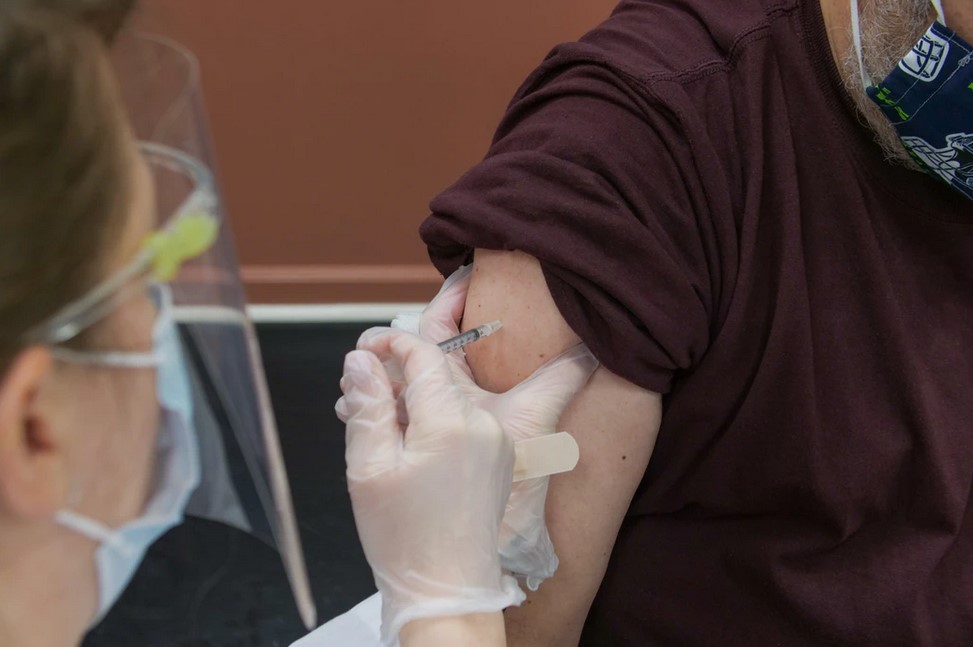
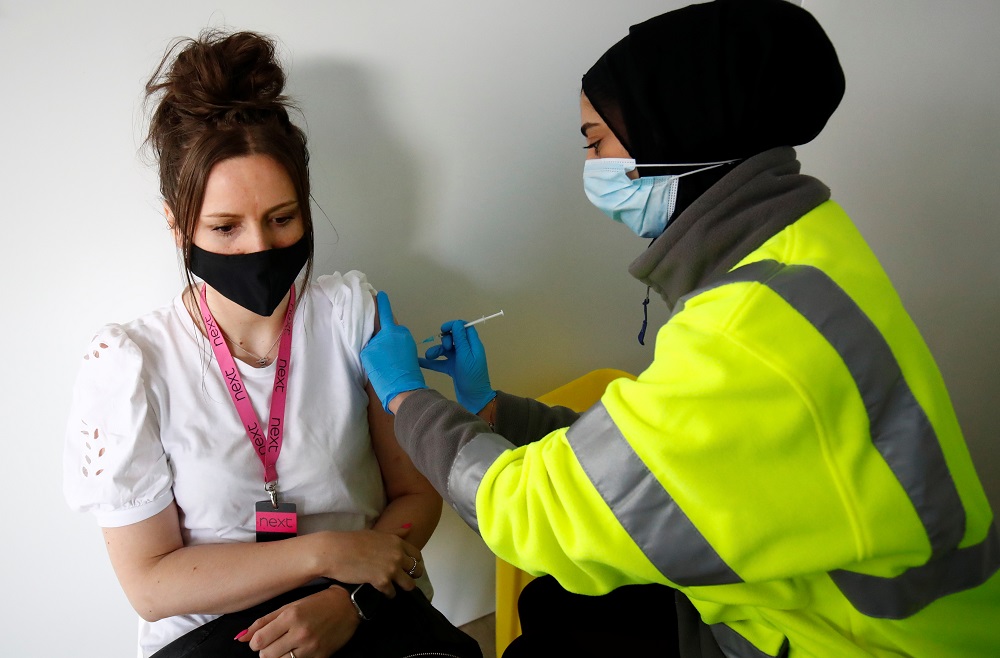
Nearly 140,000 life-saving Covid-19 jabs have now been given in Wolverhampton – with increasing numbers of people receiving their second dose.

Latest figures show a total of 138,423 vaccinations have been delivered in the city so far, with 117,044 people having received the first of their two doses and 21,379 patients having had both.

People who are eligible but have not yet had their first jab are asked to do so as a matter of urgency, as more people who have had their first dose begin to receive their second.

First doses of vaccinations are still available to anyone aged 50 and over; anyone who is clinically extremely vulnerable; frontline health and social care workers; and people who are in receipt of Carer's Allowance or are the main carer of an elderly or disabled person whose welfare may be at risk if their carer falls ill.

John Denley, Wolverhampton’s Director of Public Health, said: “The vaccine is the best protection we have against coronavirus and more and more people across the city are now having their second dose. This is important, as it acts as a booster, enhancing immunity and offering longer-lasting protection against infection.

“With over 117,000 people now having had their first dose, it is reassuring to see that more than 20,000 people have now boosted this protection by returning to have their second jab.”

"It's likely that the easing of restrictions as we leave the Covid-19 lockdown will lead to an increase in infection rates so now, more than ever, is the time to get your jab if you are eligible and haven’t yet had it.”

For more information about the vaccine, including the answers to frequently asked questions, please visit www.wolverhampton.gov.uk/vaccine or www.nhs.uk/covid-vaccination. People will need to register with a GP surgery in England in order to receive the vaccine. For more details, please visit www.nhs.uk/nhs-services/gps.

Latest figures show there were 44 new cases of Covid-19 per 100,000 people in Wolverhampton over the seven days to 6 April. That means 116 people in the city tested positive for the virus in that seven-day period – though the true number of new cases will likely be higher.

Anyone with symptoms of Covid-19, which include a fever, a new continuous cough or a change to the sense of taste or smell, must immediately self-isolate and book a PCR test by visiting www.gov.uk/get-coronavirus-test or calling 119.

The latest information and guidance around coronavirus is available at www.gov.uk/coronavirus and on the council’s own coronavirus pages at www.wolverhampton.gov.uk/coronavirus. Further details of the lockdown restrictions currently in place, and the answers to frequently asked questions, are available at www.wolverhampton.gov.uk/covidalert.

A new study conducted at the University of Worcester and published in The Journal of Steroid Biochemistry and Molecular Biology, has found low fat diets decrease men’s testosterone levels by 10-15%.

Optimal testosterone levels are critical to men’s health. Low testosterone levels are linked to a higher risk of heart disease, diabetes, and Alzheimer’s disease. Healthy testosterone levels are also key for men’s athletic performance, mental health, and sexual health.

Since the 1970s, there has been a decrease in men’s average testosterone levels and rates of hypogonadism (medically low testosterone) have been increasing. Low risk dietary strategies could be a useful treatment for low testosterone.

The study was a systematic review and meta-analysis, which combined together the results of 6 well-controlled studies with a total of 206 participants. These studies first put men on a high fat diet (40% fat), and then transferred them to a low fat diet (20% fat), and found their testosterone levels decreased by 10-15% on average. Particularly bad were vegetarian low fat diets causing decreases in testosterone up to 26%.

The authors linked their results to similar studies conducted in humans and mice. These studies found high intakes of monounsaturated fats found in olive oil, avocados, and nuts may boost testosterone production.

However, omega 6 polyunsaturated fats predominantly found in vegetable oils, may damage the cells’ ability to produce testosterone. This is because highly unsaturated fats such as polyunsaturated fats are more prone to oxidation, which causes cell damage.

"Low testosterone levels are linked to a higher risk of heart disease, diabetes, and Alzheimer’s disease."

The authors stated that further research needs to be done in this important area. The lead researcher Joseph Whittaker said, “Ideally, we would like to see a few more studies to confirm our results. However, these studies may never come, normally researchers want to find new results, not replicate old ones. In the meantime, men with low testosterone would be wise to avoid low fat diets”.

Dietary fat is a controversial topic in nutritional science, with proponents of various diets often in stark disagreement (low fat vs low carbohydrate). The benefits of low fat diets such as reduced cholesterol levels, should be weighed up against the potential downsides, such as decreased testosterone levels.

Traditionally, dietary guidelines have focused on limiting fat intake, with the current UK and US guidelines limiting fat intake to less than 35% of total calories. However, as more research on the benefits of high fat, low carbohydrate diets is done, this traditional view is coming under increasing scrutiny.

In recent years, high fat diets have been shown to decrease triglycerides, decrease blood pressure, increase HDL cholesterol (aka ‘good cholesterol’), and now with this latest research: increase testosterone levels.

British healthcare company Salutaris People, which operates across the UK providing private Covid-19 testing for airline passengers, private individuals and businesses, has warned of the “dangerous precedent” the UK Government is setting by sending out twice-weekly Covid-19 lateral flow test kits. 

Ben Paglia, MD of Akea Life, the clinical testing partners to Salutaris People, said: “The Government is setting a very dangerous precedent by sending out twice-weekly lateral flow testing for the public to self-administer. We know that when the public self-administer lateral flow tests, the accuracy of results can be greatly hindered.

“The number of false negatives can increase significantly simply due to the lack of understanding people will have in testing themselves. This in itself can also lead to the ‘false reassurance’ that a person is ‘negative’ when in fact they may be positive or asymptomatic but carrying the virus.

“We know that when the tests are administered by trained healthcare professionals, the results accuracy will increase significantly. This is why the tests are indicated for healthcare professional use only.”

MD of Salutaris People, Ben Paglia and Ross Tomkins, both firmly believe that where lateral flow tests are to be administered in place of PCR tests, they should be carried out only by trained healthcare staff. Not only does this minimise the risk of false positives, but the healthcare provider can also validate a person’s genuine test result with a certificate of authentication or upload those results to a health passport.  

Ross said: “If this is part of the Government’s plan to use lateral flow self-testing kits in a health passport environment – where members of the public upload their own lateral flow test results to a health passport – then this leaves the system wide open to abuse. 

“A person who wants to go to a football match, for example, may test positive and abuse the system by uploading a false test result. Given the choice of self-testing and self-authentication, this could then very easily allow widespread abuse of the system to make a person ‘permanently negative.’ We have seen this type of situation happen where a person has tested positive and refused to self-isolate.  

“The only way this system will work effectively is for trained healthcare professionals to administer all Covid testing to make sure the test is carried out properly. They can ensure the results are accurate and a certificate is issued, or a test result is scanned and uploaded to a health passport to verify and validate a genuine test result.”

Salutaris People is the lead partner in the first rapid PCR test facility at a UK airport. The healthcare company is working in partnership with the Test Assurance Group (TAG) and Liverpool John Lennon Airport. The express testing suite, which has its own on-site laboratory at the airport, provides clients with a rapid PCR test and certificate in under 3 hours, offering Fit to Fly and Test to Release alongside 2- and 8-day testing. It is one of the only airports in the UK able to do this, compared to the normal 48-hour turnaround for PCR tests.  

The healthcare company is also on the UK Government’s approved list of Covid-19 test providers. Salutaris People will have 5 clinics operating by the end of this month, including Liverpool John Lennon Airport, Wilmslow in Cheshire, Newcastle Upon Tyne, Stockton-On-Tees and Sunderland. These sites will provide Covid-19 testing for all airline passengers in the North East who want to fly from Newcastle International Airport and Teesside International Airport. Both the Liverpool and Wilmslow sites will provide Covid-19 testing for airline passengers wishing to fly from Manchester and Liverpool. 

Salutaris People was formed in 2020 by healthcare entrepreneurs and disruptors Ross Tomkins CEO (Therapy Direct, Normedica) and Ben Paglia CEO (Akea Life). Combining more than 30 years of collective expertise in the healthcare sectors, they wanted to develop a trusted healthcare brand and become a provider of Covid-related medical services. The company provides a range of medical services, including PCR Covid-19 testing for businesses, private individuals and airline passengers. It also supplies rapid antigen and rapid antibody testing for UK businesses and remote telemedicine services for both business and the general public.

Akea Life, the clinical partner to Salutaris People, is a CQC-registered, 5-star private GP medical business, providing the UK’s first fully private concierge medical service of private doctors, healthcare professionals and nurses. The practice also retains a Covid-19 Consultant Virologist to advise on all matters related to Covid-19.

Salutaris People, in conjunction with its healthcare and clinical partners Akea Life, Therapy Direct and Normedica,are also offering a unique Covid-19 Concierge Service to clients by bringing private Covid PCR testing to their location. A trained health care professional will come to a private residence, hotel or location and administer PCR tests. The tests are then couriered back to the mobile laboratory facilities, providing express PCR results within 1-3 hours. The company also plans to offer this service across the UK in other key locations and airports.