Colors: Purple Color

The impact of COVID-19 on older people and their carers in Coventry and Leicester’s BAME communities will be explored as part of a major new study into how social and economic inequalities have affected health and care provision during the pandemic.

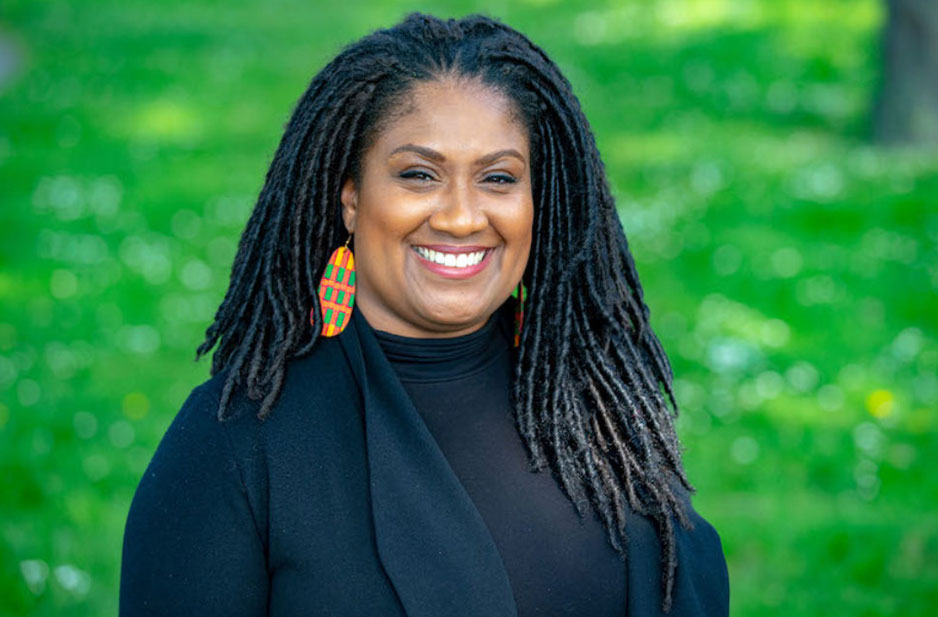
Professor Shirin Rai of Warwick’s Department of Politics and International Studies is one of nine academics from across the UK who have formed the Consortium on Practices for Wellbeing and Resilience in Black, Asian and Minority Ethnic Families and Communities (Co-POWeR).

Professor Rai will focus on the interaction of care, caring and carers within BAME families and communities in Coventry and Leicester, seeking to understand how COVID-19 has affected those being cared for as well as their paid and unpaid carers, and recommending ways to increase their wellbeing and resilience.

Some of the stories encountered during the research will be dramatized in partnership with Coventry’s EGO theatre group to provide a powerful narrative illustrating the interaction of the COVID-19 pandemic with the social and institutional discrimination faced daily by BAME groups in the UK.

Professor Rai said: “I am looking forward to working with colleagues and with BAME communities in Coventry and Leicester on this important issue to develop a rigorously researched, innovative and participative piece of work with policy relevance.”

The UKRI Agile Research and Innovation Response to COVID-19 has awarded £2.5 million to create the Consortium on Practices for Wellbeing and Resilience in Black, Asian and Minority Ethnic Families and Communities (Co-POWeR).

Co-POWeR will explore how emergency COVID-19 powers are disproportionately impacting people from BAME backgrounds, and how the pandemic is affecting care and caring, as well as mental and physical health and wellbeing across all ages.

The group will be led by Iyiola Solanke, Professor of EU Law and Social Justice in the University of Leeds School of Law. Co-POWeR is a multi-disciplinary consortium of nine academics from across the UK who are all members of the Black Female Professors Forum

Joining Professor Solanke in the consortium are:

·             Florence Ayisi, Professor of International Documentary Film from the University of South Wales

·             Professor Claudia Bernard, Professor of Social Work & Head of Postgraduate Research at Goldsmiths, University of London

·             Gargy Bhattacharyya, Professor of Sociology at University of East London

·             Anna Gupta, Professor of Management at Royal Holloway

·             Raminder Kaur, Professor of Anthropology and Cultural Studies at the University of Sussex

·             Monica Lakhanpaul, Professor of integrated Community Child Health at University College London

·             Shirin Rai, Professor of Politics and International Studies at the University of Warwick

·             Maria Stokes, Professor of Musculoskeletal Rehabilitation at the University of Southampton.

Sabu Padmadas, Professor of Demography and Global Health at the University of Southampton, will be providing statistical expertise.

The researchers will form a People’s Commission to conduct interviews with people in BAME families and communities to establish what support is needed.

UKRI Chief Executive Professor Dame Ottoline Leyser said: “The COVID-19 pandemic has exacerbated longstanding inequalities in health, employment and education in the UK.

Emerging evidence suggests that people from Black, Asian and Minority Ethnic backgrounds have experienced the hardest economic shocks. We cannot ignore the social, cultural and economic factors that have shaped the experiences of Black, Asian and Minority Ethnic communities throughout the pandemic.

“It is crucial that we understand the depth and breadth of the impacts of these factors so that we can take action to alleviate the consequences for these communities.”


With Valentine's Day just around the corner, Sandwell Council’s Domestic Abuse team want to raise awareness of abusive relationships and let victims know there’s help available.

Domestic abuse isn’t always physical. Coercive control is an act or a pattern of acts of assault, threats, humiliation and intimidation or other abuse that is used to harm, punish, or frighten victims. Many abusive relationships are a pattern of physical, emotional, sexual and verbal abuse that escalate over time - often without people even realising. Victims can often be ashamed or embarrassed to seek help – or have been made to believe by perpetrators that the abuse is their fault. However, there’s no excuse for domestic abuse. Victims are not to blame and support is available.

The Domestic Abuse team would like to share, Tina’s Story. She was murdered by her partner in 2017. Her partner had subjected her to years of abuse and controlling behaviour.

He was jailed for life with a minimum of 24 years for her murder. How do you know if this is happening to you?

Some common examples of coercive behaviour are:

• Isolating you from friends and family
• Depriving you of basic needs, such as food
• Monitoring your time
• Monitoring you via online communication tools or spyware
• Taking control over aspects of your everyday life, such as where you can go, who you can see, what you can wear and when you can sleep
• Depriving you access to support services, such as medical services
• Repeatedly putting you down, such as saying you’re worthless
• Humiliating, degrading or dehumanising you
• Controlling your finances
• Making threats or intimidating you.

Councillor Farut Shaeen, cabinet member for living healthy lives said: “At this difficult time it is important that everyone knows that there is a huge amount of support available to those who find themselves victims of domestic abuse.

“Domestic Abuse is never acceptable in any circumstance but it is perhaps even more terrifying for victims when they are living in such close proximity to the perpetrators. Please be assured that victims of Domestic Abuse are an absolute priority for the police and support agencies."

Sandwell Council Deputy Leader Councillor Maria Crompton added: "For most people, Valentine’s Day is a day to celebrate their relationships and the love they share with their partner. However, for many it is just another day of living in fear of abuse. Love and relationships should be based on equality and respect, not violence and abuse.

“We are only too aware that not every home is a safe one and, during this lockdown period, there is a heightened risk of domestic abuse. If anyone is experiencing domestic violence or is at risk then help is here. Sandwell Council is continuing to provide critical services to our residents when they need them most - all you need to do is call us."


Sources close to the UK government have said UK residents returning from coronavirus hotspots abroad will have to quarantine in hotels from February 15. Owners will be asked to provide accommodation for more than 1,000 new people every day, documents suggest. Passengers will have to stay in their rooms for 10 nights, with security guards accompanying them outside.

Labour called the measures "too little, too late" to deal properly with new overseas strains of Covid. It is beyond comprehension that these measures won't even start until 15 February," said shadow home secretary Nick Thomas-Symonds.

The airports thought to be under consideration as locations for quarantine hotels are Heathrow, Gatwick, London City, Birmingham, Bristol, Manchester, Edinburgh, Glasgow and Aberdeen. The rules are expected to apply to UK nationals and residents returning to the country from 30 "red list" Covid-19 hotspots, including several South American and African countries where new Covid variants have detected in large numbers of people.

Kate Nicholls, chief executive of the industry body UK Hospitality, said bosses and staff were ready to provide assistance "as and when hotels will be needed". A further 915 people have died within 28 days of a positive coronavirus test in the UK, according to the government's daily figures. This brings the total number of people to die within 28 days of a positive Covid-19 test to 110,250.

According to revealed documents, the government wants quarantine hotels to be made "available on an exclusive basis". Guests will have three meals a day - hot or cold - in their rooms, with tea, coffee, fruit and water being available.

Security will "accompany any of the arrived individuals to access outside space should they need to smoke or get fresh air", one document says. One hospitality industry source said the government estimated the cost at about £80 per night per person, but there were still questions as to whether passengers or the state would pay. They said that the bill could reach £55m.

With hotel quarantine already in place in the likes of New Zealand and Australia, foreign nationals from high-risk countries are already facing UK travel bans. Mr Thomas-Symonds said: "We are in a race against time to protect our borders against new Covid strains. Yet hotel quarantine will come in to force more than 50 days after the South African strain was discovered."

Labour has called on the government to extend hotel quarantining to those returning to the UK from all countries, not just the areas on the "red list". But the Conservatives described the plan as "implausible", arguing it would mean putting around 20,000 people in hotels every day.

Innova Medical Group has confirmed the company's SARS-CoV-2 Antigen Test kits can successfully detect the several mutated Covid strains which have become more widespread around the world in recent weeks. Innova, the world’s largest manufacturer of rapid antigen test kits, said the wide-ranging detection capabilities demonstrate the tests' importance to nations and businesses alike in containing these more contagious strains. 

“As these dangerous strains show signs of increased transmissibility across communities, the global effort to eliminate COVID-19 requires frequent, comprehensive and equitable testing to detect these emerging strains,” said Daniel Elliott, President and CEO of Innova Medical Group. “We’re proud to supply our partners around the world with cost-effective, readily available tests which can successfully detect and track the spread of multiple strains of the virus and ultimately play a major role in assisting the global health community in stamping out this pandemic.”  

Numerous scientific studies have shown rapid antigen tests as an important tool for identifying infectious people quickly and accurately, even when they may not have symptoms of COVID-19, in ways that simply are not possible with slower, more expensive, lab-based tests. While the virus continues to morph its genetic ribonucleic acid (“RNA”) to generate new and potentially more contagious variants, Innova’s antigen test, which instead looks for multiple proteins in the virus, can often be a more effective tool in detecting new variants. 

In recent weeks, leading scientists and health authorities in the US, UK, and several other nations have warned the mutated strains of the SARS-CoV-2 virus first discovered in the UK, South Africa, and Brazil appear to be more contagious than the original strains that emerged at the beginning of 2020. The increased prominence of these variants has highlighted the global need for an increased availability of cost-effective, rapid-result tests capable of detecting these strains.   

The Innova test does just that and Innova can presently produce more than 10-million of them every single day.  In addition, the company is actively hiring and staffing as it launches its ambitious initiative to produce an estimated 50 million antigen test kits per day by Spring of 2021. Innova Medical Group, Inc. delivers better global health outcomes with its deep expertise in testing and unique offerings in diagnostic medical devices and services that help tackle some of the world’s most challenging healthcare problems.

Innova specialises in innovative screening, testing and diagnostics for cancer, heart disease, arterial calcification, stroke, and virus detection focused on infectious disease. In response to the global pandemic, Innova developed an end-to-end ecosystem of rapid diagnostic and screening tests, along with digital reporting and tracing applications to help organisations manage the COVID-19 crisis. 

Regius Professor of Medicine at the University of Oxford and member of the government’s vaccine task force, Professor Sir John Bell, has given his backing for what he has called the “game-changing” national Trials Acceleration Programme (TAP) - a blood cancer clinical trials network funded by the charity Cure Leukaemia. Despite the impact of COVID-19 on the delivery of blood cancer clinical trials across the UK, and the £1,500,000 fundraising shortfall Cure Leukaemia faced in 2020 due to the pandemic, TAP enabled a new study named PACE, examining the effects of COVID-19 and other infections on patients with blood cancer, to be setup in under 1 month. PACE has now recruited 200 patients from 30 UK hospitals. Work has also continued on new trials during the pandemic meaning a further 5 TAP trials are due to open in the next 12 months.

Speaking about TAP, Professor Sir John Bell said: “Cure Leukaemia’s funding of the UK Trials Acceleration Programme (TAP) is a game-changer and increases the access for blood cancer patients to potentially transformative new therapies through the delivery of practice informing clinical trials which not only saves lives but also increases investment into this country’s economy.

“We have seen the urgent importance of clinical trials to combat the COVID-19 virus and we must not lose sight of the transformative role networks like TAP play in connecting blood cancer patients in the UK with critically important clinical trials.” To mark World Cancer Day, Cure Leukaemia was keen to highlight that this vital clinical trial network is continuing to offer blood cancer patients, from a UK catchment area of over 20 million people, access to potentially lifesaving and practice informing clinical trials.

One of these clinical trials, VICTOR, is a clinical trial for blood cancer patients with acute myeloid leukaemia (AML). VICTOR, which is funded by Cancer Research UK, is due to open at over 40 UK sites (including the 12 TAP sites funded by Cure Leukaemia) in early 2021 and will be co-ordinated by the TAP Hub which also receives funding from Cure Leukaemia and is based at the Centre for Clinical Haematology in Birmingham.

AML affects more than 3,000 people in the UK every year and VICTOR will examine the efficacy of the treatment venetoclax as an alternative to the intensive chemotherapy currently available to patients under standard care. The study will investigate if venetoclax is able to target and kill leukaemia cells more selectively, producing outcomes at least as good as the standard of care option with fewer long and short-term side effects. The trial will initially start with patients aged 60 or over and, if successful, younger age groups will be added.

Chief Investigator for VICTOR, Dr Richard Dillon from King’s College London said: “I am delighted that so many sites across the UK (41) as well as Centres in Denmark and New Zealand will be running this important clinical trial. We are all very excited to get started to see if we can improve the standard of care for patients with AML. I am immensely grateful to the Cure Leukaemia funded TAP, its Hub and Cancer Research UK for making this study possible and it has highlighted to me how by working together we can really start to make big changes for people with this horrible disease.”

Cure Leukaemia chief executive James McLaughlin said: “Despite the ongoing challenges we are facing due to COVID-19, we are keen to highlight on World Cancer Day that pioneering treatments are still being made available to blood cancer patients across the UK. VICTOR is just one of 5 clinical trials due to be opened and delivered by TAP in the next 12 months and to ensure that this network can continue to offer hope to patients we must address the £1,500,000 fundraising shortfall we recorded in 2020.

It is vital that we continue to raise the funds required to sustain this network and give clinicians across the UK the opportunity to trial new and potentially practice informing clinical trials.”

Cancer Research UK’s chief executive, Michelle Mitchell said: “A decade ago, Cancer Research UK scientists were involved in clinical trials to help establish the current treatment for AML, but it’s still proving to be hard to treat. It’s exciting to hear that new clinical trials like VICTOR could soon be delivering a better and less intensive treatment for people with cancer, and we look forward to seeing what the future holds.”

Cure Leukaemia wrote to Chancellor Rishi Sunak MP in April 2020 requesting financial support from the government after a number of the nurses the charity funds were re-deployed to work on the front-line to combat the virus. James continued: “We are still waiting for a response from the Chancellor to our letter last April. Today’s announcement highlights the vital importance of the TAP to offer hope to the 38,000 people diagnosed with a form of blood cancer every year in the UK and I hope that the government can recognise the national importance of TAP and also the direct impact our nurses have had on the UK’s response to this pandemic.”

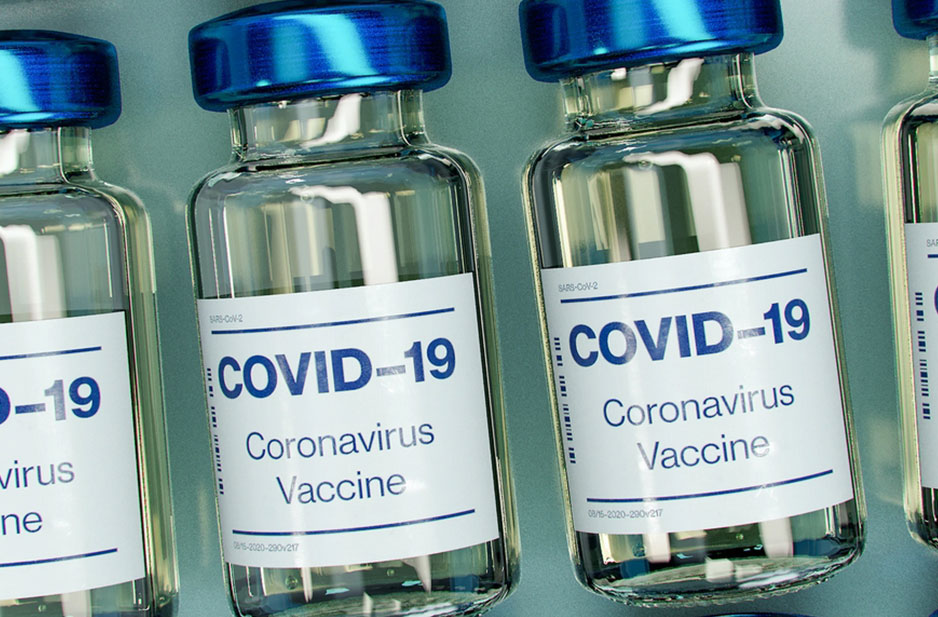
A Covid vaccine has been offered to all older residents at eligible care homes in England, the NHS has announced. Prime Minister Boris Johnson described the achievement as a "crucial milestone".

target of 15 February has been set for the UK to vaccinate care home residents and carers, people over 70 and frontline care workers. Nearly nine million people in the UK have had the first dose of a vaccine.

NHS England said more than 10,000 care homes with older residents had been offered jabs, although a "small remainder" of homes had visits deferred by local public health directors for safety reasons during local outbreaks. These will be visited by vaccinators as soon as NHS staff are allowed to do so, it said. Meanwhile, the UK has ordered an extra 40 million doses of a vaccine from the French pharmaceutical company Valneva, which should become available later in the year and into 2022.

Mr Johnson said vaccines were the "route out of the pandemic" but warned there will be "difficult moments to come" with the number of cases and people in hospital still "dangerously high. This is a marks a crucial milestone in our ongoing race to vaccinate the most vulnerable against this deadly disease."

Social Care Minister Helen Whately said the vaccine had been offered to every care home in England where it was possible for teams to go in. She said: "Any care home that hasn't been contacted, just let me know and I will personally follow up.”

Asked whether care home workers should be compelled to have the vaccine, she said "at the moment" the government was trying to educate, encourage and reassure people who had reservations. She also said there were no plans to give care home residents their second jab quicker to allow visiting but the government was working on "what we can do to enable visiting" again.

Asked if care home visits would have to wait until residents had received both doses, she said: "I'm not saying that", before adding that "at the moment it's too soon" to allow indoor visiting as it takes time "to build up immunity".

A record 598,389 first jabs were given across the UK. Scotland is expected to complete the first stage of its rollout, including care homes, by 5 February, whilst, in Wales, around 75% of care home residents have had their first jab, while in Northern Ireland the government has said 100% of care homes have received a first dose.

Care UK chief executive Andrew Knight said almost all the company's residents had been offered a jab and "the majority of our colleagues" had been vaccinated. However, some care home staff have refused to have the vaccine due to "cultural issues", according to the National Care Association's executive chair Nadra Ahmed. She said: "We have to convince people that this vaccine is for them. That it's for the staff to protect them and therefore protect the services they work in."

Sam Monaghan, chief executive of leading care home group MHA, said the government's decision to increase the gap between the first and second doses of the vaccines to 12 weeks had been "difficult" and he hoped the second dose could be accelerated "so that we can look at reuniting residents with their relatives". He also called for the government to provide "clarity" on what would be possible in care homes once people have had both doses of the vaccination, adding: "People have been separated for such a long time."

Research has just revealed that the humble guinep fruit could be a leading aid in the fight against blood pressure. It is also understood to be a conduit in managing complications such as cardiac arrests, plus other medical problems that affects heart muscles. And tests are now being carried out in preparation for clinical trials.

The research, which have been exploring how, and why, the chemical properties induce positive effects on health is offering hope for the development of cheaper, more accessible medicines for the pharmaceutical industry worldwide. And, where treatment options are often expensive and out of the reach of many, for certain heart conditions, the small, sweat and fulfilling fruit can prove to be an affordable relief to many people.

Central to the findings was lead researcher Dr Chukwuemeka Nwokocha, a lecturer in medical sciences at The University of West Indies (UWI) who has said that he is tapping into natural and easily accessible products for medicine, potentially limiting the risk of side effects and insulating the vulnerable from out-of-reach costs.

“We are seeking a greater understanding of the scientific evidence from our research,” he said “and to validate the mechanism of action, toxicology analysis. We are looking to isolate the medical principles of the extracts of guinep.” Scientifically named Melicoccus bijugatus Jacq, the pulpy drupe bears seasonally, usually in the summer months and is similar to the lychee, which is often called Chinese guinep.

The research team have also conducted studies on mango and soursop.

More than half of Brits (54%) are determined to get more physically active as a result of the Covid-19 pandemic, according to a British Heart Foundation (BHF) survey released to kick-off National Heart Month. The figures reveal the toll that repeated lockdowns have had on many people’s view of their health. 

Most respondents said they were more concerned about their physical (63%) and mental health (56%) because of the pandemic, and around half said they feel unhealthier (48%) as a result. Nearly half (46%) also said they’ve put on weight. But the survey suggests most people are keen to use the pandemic as a motivator for change:


·         54 per cent said they are determined to be more physically active.   

·         52 per cent intend to eat a healthier diet. 

·         34 per cent plan to cut down on drinking alcohol.  

·         52 per cent are determined to cook healthier meals. 

In response, the BHF, backed by multi-medal winning Olympian Roger Black MBE, is using National Heart Month to encourage the public to do at least one thing to improve their heart health in February. The charity has launched a range of challenges -including MyCycle and My Step Challenge - to encourage people to make gradual improvements to their lifestyle while raising vital funds for its work.  


Roger, who was diagnosed with a congenital heart condition aged 11, said: “During lockdown, many of us will be looking for new ways to boost our health while following the government’s guidelines, which is why National Heart Month is the ideal time to start looking after your heart. You don’t have to run a marathon to keep fit - the BHF has a variety of virtual challenges such as MyCycle and My Step Challenge to help get you started, all of which you can do outside or from the comfort of your own homes.” 

“This February, I’m teaming up with the BHF to call on the nation to do at least one thing to improve their heart health while raising funds for the charity’s lifesaving research.”  Despite the challenge of lockdown, four in ten (40%) people said they have managed to exercise more during the pandemic and one in three (34%) said they have eaten a healthier diet. This compares to a quarter who say they have done less exercise (25%) and eaten more unhealthily (25%).  


Barbara Kobson, Senior Cardiac Nurse at the British Heart Foundation, said: “While some people have adopted healthier habits during lockdown, many others have found themselves concerned about their long term physical and mental health. National Heart Month is the perfect opportunity to make small changes to your lifestyle that could help make a big difference to your heart health.

“Small changes, such as moving more, cutting down on alcohol, and eating a more balanced diet can have a big impact. Many people find setting a goal a great way to get motivated. If you need help getting started, challenges, such as MyCycle and My Step Challenge, are a fun and easy way to make some healthy changes and could raise vital funds for our life saving research.” 

MyCycle and My Step Challenge are virtual fundraising challenges from the BHF designed to motivate you to move more. Through MyCycle people can take on the challenge of riding 100, 200, 300 miles in a month, while My Step Challenge encourages people to walk 50,000, 100,00 or 500,000 miles in 4-6 weeks. Government advice recommends adults should aim for at least 150 minutes of moderate intensity activity, or 75 minutes of vigorous intensity activity each week.  Despite this, 37% of adults in the UK are not meeting the recommended physical activity requirements.  

The Roger Black Fitness online shop launches in Spring 2021 offering 'home fitness for everybody'. The range includes static and folding bikes and treadmills plus a cross trainer and rower. Roger Black Fitness small accessories and weights will be introduced later this year.

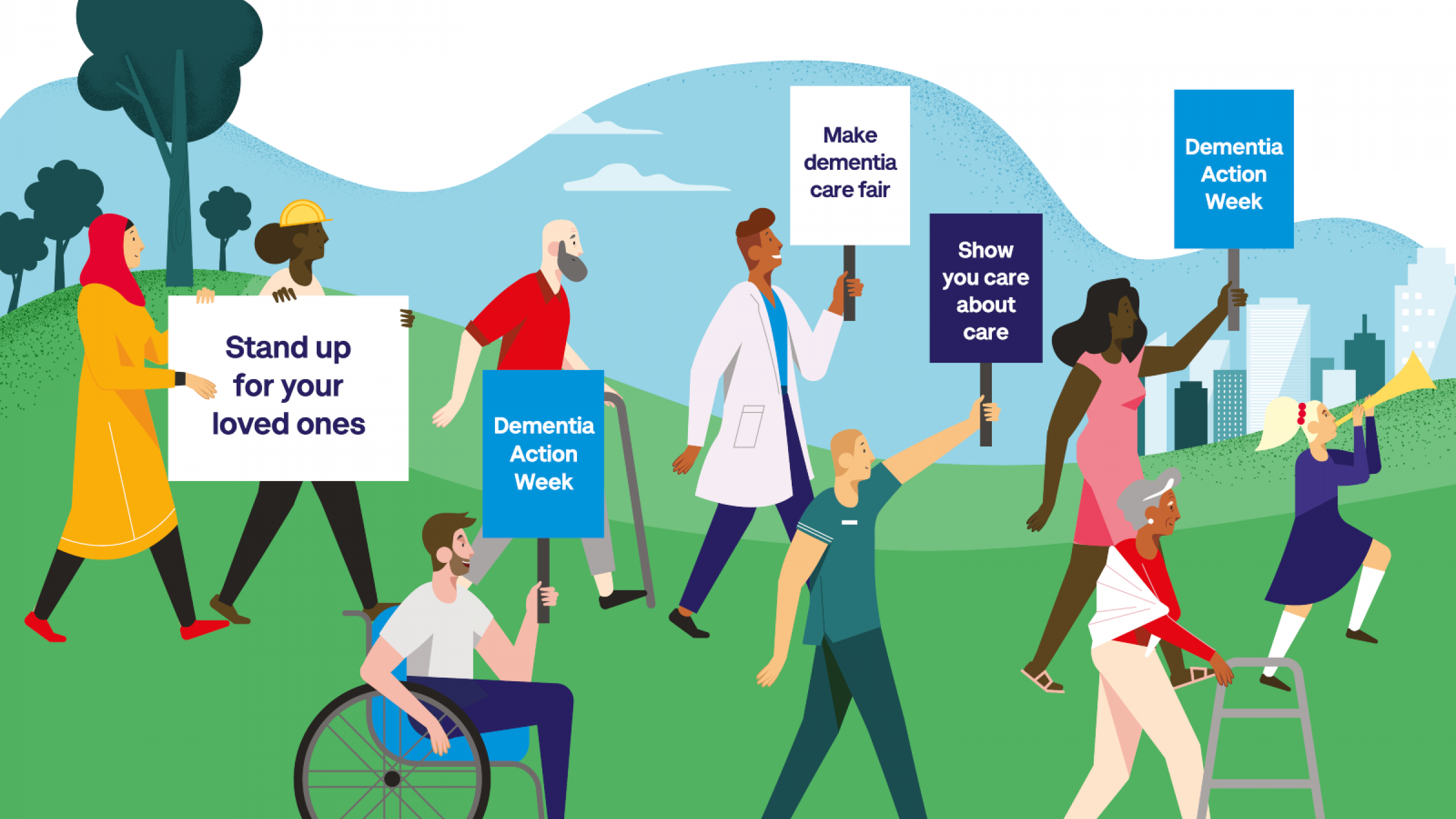
Led by Alzheimer’s Society, the annual Dementia Action Week is a national event that sees the UK public coming together to take action to improve the lives of people affected by dementia. For Dementia Action Week 2021 (May 17 – 23), Alzheimer’s Society is asking the public in the West Midlands to take a stand and urge Government to transform the social care system for hundreds of thousands of families facing dementia today, and for generations to come.

Looking to the future, one in three of us born in the UK today will go on to develop dementia in our lifetime, and there will be one million people living with dementia by 2025, making dementia care the greatest healthcare challenge facing society. Unlike any other health condition, it’s social care, not the NHS that people with dementia rely on every day, getting a raw deal just because they developed dementia.

They are by far the majority of social care users. The coronavirus pandemic has brutally exposed how our broken social care system fails people with dementia, showing how deeply unfair, difficult to access, totally inadequate and expensive it is. The opportunity for change is now.

Alzheimer’s Society is calling on the Government to rebuild the social care system in 2021 so every person with dementia and every carer in the West Midlands can get the quality support they need to stay happy, healthy and independent for as long as possible. This means quality care that is right for them, free and easy to get, no matter where you live - like the NHS and schools. A social care system we can all be proud of that gives the peace of mind and dignity that everyone deserves. We won’t stop until everyone can access the dementia care they so critically need, now and in the future. 

The government have promised to fix social care in the UK – they must hold them to that promise. Successive governments have failed to address social care for decades – the time has come to set that right, to leave a legacy to be proud of. There are lots of ways to get involved in Dementia Action Week. Whether you’d like to sign up to join the campaign or help spread the word among your friends, workplace or community, we will have tailored resources full of ideas and advice on the simple ways you can take part.

Alzheimer’s Society is the UK’s leading dementia charity. We provide information and support, improve care, fund research, and create lasting change for people affected by dementia.


Alzheimer’s Society will be asking people to get involved by urging government to act now and transform the care system for families facing dementia.

A health minister in Sri Lanka who endorsed herbal syrup to prevent Covid-19 has tested positive for the virus. Pavithra Wanniarachchi was said, by a media secretary at the Ministry of Health, to have tested positive. With Sri Lanka recording 56,076 cases and 276 deaths since the pandemic began, she had promoted the syrup, manufactured by a shaman who claimed it worked as a life-long inoculation against the virus. Cases are surging in recent months.

Ms Wanniarachchi is the fourth minister to test positive. A junior minister, who also took the potion, also tested positive. The health minister had publicly consumed and endorsed the syrup as a way of stopping the spread of the virus. The shaman who invented the syrup, which contains honey and nutmeg, said the recipe was given to him in a visionary dream.

Doctors in the country have quashed claims the herbal syrup works, but AFP news agency reports thousands have travelled to a village to obtain it. Viraj Abeysinghe, media secretary at the Ministry of Health said Ms Wanniarachchi took two Covid-19 tests and both returned positive results. The minister has been asked to self-isolate and all of her immediate contacts have gone into isolation.

News of Ms Wanniarachchi's positive test came hours after Sri Lanka approved the emergency use of the Oxford/AstraZeneca vaccine. The first doses are expected to arrive in the country within the week.

Sri Lanka isn't the only place where people in positions of power have promoted unproven treatments for Covid. Last year, Madagascar's President Andry Rajoelina was criticised for promoting a herbal concoction that he claimed could prevent the virus. He was pictured distributing the tonic to poor communities in the capital.

Since the pandemic began, a number of world leaders and cabinet members have contracted Covid. French President Emmanuel Macron, UK Prime Minister Boris Johnson and former US President Donald Trump all caught the virus at various points last year.

Africa will have to wait "weeks if not months" before receiving Covid-19 vaccines approved by the World Health Organization, according to various officials working towards getting doses for the continent. Close to 900 million doses have been secured so far through various initiatives; enough to inoculate about 30% of the continent's 1.3 billion people this year.

Hoarding by wealthy nations, funding shortfalls, regulations and cold chain requirements have slowed the process of rolling out the vaccines. "The world is on the brink of a catastrophic moral failure and the price will be paid with lives and livelihoods in the poorest countries," warned WHO head Dr Tedros Ghebreyesus.

Calls for equity have been growing. Close to 40 million doses have been administered in at least 49 higher-income countries, compared to just 25 doses given in just one of the lowest-income countries, according to Dr Tedros. "Not 25 million, not 25,000, just 25," he said, without saying which country. So far, none of the main, Western vaccines has yet been administered in Africa, almost two months after the first doses were rolled out in Europe.

A coalition of organisations and activists dubbed The People's Vaccine Alliance found that "rich nations representing just 14% of the world's population had bought up more than half (53%) of all the most promising vaccines." That included all of Moderna's vaccines for 2021 and 96% of Pfizer's expected production.

Canada topped the chart, according to the data by analytics company Airfinity, "with enough doses to vaccinate each Canadian five times". Much of that demand has to be met before lower income countries can have a turn. In Africa, the situation rekindles memories of the 1990s, when antiretroviral (ARV) treatment for HIV/Aids was made in the United States.

Even though the continent had a much bigger population of people infected with HIV, it took at least six years before the life-saving treatment could be available for Africans.

Twelve million people died in Africa from Aids-related complications in a decade, even as mortality in the US dropped drastically, according to analyses by the Africa Centers for Disease Control and Prevention. UNAids Executive Director Winnie Byanyima has been at the forefront of those calling for fairness from Covid-19 vaccine manufacturers. “We're not asking them to make loses," she said.

With the ARVs, it was pressure from people living with HIV and champions of the right to life that got governments to allow for the production of generic treatments which were much more affordable. "The price [of antiretroviral treatment per person] dropped from $10,000 per year [per person] to just $100 per year."

She wants the same approach for the Covid-19 vaccine,urging the pharmaceutical industry "not to be driven by the desire for super profits". They can still make profits even if they share their formulae, she added.

The WHO head is also calling for equity: "Even as they speak the language of equitable access, some countries and companies continue to prioritise bilateral deals, going around Covax, driving up prices and attempting to jump to the front of the queue," he said.

The Covax facility is an initiative of the WHO and the Vaccine Alliance to equitably distribute Covid-19 vaccines across the world.

"Most supply of the leading vaccines was pre-ordered by wealthy nations even before the safety and efficacy data was made available," said Dr Richard Mihigo, head of immunisation and vaccine development at the WHO Africa office.

Asked why Covax didn't do the same, he said securing funding was the first task the initiative engaged in. So far, $6bn has been raised out of a target of $8bn for 92 middle- and low-income countries, according to Thabani Maphosa of the Vaccine Alliance, Gavi.

So far, the facility has secured two billion doses for this group of countries, which includes all of Africa. Some 600 million are for the continent.

The African Union has made arrangements for member states to apply for $7bn funding from lenders, which would cover up to 270 million vaccines, according to its current chairperson, President Cyril Ramaphosa of South Africa.

But it is not just the purchase of vaccines that needs funding. Countries have also been ramping up their cold chains as they prepare for their arrival. These are especially important for the Pfizer vaccine, which must be kept at -70C.

The UN children's agency, Unicef, which usually deals with distribution of childhood vaccines, will be handling the logistics of delivering Covid-19 vaccines under the Covax facility. The agency is preparing to transport at least twice its usual capacity - what it calls "a mammoth and historic logistical operation".

But before it can be done, countries need to have ready infrastructure to receive and administer the doses. Benjamin Schreiber, who is coordinating the Covax facility for Unicef, says he is "worried that we haven't resourced the roll-out and the preparation enough".

"What we're seeing in the roll-out in some of the high-income countries is that it's complicated, it needs to be resourced and properly planned, and there haven't been enough global resources to lower-income countries," he told the BBC.

In spite of the shortfalls, he paints a more optimistic picture of the continent's ability to introduce new vaccines. "Africa has a lot more experience than many other regions - we've done so many vaccine introductions over the last 10 years and there's good expertise to organise targeted vaccination campaigns."

media captionAfrica CDC's director John Nkengasong: I am very worried

He adds that some countries that have dealt with Ebola also have expertise and ultra-cold chain experience and infrastructure. Even before the pandemic hit, the organisation says it has been supporting cold-chain infrastructure in low-income countries, including the installation of 70,000 fridges, half of which are solar-powered.

The country-by-country status was not immediately available. Mr Maphosa from Gavi said countries were currently submitting documents to the facility to inform it of their readiness to roll out vaccines.

But even if they were ready, regulatory issues still stand in the way. Under the Covax facility, only WHO-approved vaccines can be bought. So far, only Pfizer's has been listed for emergency use by the WHO. The process to approve Moderna and Astrazeneza vaccines is ongoing.

"Vaccines that are being recommended for emergency use need absolutely to meet minimum standards for safety and efficacy," said Dr Mihigo.

More developed countries such as the US and EU states have regulatory agencies that "complement" WHO's work and could therefore roll out vaccines without the body's approval. However, in the developing world, many countries rely on the WHO to do the due diligence, adds Dr Mihigo.

That assurance of quality has a direct impact on people's willingness to take vaccines. A study conducted by the Africa CDC and the London School of Hygiene and Tropical Medicine in the last quarter of 2020 found that a majority of Africans - four out of every five - would be willing to take a Covid-19 vaccine "if it was deemed safe and effective".

Several countries have however rolled out vaccines that have yet to be approved by the WHO. "Our advice is for countries to rely not just on the body's pre-qualification, but also any other competent 'Stringent Regulatory Authority'," said Dr Mihigo.

The Seychelles, Morocco and Egypt are administering the Chinese-made Sinopharm vaccine and Guinea, the Russian Sputnik V.

More must be done to encourage African Caribbean communities to sign up for Covid vaccines, a pastor has said. Emmanuel Adeseko of the New Covenant Ministries, has taken part in a round-table event involving church leaders in Birmingham. They want to encourage people in their communities to be vaccinated. The meeting came after comments last week said uptake of the vaccine in some of the city's most vulnerable communities was as low as 50%.

Birmingham's director of public health Justin Varney said there was evidence that suggested in some areas, half of those being invited for vaccines were turning them down. Such concerns prompted the leader of Birmingham City Council and the city's MPs, both Labour and Conservative, to write to Health Secretary Matt Hancock to appeal for the urgent release of more detailed vaccination data. They said the information would be a vital "warning", allowing them to work to resolve issues on the ground.

Mr Adeseko, 32, whose 65-year-old father Nathaniel died from coronavirus in April, said there was real fear in sections of the community and if the lower uptake was correct he would not be surprised as people were "afraid. Some of it is caused by the mis-information on social media there is so much of it.

"But it's not just one thing, there are religious beliefs at play in some cases and some people have had negative experiences with healthcare in the past." He said education and role models from within communities would be key to addressing these issues.

Former Wolverhampton Labour MP Eleanor Smith, who had a 40-year nursing career before entering politics, also took part in the round-table discussion. She said as a Christian, she would like to see strong interventions from church leaders: "When people are being misinformed on such a grand scale, churches need to step up. I am a Christian myself and I think they need to be clear.

"In my view they need to tell people it is OK to be vaccinated or it's a bit of a cop out." She also praised efforts in other faith communities, adding: "Many imams seem to be doing a good job in trying to get these messages out; we need to see the same." But like Mr Adeseko, Ms Smith said official efforts to dispel myths and reassure people needed to be stepped-up.

"Historically Black people have not always been listened to, or treated equally in terms of medical care, so there is a lack of trust sometimes. We need to deal with it and we need role models within the community," she said.

Andy Street, the Mayor of the West Midlands, said he had been meeting with the region's faith leaders regularly. "I will be discussing with them how best to work with the NHS and Public Health England to alleviate people's concerns and get them vaccinated and protected against this dreadful virus," he said. "Anti-vaxxers spreading the misinformation that dissuades people from getting vaccinated have blood on their hands and should be truly ashamed of their actions."

The government has said more regional data on vaccinations will be made available in due course. The discussion was organised by Labour's deputy leader Angela Rayner and attended by shadow equalities minister Marsha de Cordova. Labour is calling for a national plan to support vaccination in Black, Asian and ethnic minority communities.

People in Birmingham received their Oxford/AstraZeneca coronavirus vaccine injection at the Al Abbas Mosque in Birmingham as the renowned an well-respected place of worship began being used as a Covid-19 vaccination centre.

The mosque in Balsall Heath started as it set out targeting the top four priority groups who are now eligible to get their coronavirus vaccine in England, which means that people who work in health and social care, as well as everyone over the age of 70, care home residents and those who are clinically extremely vulnerable can now be contacted for an Covid-19 jab appointment.

Imam Nuru Mohammed said: “I am elated and inspired that the NHS centre had been set up after help from several medical professionals among the community.

“We stepped in with the intention that this will help to inform those people who are not well-informed about the vaccination.”

Following Health Secretary Matt Hancock telling the House that the country is "in the midst of one of the toughest periods of this pandemic," the minister in charge vaccine deployment, Nadim Zahawi, followed up saying: "Each week the NHS is making it easier for people to get a jab closer to home, in places at the heart of their community from the local pharmacy to the local Mosque."

New modelling from the Tony Blair Institute for Global Change (TBI) has suggested that a quicker rollout, delivering up to 600,000 jabs per day, would mean almost all Covid-19 restrictions could be lifted as early as mid-May.

Former Prime Minister Blair said that the ability to use test and trace had "collapsed" due to the new more transmissible variant, sending "cases rocketing again.

"So now the choice is: mass lockdown or mass vaccination."

Across the UK, as many as 4,973,248 first doses have now been given and 464,036 second doses.

A new survey, commissioned by Public Health England at the start of the current Government restrictions, reveals the impact COVID-19 has had on adults' mental wellbeing across the country.

The research found that almost half (49%) felt that the pandemic has impacted negatively on their mental health and wellbeing (53% of women and 45% of men). Of those surveyed, significant proportions of the population said they had been experiencing more anxiety (46%), stress (44%), sleep problems (34%) and low mood (46%) over the course of the pandemic. The following were the most common reasons people thought the lockdown had negatively impacted their mental health:

·         56% missing friends and family; and loneliness 33%

·         53% uncertainty about the future; with financial and employment worries 27%

·         53% worried about family’s safety and health

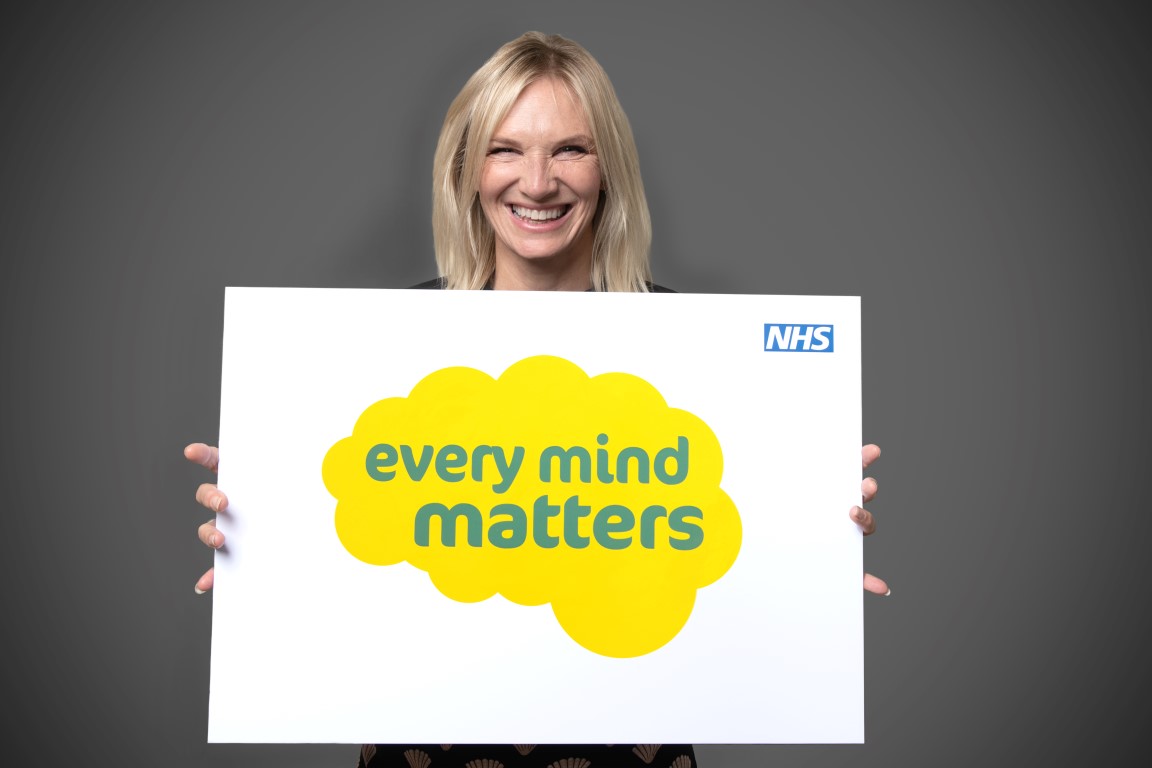
However, at the same time three in five (60%) of those asked say they feel hopeful about the future. Many adults (75%) reported that they are planning to take or have taken steps to look after their mental wellbeing, with exercising regularly (32%) eating well (29%) and talking more to family and friends (28%) being the main actions. To support people during this time, PHE has launched a nationwide Better Health - Every Mind Matters campaign to support people to take action to look after their mental health and wellbeing and help support others such as family and friends.

The campaign encourages people to get a free NHS-approved Mind Plan from the Every Mind Matters website. By answering five simple questions, adults will get a personalised action plan with practical tips to help them deal with stress and anxiety, boost their mood, sleep better and feel more in control. Over 2.6 million Mind Plans have been created since it launched in October 2019.

The Every Mind Matters COVID-19 hub also includes practical tips and support on how adults can deal with uncertainty, how to cope with money and job worries and how to look after both their own and their family’s mental wellbeing while staying at home. The campaign is supported by a coalition of leading mental health charities, including Mind, Samaritans, Young Minds and Rethink.

Dr Lola Abudu, Director for Health and Wellbeing at PHE in the West Midlands, said: “The pandemic has effected everyone in the region and across the country, with each person and every family having their own particular challenges. It’s not surprising that many people are now experiencing poorer mental wellbeing. Adults and our children and young people have all been affected, and we must all keep ourselves and each other strong in the weeks and months ahead.

“Stress, anxiety, low mood and sleep problems are all common mental health problems we encounter at the best of times, but now we are all under more pressure than ever. It is now even more important than ever to look after our mental health. The good news is that our Every Mind Matters COVID resources have lots of excellent practical tips and advice, and I’d encourage you to get a free NHS Mind Plan, which will give you simple steps to help you navigate these challenging times.” 

Minister for Mental Health, Nadine Dorries, said: “It is understandable that many of us will be feeling fed up, worried and anxious about the weeks ahead. For most, these feelings will subside as we draw on our own resilience, adapt to new circumstances and take comfort from the hope of better days ahead. However, there are simple steps we can all be taking to improve our mental wellbeing.

“Every Mind Matters mental health resources include tailored advice, as well as practical tips on sleep and self-care. It enables you to create your own ‘Mind Plan’ by answering 5 simple questions to receive tips and practical advice tailored to you. Whoever you are and whatever your situation, you are not alone and if you are struggling, there is support out there, so I urge you to reach out and ask for help.”

Dr Max Pemberton, who is supporting the campaign, comments: “With all the changes going on in our lives, it can create a stressful time which will affect us all to some extent - but there are ways we can manage this uncertainty; reducing stress and helping us to cope better. Better Health - Every Mind Matters is there to support us and can equip us with the tips and advice to improve our mental wellbeing especially while we’re at home.

“Advice including reframing your thoughts, focusing on the short term and finding a new rhythm, in the form of a new routine, is a powerful way to deal with uncertainty. You must remember that throughout all this, you are not alone – speak to your family and friends and we can continue to stay in good mental wellbeing throughout this lockdown.”

The research also revealed differences in the negative mental health impacts the pandemic is having on younger people. Those aged 18-34 are more likely to report that COVID-19 has caused them more stress (51%) and made them feel more lonely (43%). To support this age group, the campaign has sought the support of celebrities including footballer Wayne Bridge, Bridgerton actress Phoebe Dynevor, presenter Vick Hope and Celebs Go Dating receptionist Tom Read Wilson. The supporters all recognise the importance of helping people improve their mental wellbeing during these uncertain times and have spoken openly about their own personal experiences of mental health and the steps they are taking to look after their own wellbeing.

Better Health - Every Mind Matters also offers information and videos to help young people look after their own mental health and provides dedicated support to help parents and guardians look after the mental wellbeing of the children and young people who they care for. For those who are struggling with anxiety or depression, NHS talking therapies are here to help.

NHS mental health services have been open throughout the pandemic and continue to stay open during this lockdown. Speak to your GP for a referral, or you can self-refer via nhs.uk/talk. NHS mental health staff can provide care via phone or online from the comfort of your home. Face to face appointments can also be arranged in many areas.

These services are a free and confidential way to get effective help.

Scientists at the Alderley Park Lighthouse Lab in Cheshire have revealed the speed and scale at which the new variant of the COVID virus is spreading through communities across the country.

The Lighthouse, operated by Medicines Discovery Catapult (MDC) and launched last April, plays a key role in the UK Government’s national COVID testing programme. It can process more than 50,000 samples a day and has recently completed its 6 millionth test. Its scientists have identified the new COVID variant in the lab’s PCR test and have been able to use this new science to track the spread of the new COVID variant across England and Wales.  

The Thermo Fisher PCR test, used at many of the Lighthouse Lab sites, measures 3 genetic markers of SARS-CoV-2.  Lighthouse scientists have shown that the new variant exhibits ‘S-gene dropout’, whereby one of the markers - the S-gene - fails to amplify, but the other two genetic markers (ORF1ab and N) are found, confirming a positive COVID result. Working with ThermoFisher, the Wellcome Sanger Institute and PHE teams, the Lighthouse Lab network first noted data trends in November. 

The Lighthouse data published today shows the rise and geographical distribution of these S-gene target dropout cases from the 1st to the 21st of December 2020. The data shows rapidly increasing numbers of cases of the new variant across London, East-South East, parts of the North West, South West regions and West Midlands. Areas with the highest incidence in the study correlate with areas now reporting high NHS load and hospitalisation. This dramatic timeline view validates the national level of concern, concurrent with the imposition of the recent lockdown. Ongoing vigilance of the data may also indicate regions that in future will see high infection and hospitalisation rates. 

Professor Chris Molloy, CEO of MDC and founding director of the Lighthouse Lab network believes it demonstrates the quality of the science that underpins what is the largest diagnostics project in UK history. He said: “Today’s high-quality data from the MDC Lighthouse team shows the excellence of its science at a national scale. The Lighthouses are high-powered beacons into the darkness of this disease, combining industrial scientific rigour and close coordination with NHS and PHE in the service of the nation.” 


Dr Mark Wigglesworth, Site Director at the Alderley Park Lighthouse Lab and senior author of the report, comments: “Although the speed of the spread is shocking, we’re working really closely with the government to share our scientific discoveries and advancements, which in-turn informs decision making across the devolved nations, so that we can be in the best position to beat the virus. While a new national lockdown is not what anyone would have wanted, our scientists’ work in discovering the spread of the new variant will be pivotal in informing government policy, protecting the NHS and saving lives.” 

A range of mental health support is on offer for anyone in Sandwell who is struggling this month, with the council joining efforts to ‘turn Blue Monday green’ tomorrow. The third Monday in January is claimed to be the most depressing day of the year due to the weather, dark nights and post-Christmas money worries. At a time when people may also be feeling low due to the Covid-19 pandemic and third national lockdown, Sandwell residents are being reassured that they are not alone and that support is available.

Green, which is the international colour for mental health awareness, is often seen as the colour of optimism, new beginnings and hope. The council will be sharing information and advice on mental health services. It will also join numerous other organisations and show solidarity by lighting up Sandwell Council House green tomorrow (18 January). People and organisations can show their support to ‘turn Blue Monday green’ by wearing green clothing or a green ribbon and sharing supportive mental health messages on social media.

Despite the pandemic and the Stay at Home rules, people can also host virtual coffee mornings to check in on family, friends and colleagues and can send messages of hope by displaying a picture of a green ribbon in their windows. If people are feeling worried, lonely or anxious, or know someone who is struggling, they do not need to struggle with these feelings alone.

Services available for support include:

·         Black Country Mental Health Helpline – 0800 008 6516

·         The helpline is available 24 hours a day, seven days a week run by specialist mental health staff who will provide advice and support.

·         For under 16s, there’s a great online mental wellbeing community at www.kooth.com

·         For advice on how to manage anxiety and stress, search “Every Mind Matters” online.

·         If you are feeling suicidal, Samaritans are also available 24/7 – call 116 123 or visit: www.samaritans.org to speak with a counsellor today.

Councillor Farut Shaeen, the Council’s cabinet member for Living Healthy Lives, said: “It has been such a difficult time lately and I know many people are feeling anxious. No one should feel alone – there are many advice services and resources, including help that’s available 24 hours a day, seven days a week.”

Sandwell Council Deputy Leader, Councillor Maria Crompton, added: “Maintaining good mental health throughout life is one of our key priorities. With another national lockdown, we are all feeling the pressure and challenges that come with the Covid-19 pandemic, and some people will be particularly affected, especially at this time of year. So now, more than ever – it’s about staying connected in a safe way and showing we care, giving someone a phone call or dropping them a message and sharing information about services that can help if they’re struggling.”