Colors: Purple Color

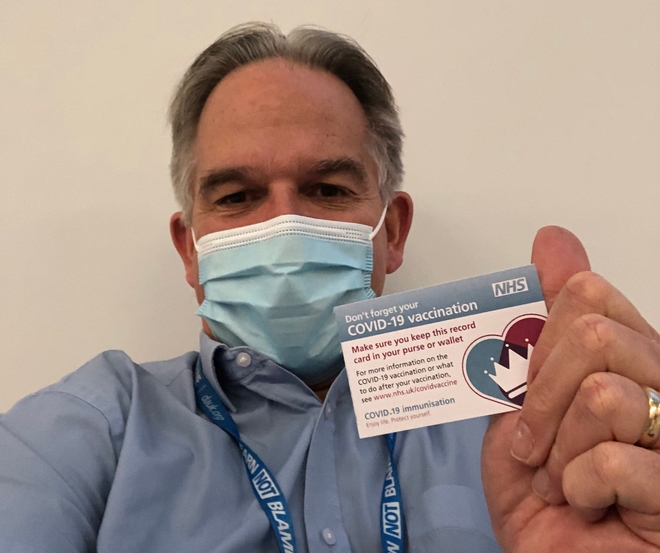
The Vatican has confirmed that Pope Francis has received the first shot of the coronavirus vaccine. The pontiff has advocated that everyone should get the vaccine, calling it an “ethical option” performed not only for one’s own health but for the “lives of others.” The Vatican has beefed up coronavirus restrictions amid a spike in cases in Italy.

The 84-year-old pope, who is missing part of one lung since a surgery in his 20s, has been saying the traditional Angelus blessing from a library in the Apostolic Palace, and not a window overlooking St Peter’s, in a bid to prevent gatherings. The Vatican launched its vaccination program before administering the Pfizer vaccine.

Vatican City has had at least 27 confirmed cases of the coronavirus, including a cluster among the Swiss Guards last fall. Having constantly supported the importance of receiving the vaccine The Pope has been calling for an equitable distribution of the jab.

The Vatican said that it was ''morally acceptable'' for Roman Catholics to receive Covid-19 vaccines based on research that used fetal tissue from abortions. A note from the Congregation for the Doctrine of the Faith, the Vatican's watchdog office for doctrinal orthodoxy, said the use of such vaccines was permitted as long as there were no alternatives.

The doctrine office noted that bishops, Catholic groups, and experts have offered “diverse and sometimes conflicting pronouncements” on the matter.

Both the Pfizer Inc and Moderna Inc vaccines have some connection to cell lines that originated with tissue from abortions in the last century, according to the US Conference of Catholic Bishops (USCCB), which issued a separate note to American Catholics. The Vatican note said the granting of moral legitimacy was related to the principle "differing degrees of responsibility of cooperation in evil."

This meant that because the pandemic is such grave danger, such vaccines "can be used in good conscience with the certain knowledge that (it) does not constitute formal cooperation with the abortion from which the cells used in the production of the vaccines derive," the note said.

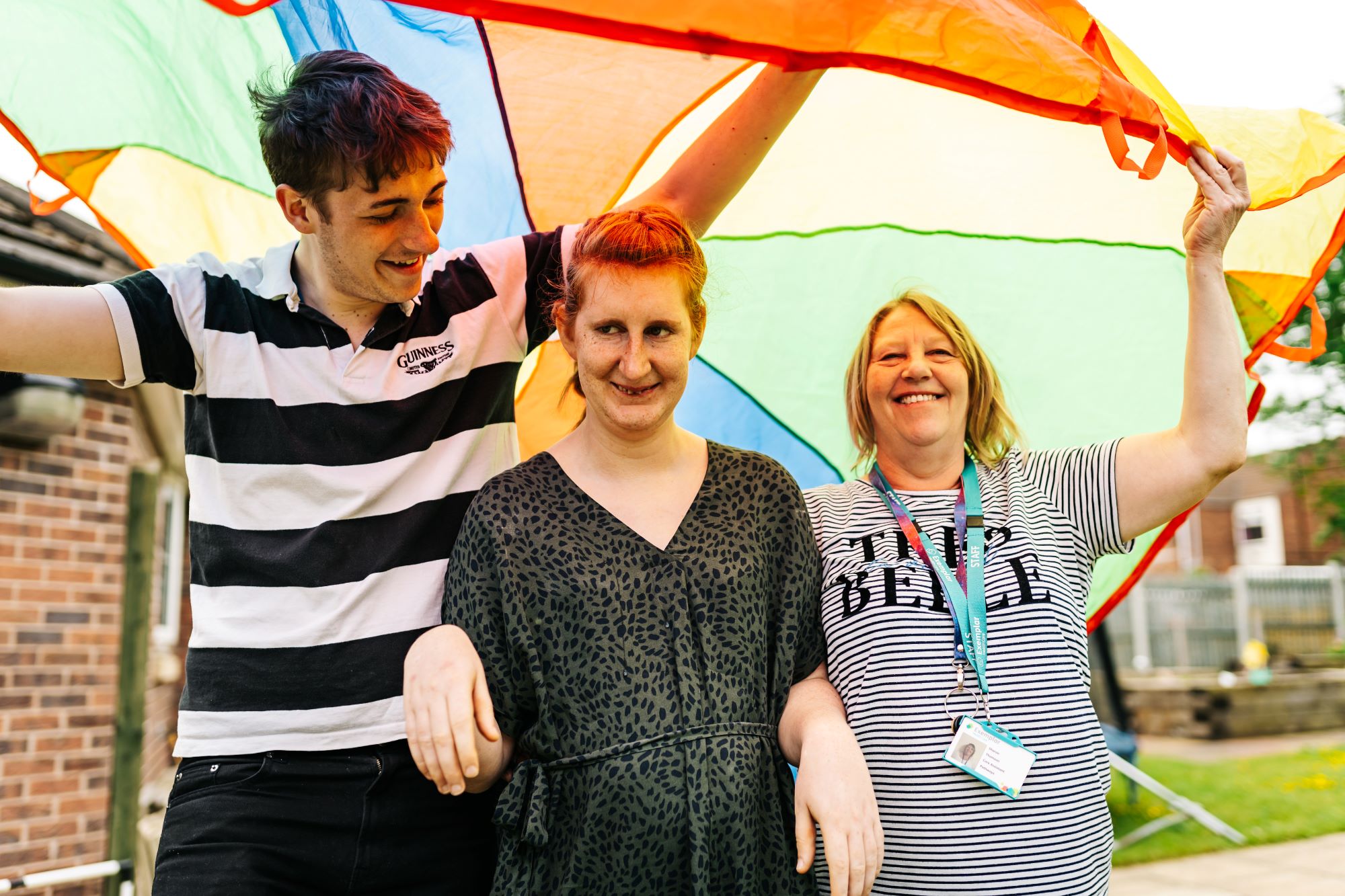
Scotia Heights, an Exemplar Health Care complex needs care home in Stoke-on-Trent, has achieved a ‘Good’ rating from the Care Quality Commission (CQC). The CQC rated Scotia Heights as ‘Good’ overall for being responsive, caring effectively - with inspectors also assuring that the service was safe. The report published on the 15th December, praised the care home’s efforts for conducting a staff recruitment drive and training as well as  working tirelessly to keep service users safe and well during these unprecedented times.

CQC inspectors said that the service was consistently well managed with positive leadership and had a culture which promoted high-quality, person-centred care. Sandra Rhodes, Home Manager at Scotia Heights, said: “We are beyond proud of our home and team based at Scotia Heights for being recognised by the CQC as “Good”. The home has seen massive improvements over the past 8 months and continues to improve.

“This care home, without a doubt, goes above and beyond to make every day better for the residents. The whole team are an inspiration and deserve the recognition they have received. They’re an absolute credit to our Exemplar Health Care family.”

Scotia Heights has six 10-bed units, which specialise in supporting adults with complex physical disabilities and mental health needs. It is currently recruiting for a variety of roles, and more information on the roles available can be found on the Exemplar Health Care website

Exemplar Health Care has 32 care homes across Yorkshire, the Midlands, the North West and North East which support adults living with complex needs.

The call-line is part of a suite of early intervention methods, which also includes a Live Web Chat instant messenger service and an email address operated by trained staff to address mental health concerns. The trio of services comes at a critical point for NHS mental health services: since the start of the pandemic, there has been a sharp surge in the number of people reporting mental health issues, and with the third national lockdown being announced this week, this is only set to rise further. The latest studies predict that up to 10 million people in England will need either new or additional mental health support as a direct consequence of the Covid-19 crisis, pushing the already strained services to a critical point.

Speaking about the new initiative, Sean O’Rourke, mental health nurse and manager at NHS Birmingham and Solihull CCG commented: “This new 24-hour phone-line, alongside the LiveChat and email service, are so desperately needed, and so much hard work has gone on behind the scenes to ensure that we can offer an optimised, efficient, and simple service for those who need it in our region.

“The nation’s mental health is at an all-time low, with economic, health and social uncertainty and insecurity being acutely felt by so many. Therefore, we know that it is more important than ever that people have the ability to seek and receive help when they need it; getting timely targeted support before their mental health deteriorates further.”

The phone-line is accessible to anyone who is living in Birmingham and Solihull. Whether they are dealing with anxiety and worry; experiencing burn-out or stress; or simply feeling a little down: the phone-line provides all with a safe space to talk to a therapist, as well as giving referral access to immediate counselling support if required. Added to this, the LiveChat – which is open from 10am-9pm – delivers the same service, meaning those who are nervous about picking up the phone can still receive help in real-time from trained staff. What’s more, it offers a translation service, meaning that those seeking assistance can do so in whatever language suits them best.

Helen Wadley, the CEO of Birmingham Mind, added: “The phone-line, LiveChat, and email services are available to all in the region, and we cannot stress enough that they are there to be used. Too often, we’re seeing people reach out for help far too late, and – like physical health – we know that the earlier we detect a problem, the quicker and easier it is to resolve”.

CEO at Living Well UK, Ben Howells, concluded: “Our expert staff and therapists are on hand around the clock, so pick up the phone and give us a call. If you’re not sure what you need, if you feel like it’s all getting too much, or if you simply can’t do it alone, it’s okay – we’re here to help you.”

New YouGov research sponsored by Fibre One, the indulgent 90 calorie treat, has revealed that adults in the West Midlands would like fewer possessions, to spend less time worrying and prefer to spend time on traditional hobbies than using screens. In a new poll of 164 adults in the West Midlands, the research revealed that after a difficult 2020 for all, nearly half of (47%) would like to spend less time worrying. Across Britain, a concerning 61% of young people would like to spend less time worrying (18-24 year olds). Over aquarter (27%) would like to spend less time working, while more than one in ten (15%) would like less things in their homes.

Nearly a quarter of the working population is exclusively working from home at present, blurring the line between home and work. The research revealed that on an average workday, over a third of adults in the West Midlands (37%) take less than an hour of time completely for themselves, including one in ten who take no time at all (10%). The most time poor generation are Gen X(2), with half (50%) taking less than an hour of time for themselves.

If they had a spare 30 minutes, respondents were keener to read a book (36%) or enjoy a hobby (42%), than watch TV (28%) or go on their phone (20%). In fact, they were more likely to use the half hour to take a nap (21%) rather than pick up their mobile. To help redress the balance, Fibre One has launched the ‘Take30 Challenge’, to encourage vital self-care in 2021. The initiative has been created to mark Fibre One Chocolate Fudge Brownies’ new recipe, with 30% less sugar but the same great taste.

Since the start of the first lockdown, over a third of respondents (37%) admitted to consuming more added sugar. A similar amount of people (32%) say that they would like to eat less sugar in the future.

Adrienne Burke, Marketing Manager, said: “The results are clear – we all need a break. From work, from screens and from the relentless challenges we face as the pandemic continues. We have launched the Take30 Challenge to mark the 30% sugar reduction in our Fibre One Chocolate Fudge Brownies, as we believe it is the perfect tool to take time for you. Whether you can take a 30-hour screen detox or simply dive into a good read for 30 minutes, we all need the mental break to boost our wellbeing.”

With the UK entering its third lockdown this week, the question many of the population are asking is ‘what more can we do?’ With the one year lockdown anniversary fast approaching, are we really at a loss how to slow the spread?

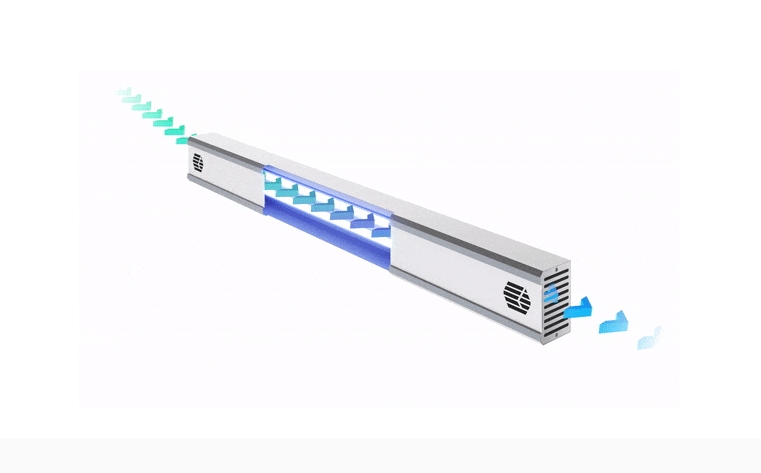
A virus with airborne transmission brings an abundance of complexities to slow the spread. How can we fight something that we can see in the air? Enter LED Direct, a small lighting company based in Sheffield. They are equipping organisations in the UK with UVC products that sanitise the air and surfaces in a room, killing COVID 19 along with a multitude of microorganisms.

In tests carried out the National Emerging Infectious Diseases Laboratories (NEIDL), UV-C light was shown to reduce coronavirus by 99% in six seconds. Six Seconds. 

UVC light cannot be on whilst people are in the room, which is why these units can be app controlled. They even come with a sensor, which turns the unit off if a person accidentally walks in whilst cleaning is in process. LED Direct believes that this technology can help just businesses, but people at high risk at home. The units are surprisingly affordable, easy to use and store.  It's all about awareness. They have the science to back up their claims, and are changing how we think about infection control. 

Director, Dan Blair had the following to say: “Our units are being used for infection control all over the UK, from Premiership football clubs to care homes. Our Purelight Flow can be used while people are in the room, safely sanitizing the air around 20 times a day. We want to lead the charge in slowing the spread of COVID-19, as well as other microorganisms that damage health.

“As long as you have mains power, these units can go anywhere. They come with a two year warranty, and can be easily wall mounted. We just want more people to be aware just how effective these units can be. UVC technology is the future of infection control.” 

The UVC machines can be on a portable stand or wall mounted, deeming them suitable for public transport, schools, hospitals, offices, homes and restaurants. Anywhere people might be. The Purelight Hybrid offers both air and light sanitisation, which is currently in use in businesses in the UK.

A hospital consultant has said that people needed to "grow up" and take coronavirus seriously after footage shared on social media showed supposed empty hospitals. Dr David Nicholl, who works in the West Midlands, said he was fed up of people "wandering round empty hospitals". Police are investigating after videos filmed in hospitals in Birmingham and Redditch, in Worcestershire were posted on social media.

Dr Nicholl said: "We are only going to get through this if we work together." It follows a similar incident in Colchester, Essex, where security officers removed Covid-19 "deniers" who were taking pictures of empty corridors.

A spokesperson for the Doctors Association UK and a former Liberal Democrat parliamentary candidate, he said: "We are extremely busy. It's important people treat this with the gravity they should, we must suppress the virus." He added it made him "pig sick" when he saw people together protesting that coronavirus was a hoax. It is grossly offensive to the now over 70,000 people - including the 600 of my colleagues - who have died because of this illness," he said.

Ch Supt Phil Dolby, of West Midlands Police, tweeted to say his "blood was boiling" when he had seen the videos. He contracted coronavirus in March and was in intensive care on a ventilator for 13 days. He was later discharged and began a phased return to work in June.

A West Midlands Police spokesman said the force had been contacted on January 1 by a member of the public at Birmingham's Queen Elizabeth Hospital concerned a man was "walking around inside a hospital without a mask and filming,” a spokesperson said. “We are liaising with colleagues in West Mercia Police and will consider the circumstances before deciding on the most appropriate course of action."

Ch Insp Ed Hancox, of the West Mercia force, said no arrests had been made but the investigation continued.

Millennium Point has announced that it will become the first Covid-19 mass vaccination centre to operate in the Midlands. The centre will be run by the NHS in Birmingham and Solihull as part of the region’s Covid-19 vaccination programme. It will be run on a strictly appointment only basis, with the NHS contacting people directly to book their appointments over the coming days.

Following the announcement Millennium Point’s CEO Abbie Vlahakis, CEO said: “We are very proud to be able to support NHS staff in delivering the Covid-19 vaccination programme in Birmingham. We are working closely with the NHS in Birmingham and Solihull, partners, staff and volunteers, to provide a crucial service to thousands of people across the region.

“It’s important that we’re clear with the public that this centre will be operating by appointment only, so they should not attend unless they have already been directly contacted by the NHS and have an appointment booked. We would like to thank everyone in advance for supporting us and the NHS to ensure that the centre can operate as efficiently as possible.

“Covid-19 has had a devastating impact on lives and livelihoods in Birmingham and the opening of this mass vaccination centre represents a vital next step in the region’s recovery from the pandemic. We are delighted that Millennium Point can play its part in making this happen.”

As part of its support for the vaccine centre, Birmingham City Council has gifted use of the multi-storey car park based on Jennens Road, to enable NHS patients attending their vaccination appointments to park free of charge. Millennium Point is also easily accessible on foot from New Street, Moor Street and Snow Hill Stations, is well served by local bus routes and is a 10 minute walk from the city centre.

As well as being a landmark building and events business, Millennium Point is an award winning not-for-profit Charitable Trust, with all profits from its activities as an events, conference and exhibition space being reinvested to support science, technology, engineering and maths (STEM) related projects, initiatives and organisations across the West Midlands.

Abbie continues: “The mission of our Charitable Trust is to advance science, technology, engineering and maths for the benefit of the public, so it’s a great honour to work in partnership with the NHS to deliver this ground-breaking vaccination programme. It’s thanks to incredible advances in research that we stand ready to roll-out the region’s biggest ever mass immunisation project and we’re committed to do all we can in support.”

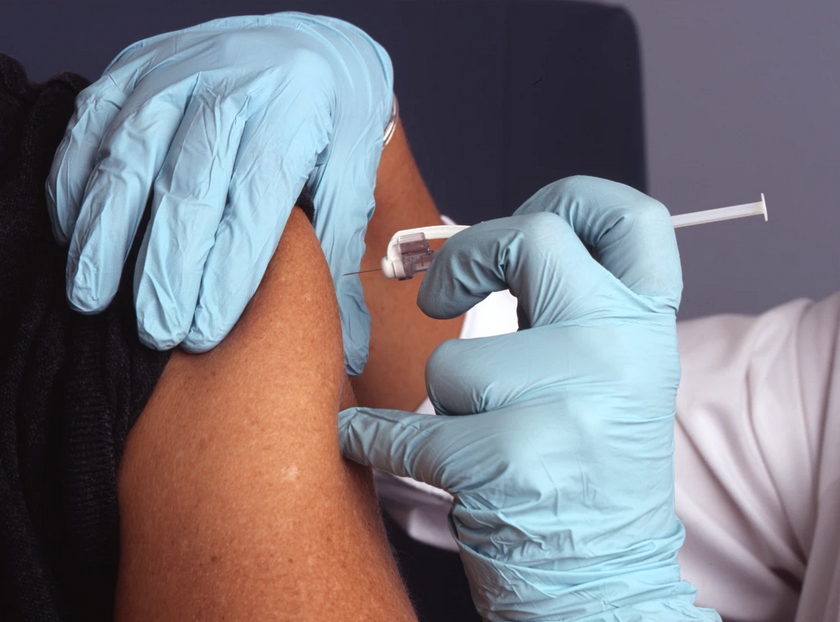
Some 1.3 million people in the UK have now received their first dose of a Covid vaccine, says the government. In England, that includes nearly a quarter of the most elderly, vulnerable patients.

Prime Minister Boris Johnson said it meant that within two to three weeks they should have a "significant degree of immunity" to the virus. He said there would be a ramping up to get more people immunised - up to 2 million a week. The ambition is to be able to vaccinate all the over-70s, the most clinically vulnerable and front-line health and care workers by mid-February. That will require around 13 million vaccinations.

He defended the UK's policy of immunising more people with one dose immediately - rather than holding some stock back to give people a second booster shot - in order to save "the most lives the fastest". US regulators have questioned the policy, saying it is premature without more trial evidence, but the UK's Medicines and Healthcare products Regulatory Agency says it is a pragmatic decision to protect more people. Both the Pfizer and Oxford-AstraZeneca vaccines require two doses to provide the best possible protection.

Initially, the strategy for the Pfizer vaccine was to offer people the second dose 21 days after their initial jab - full immunity starts seven days after the second dose. But when approval was announced for the Oxford-AstraZeneca vaccine on December 30, it was also announced that the policy would now change - the new priority would be to give as many people a first shot of either vaccine, rather than providing the required two doses in as short a time as possible. Everyone will still receive their second dose, but this will now be within 12 weeks of their first.

England's chief medical officer Professor Chris Whitty told the Downing Street press conference that extending the gap between the first and second jabs would mean the number of people vaccinated can be doubled over three months.

"If over that period there is more than 50% protection then you have actually won. More people will have been protected than would have been otherwise. Our quite strong view is that protection is likely to be lot more than 50%."

Asked whether the longer gap could lead to an increase risk of the virus mutating into a version that could escape the vaccine, he said it was a worry, but a small one.

Chief scientific adviser Sir Patrick Vallance said vaccines would probably need to be changed further down the line to continue to be a good match for the virus - but that this was relatively quick to do. One of the exciting things about the science of the RNA vaccines is that they are incredibly fast to make in response to new mutations, he said.

India has formally approved the emergency use of two coronavirus vaccines as it prepares for one of the world's biggest inoculation drives. The drugs regulatory authority gave the green light to the jabs developed by AstraZeneca with Oxford University and by local firm Bharat Biotech.

Prime Minister Narendra Modi called it "a decisive turning point". India plans to inoculate some 300 million people on a priority list this year. It has recorded the second-highest number of infections in the world, with more than 10.3 million confirmed cases to date. Nearly 150,000 people have died. India held nationwide drills to prepare more than 90,000 health care workers to administer vaccines across the country, which has a population of 1.3 billion people.

The Drugs Controller General of India said both manufacturers had submitted data showing their vaccines were safe to use. However, opposition politicians and some doctors have criticised a lack of transparency in the approval process. Dr Swapneil Parikh, an infectious diseases researcher based in Mumbai, said that doctors were in a difficult position.

"I understand there is a need to go through the process quickly, remove regulatory hurdles," he said. "However... governments and regulators have a duty to be transparent about the data they have reviewed and the process involved in making the decision to authorise a vaccine, because if they don't do this, it can affect the public's faith in the process." The Oxford/AstraZeneca vaccine is being manufactured locally by the Serum Institute of India, the world's largest vaccine manufacturer. It says it is producing more than 50 million doses a month.

In November Adar Poonawalla, the company's CEO, said that he aimed to ramp up production to 100 million doses a month after receiving regulatory approval. The jab, which is known as Covishield in India, is administered in two doses given between four and 12 weeks apart. It can be safely stored at temperatures of 2C to 8C, about the same as a domestic fridge, and can be delivered in existing health care settings such as doctors' surgeries. This makes it easier to distribute than some of the other vaccines. The jab developed by Pfizer/BioNTech - which is currently being administered in several countries - must be stored at -70c and can only be moved a limited number of times - a particular challenge in India, where summer temperatures can reach 50c.

The local vaccine, however, was approved despite the absence of data on how efficient it can be. It has yet to go through large-scale trials. The Drugs Controller General, V.G. Somani, said Bharat Biotech's Covaxin was "safe and provides a robust immune response".

Mr Somani said it had been approved "in public interest as an abundant precaution, in clinical trial mode, to have more options for vaccinations, especially in case of infection by mutant strains". India, which makes about 60% of vaccines globally, plans to immunise about 300 million people by July 2021. It will prioritise health care workers, the emergency services, and those who are clinically vulnerable because of age or pre-existing conditions.

India's existing vaccination programme already reaches about 55 million people a year, administering 390 million free jabs against a dozen diseases. It stocks and tracks the vaccines through a well-oiled electronic system. Pfizer, whose vaccine has already been approved for use in jurisdictions including the UK, the US and the EU, is also seeking emergency authorisation in India.

In all, some 30 vaccine candidates are being developed in India.

Birmingham City Council’s Director of Social Care has been named in the New Year’s Honours. Professor Graeme Betts has been awarded a CBE for services to adult social care.

Professor Graeme Betts has been awarded a CBE for services to adult social care.

Councillor Paulette Hamilton, Cabinet Member for Health and Social Care, said: “If someone deserves this recognition it is Graeme, he has transformed the way care and support is given to our most vulnerable and elderly in Birmingham.

His passion for transforming the service to ensure we provide the best quality care, in a way people want, is second to none. His leadership at the start of Covid ensured that people in the city were looked after, fed and cared for during an unprecedented time. I am very proud to work alongside him, and I am very happy that all his hard work has been acknowledged in this way.”

Before joining Birmingham City Council, Graeme had been a chief officer and chief executive in local government and the NHS for around 20 years. 

He was awarded an Honorary Professorship from the University of East London in June 2013 for outstanding contributions to the advancement of his profession through publications and the development of public policy and services.

Care homes in Wolverhampton are working hard to enable people to see their loved ones – and families are being urged to be patient while the necessary measures are put in place to enable visits to happen safely. The government has produced updated guidance which it says will enable care homes to re-introduce visiting, as long as it can be done in a Covid-secure way. It says that care homes must balance the wellbeing benefits of visiting for residents with the Covid-19 transmission risk to social care staff and the people they look after.

Regular testing is already taking place for care home residents and staff. To enable visiting, prospective visitors must be free of symptoms of Covid-19 and take a rapid lateral flow test, which provides a result within the hour, when they arrive at the home. The visit will then be able to go ahead, with suitable personal protective equipment in place, unless the result is positive. For additional reassurance, the City of Wolverhampton Council is also urging people who are planning to visit a loved one to book themselves a PCR Covid-19 test at one of Wolverhampton's regular Covid-19 test sites, approximately four days before their scheduled visit. PCR tests can be booked by visiting: www.gov.uk/get-coronavirus-test or by calling 119.

PCR tests are primarily for individuals with symptoms, therefore in order to access this service ahead of a care home visit, people should choose the option which says: "My local council has asked me to get a test". Councillor Linda Leach, the City of Wolverhampton Council's Cabinet Member for Adult Services, said: “We are immensely grateful to our care homes who have worked relentlessly to protect our most vulnerable residents through these challenging times.

"Although the Government has announced that care homes can re-introduce visiting, the risk from Covid-19 remains, and care homes must balance that risk against the importance of visiting to residents and their families.

"So we need people to be patient as care homes wait until they have all the testing and PPE equipment they require, and are able to put all the measures in place that are needed to ensure visiting can take place safely.

“There is a lot to work through, including staff training and setting up booking and logging systems and this all takes time. The council will support homes and visitors through the process.

"Visitors will be required to have a rapid Covid-19 test when they arrive for their visit, but we're going one step further and encouraging anyone who is planning a visit to get an additional PCR test a few days beforehand. This will provide added reassurance as to whether they have the virus or not, and therefore whether the visit can go ahead.

“I know how hard this has been for both residents and relatives – but I also know that everyone agrees that the health and safety of residents and care staff must be our very top priority." Care homes will contact families when they can re-open to visitors.

Latest data shows there were 270.34 cases of Covid-19 per 100,000 people in Wolverhampton over the seven days to 18 December. That means 711 people in the city tested positive for the virus in that seven day period – though the true number of new cases will likely be considerably higher.

Symptoms of Covid-19 include a fever, a new, continuous cough and loss or change to a person’s sense of taste and smell.

Health officials are saying that England's increasingly high Covid infection level is a growing concern as the NHS is struggling to cope with rising patient numbers after a record 41,385 Covid cases and 357 deaths were reported in the UK.

NHS England said the number of people being treated for the virus in hospital is now 20,426, which is higher than the previous peak of about 19,000 in April. Health officials in Wales and Scotland have also said they are at risk of becoming overwhelmed.

The figure for new cases is the highest daily number reported by the UK government, and the first time the daily total has surpassed 40,000. It is thought the infection rate was much higher during the first peak in April, but testing capacity was too limited to detect the true number. Some data over the Christmas period is incomplete, as a result of certain services being paused with officials not denying there had been a significant increase in infections.

Dr Yvonne Doyle, medical director at Public Health England, said: "This very high level of infection is of growing concern at a time when our hospitals are at their most vulnerable, with new admissions rising in many regions," she said. "Despite unprecedented levels of infection, there is hope on the horizon."  Dr Doyle urged members of the public to "continue to play our part in stopping the spread of the virus" as the Pfizer/BioNTech coronavirus vaccine is rolled out.

Hospitals in Wales, Scotland and the south of England have reported rising pressure on their services as the number of Covid patients increases, with Queen Elizabeth Hospital in Woolwich, south-east London, saying that an internal incident over its high number of Covid-positive patients had been ongoing.

"All our patients have received the treatment they need, including intensive care treatment for Covid-19 and oxygen therapy as required. We are continuing to monitor the situation to ensure that this remains the case," a spokesperson for Lewisham and Greenwich NHS Trust said.

Even in a normal year, Christmas can be difficult, with the expense of presents and entertaining visiting family and friends, along with possible family tensions. However, this year everyone has the added pressure of living through the pandemic, and all the restrictions it brings. So, this year, more than ever, it is vital we all take care of our mental health.

Dr Lola Abudu, PHE Director for Health and Wellbeing in the West Midlands, said: “One of the wider impacts of COVID-19 has been its effect on our mental health – with restrictions to personal freedoms, including contact with loved ones, causing much anxiety and upset. Due to the new variant of the coronavirus, which appears to be much more contagious, the time we had thought to celebrate with loved ones has had to be cut – to reduce this increased risk. We know this is disappointing, frustrating and upsetting, and it may mean plans have to be changed at short notice, while some may unexpectedly have to spend Christmas alone or in isolation. It is therefore more important than any other Christmas to make sure we take care of our mental health, and to look out for those around us.

“If you can no longer see loved ones in person, you can still spend time online or on the phone, and this is especially important for people who may find themselves having to isolate. People often worry about trying to give their family and guests the ‘perfect Christmas’ – but this year the focus is on staying safe and well, and in the true spirit of Christmas, looking out for those we love and our wider communities.

“If you’re feeling under pressure, low or upset, don’t suffer in silence. Sharing your feelings with loved ones can really help, and they may be feeling the same, so you can talk things through and help each other. Making sure that people spending time on their own know you are thinking about them can be a real tonic, so just give them a call or send them a message to help them feel less isolated. If you need more support, you can search online for Every Mind Matters – which gives tips and advice on dealing with the most common mental health issues; stress, anxiety, low mood and sleep problems. The resource includes advice for children and young people, and for parents trying to support them. If you don’t feel able to cope, you can make a free call to the Samaritans 24/7 on 116 123.”


India's first female comic superhero Priya, a gang-rape survivor who earlier campaigned against rape, acid attack and sex trafficking, is back to fight disinformation around the Covid-19 pandemic. In Priya's Mask, due to be launched on 2 December, the comic crusader joins hands with Jiya, the "Burka Avenger", a popular character from a Pakistani cartoon show, as the two go about trying to tackle the pandemic - and also the "infodemic", a major proliferation in fake news surrounding the coronavirus.

With more than 9.4 million infections and 137,000 deaths, India has the second highest caseload globally. A strict nationwide lockdown that was imposed on 21 March delayed the spread for a while, but infections grew rapidly - and continue to do so - since restrictions were relaxed. A major challenge in India's fight against Covid-19 has been the false and misleading information around the pandemic, which is often shared at lightning speed.

Since the first infections were reported earlier this year, millions of people with smartphones have received hundreds of messages each about supposed cures, lockdown rumours and conspiracy theories on Covid's origins. Claims that frequently sipping warm water, shunning meat and poultry, or taking homoeopathic medicine could prevent infection have regularly landed in people's inboxes.

Fear and carelessness have seen people flouting orders to wear masks in public places or maintain social distancing. In some places, frontline workers, including doctors and nurses were attacked, even barred from their own homes by neighbours fearful of catching the virus.

The creator of the Priya comic Ram Devineni series, said: "Through this campaign, we wanted to challenge misinformation, dispel fear, and support the health workers and others at the forefront of the fight against the virus."

He launched the "modern-day feminist superhero" in December 2014, two years after the brutal gang rape of a young woman on a bus in Delhi, to focus attention on the problem of gender and sexual violence in India. The series has subsequently been named a "gender equality champion" by UN Women. In Priya's Mask, she arrives riding the flying tigress Sahas (Hindi for courage), to battle "an invisible monster - a deadly virus unlike any we've seen before".

As she flies into the city, she sees masses fleeing on foot - a reminder of the early days of the lockdown in India when tens of thousands of poor migrant workers walked for days to return home while factories, offices and transport shut down. "There's a quiet sense of fear. Everyone is hiding in their homes. It seems as though time has stopped," she observes.

Delhi-based writer and theatre actress Shubhra Prakash, who wrote the script of Priya's Mask, says she incorporated her personal experiences into the story.

"During the early weeks of the lockdown, we were not allowed to leave home at all. So I spent a lot of time in my balcony. My access to the world was quite restricted. We were all isolated and it was difficult for everyone. So when you see Meena, a little girl who's one of the main characters in the story, standing alone in her balcony, daydreaming, that was also me.

"And when the lockdown began to ease and we could step out, a 'new normal' emerged. We had to wear masks and maintain social distancing," she says. In Priya's mask, Meena is invited to hop on to Sahas' back for a tour of the becalmed city.

They see deserted roads; Meena spots her favourite ice-cream parlour where no one is queuing up any more; she sees her friend who's as isolated as she is; and hears voices - at times irrational and fearful. At the hospital, she watches her mother, a nurse, heroically tending to Covid-19 patients.

"We wanted people to understand that these are extraordinary times. And we wanted to highlight the role of Covid heroes since we felt they were not being talked about much," Ms Prakash says. "There was a lot of stigma surrounding the illness and we were trying to say that people need to be open-minded. What is keeping the world moving during the pandemic? The sacrifices made by the frontline workers, who go to work to keep us safe."

In the comic, Priya also partners with Jiya, the Burka Avenger, who's fighting to protect her city Chutneyville against a villainous assault by Baba Kaboom, who plans to take it over by not wearing a mask and spreading the virus. But, in the process, he himself catches Covid and needs help from Priya and Jiya.

"The most important message it conveys is we have to look at the world with compassion and not give up on humanity. We can only conquer the virus if we work together," Ms Prakash says. Indrani Ray, co-producer of a two-minute animation film based on Priya's Mask (seen at the top of this story), says the pandemic has impacted everyone's life and although "our lockdowns are different, our experiences are the same".

Ms Ray, who lives in Mumbai, says her parents live in Kolkata and she has not been able to see them the entire year. "I'm afraid to visit, just in case I carry the infection and pass it on to them." Her colleague Tanvi Gandhi says her involvement in the project was in part due to personal loss. "I lost someone in my family to the virus, and it all happened so quickly. In a matter of four weeks, it was all over.

"That's when you realise it's not just a statistic, not a social media forward, it's something very tangible that is impacting all of us. It is as real as it can get." The animation is voiced by feminist icons in Bollywood and Hollywood, including Rosanna Arquette, Vidya Balan and Mrunal Thakur and 12-year-old Sairah Kabir. The comic, which targets young people and has augmented reality features, can be downloaded for free anywhere in the world. Mr Devineni, who lives in the US, says Priya's Mask would have relevance not just in India, but globally since the pandemic has impacted people across the world.

"New York, where I live, looked post-apocalyptic. And if you see images from European cities, many of them did too. Every time I stepped out, I could only see homeless people, it was surreal, the eeriest site I've ever seen." His father, a paediatrician who has practiced in South Jersey since 1975, had to stop working for the first time since he was in the vulnerable group for Covid-19.

"He's 80 and has health complications and we knew if he got it, he would have just died. In fact, two of his very close doctor friends - I had grown up calling them uncles - died from Covid. We watched their funerals on Zoom."

Mr Devineni says when the US embassy in Delhi got in touch with him in April, asking if he'd be interested in creating a new Priya comic to launch in December for the United Nation's 16 Days of Activism Against Gender-based Violence, "I wondered if we would be outdated by then".

"I knew the virus would still be there and the campaign would have some resonance. Also, 10 years from now, this artwork, created during the pandemic would be a historical document, a documentation of how people dealt with it at the emotional and visceral level," he says, adding, "but I think it's going to be much more than that."

For, almost a year since the pandemic began spreading, large parts of the world are still in the grip of the virus. In Delhi, and the US, numbers continue to explode as the global infections cross 62 million, with 1.5 million dead. And the World Health Organisation and governments in many parts of the words are still finding it a challenge to get people to wear masks or maintain social distancing. Last month, Delhi government raised the fine for not wearing masks in public from 500 rupees ($7.50; £5.00) to 2,000 rupees after repeated warnings fell on deaf ears.

And that, Mr Devineni says, means that Priya's Mask has more relevance than ever.

Transport for West Midlands (TfWM) has partnered with bus, train and tram operators to ensure the region keeps moving with a safe transport network over the festive season.

But there will be changes to services across the Christmas and New Year period so those, such as key workers, who still need to travel are being advised to check timetables and plan ahead.

Safety is a top priority for public transport operators and there is extensive cleaning and social distancing measures in place. Everyone should be wearing a face covering on board and at stations and stops unless you are exempt.

Anne Shaw, director of Network Resilience for TfWM said: “Although many of us will be at home, off school or off work, there are many, including our key and emergency workers, who still need to use public transport over the festive season.

“So we have worked with our bus and tram operators to ensure that there are services running every day except Christmas Day for those who need them.

“But we would ask people to check timetables, plan their journeys in advance and allow plenty of time as services will be reduced – especially on bank holidays.

“We have all the information on services at West Midlands Network.co.uk where you can keep up to date with any disruption and the latest rules on social distancing.

“And, unless exempt, remember to wear a face covering for your whole journey.”

The West Midlands remains under tier 3 restrictions. Travel to work, education and to do essential shopping is allowed and public transport will remain operating safely to support those who need it.

As usual there will be no public transport services running on Christmas Day and the railways will remain closed on Boxing Day.

The region’s largest bus operator National Express will be running 155 services with a Sunday timetable on Boxing Day, while Diamond Buses are running 19 services. This is thanks in part to a subsidy from TfWM. Some services will stop early at about 7pm.

West Midlands Metro will also be operating a Sunday timetable on Boxing Day.

Further restrictions are likely to be introduced in England to control the new variant of Covid-19, the UK's chief scientific adviser has said. Sir Patrick Vallance said measures could "need to be increased in some places, in due course, not reduced". London and large swathes of south-east England were placed in the highest tier four restrictions over the weekend.

Sir Patrick also predicted there would be spike in cases after an "inevitable period of mixing" over Christmas. It comes as more than 40 countries including France, Spain, India and Hong Kong have banned UK flights because of concerns about the spread of the variant.

Speaking at a Downing Street briefing, he said he believed the variant would help cases "spread more". Asked why tougher measures were not in place across the country following the introduction of the tier 4 level, Sir Patrick added: "The evidence on this virus is that it spreads easily. It's more transmissible. We absolutely need to make sure we have the right level of restrictions in place." But he said there was no reason to think the new variant is more dangerous than the existing strain.

"The transmission is increased. We can't say exactly by how much, but it is clearly substantially increased, so it is more transmissible. Which is why we see it growing so fast and spreading to so many areas."

The government scrapped plans to relax rules at Christmas in those areas subject to tier 4 rules. Some 17 million people in England and Wales affected are being told to stay at home, while non-essential shops and businesses have to close. But in other regions of England - in tiers 1 to 3 - Christmas mixing is being allowed on 25 December.

Sir Patrick said the variant of the virus had to be taken "incredibly seriously". He said: "It's really important to follow the rules carefully and make an assumption that you could be infectious.

"You could be the person spreading it to somebody else, and [you should] behave accordingly." He added: "The doubling time of this infection with a new variant is quite fast, it is more transmissible, it does require more action in order to keep it down and that's why tier 4 is important."